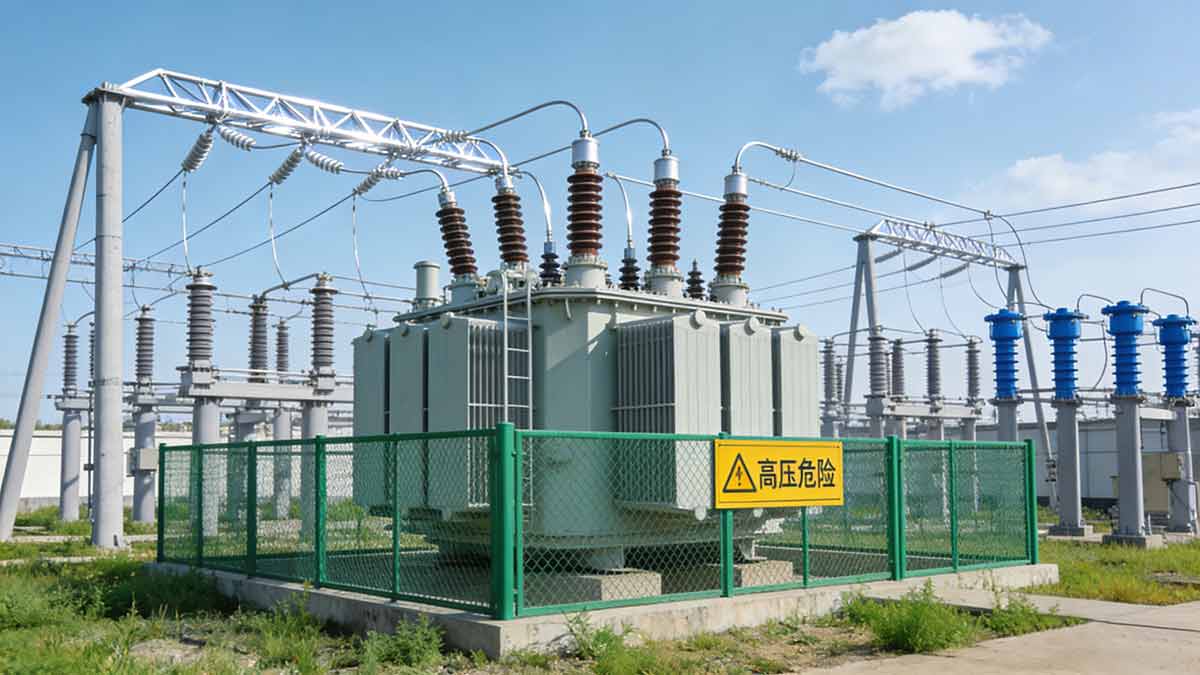
Which Type of Transformer is a Distribution Transformer

Electricity stands as the lifeblood of modern civilization, powering everything from the smart devices we rely on daily to the heavy-duty machinery that drives industrial progress. Without a reliable power distribution infrastructure, the seamless flow of electricity from power plants to homes, businesses, and factories would be nothing more than a pipe dream. At the heart of this critical infrastructure lies a component that often goes unnoticed by the end-users it serves: transformers. These electrical devices are the unsung heroes of power distribution, enabling the safe and efficient transmission of electricity across vast distances by adjusting voltage levels to match specific application requirements.

Among the diverse array of transformers available in the market, distribution transformers hold a position of unparalleled importance, serving as the final bridge between high-voltage transmission networks and the low-voltage systems that power our everyday lives. But to truly appreciate their value, it is essential to delve deeper into what distribution transformers are, how they operate, and how they differ from other transformer types that play roles in the broader power ecosystem.
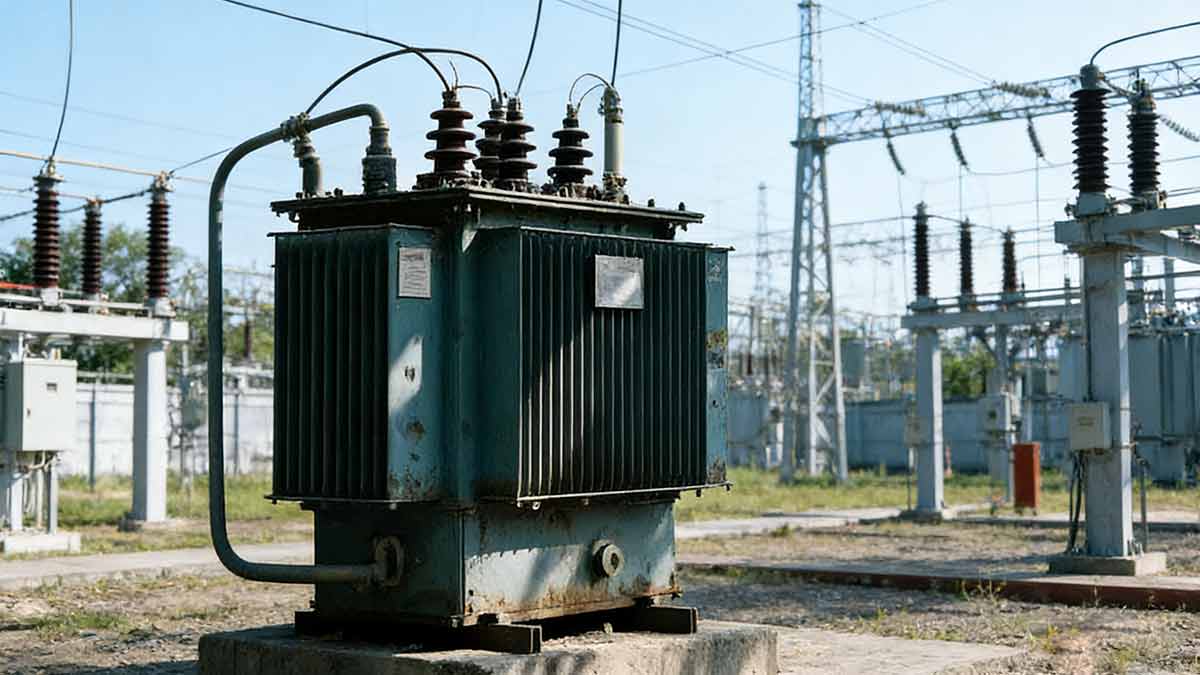
Power Transformer and distribution transformer 4

Core Functions of Distribution Transformers in Modern Power Distribution
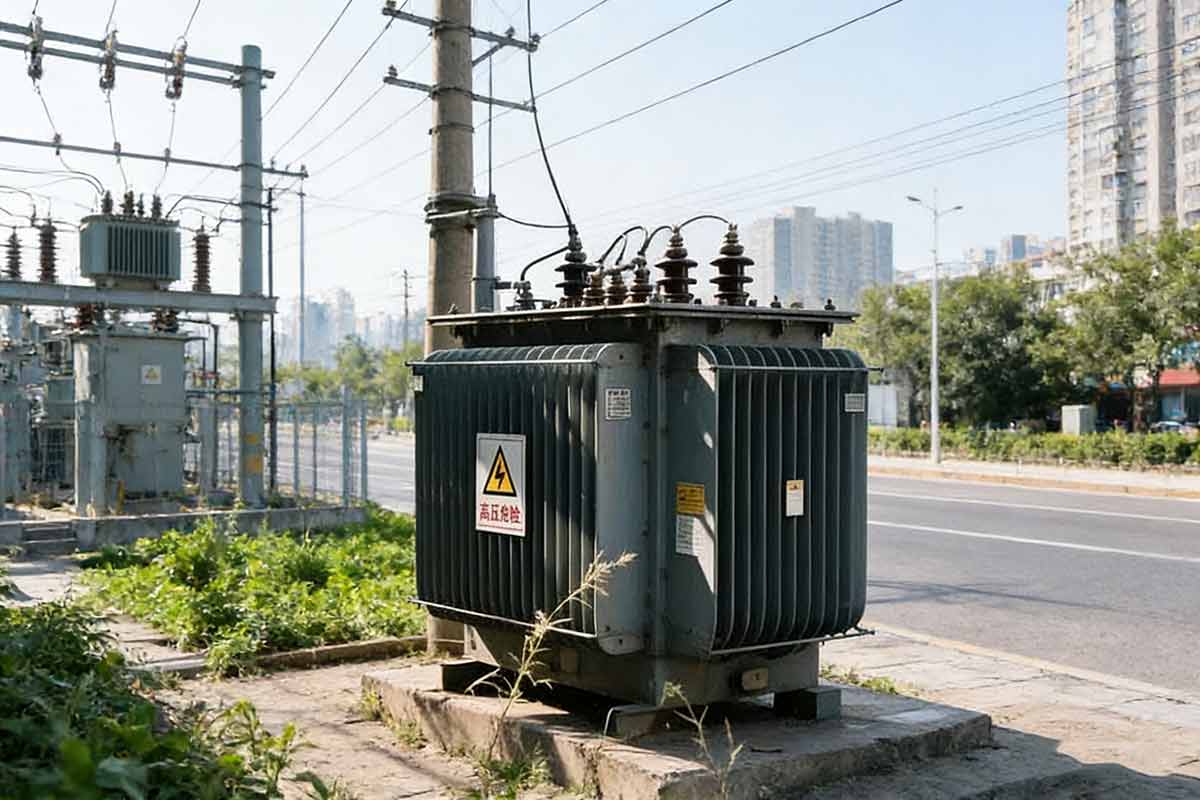
To understand the role of distribution transformers, it is first necessary to grasp the fundamentals of power transmission and distribution. Power plants generate electricity at relatively low voltage levels, typically ranging from 11kV to 30kV, depending on the type of generation technology used. However, transmitting electricity at these low voltages over long distances is highly inefficient, as a significant portion of the energy would be lost as heat due to the resistance of transmission lines. To mitigate this issue, power companies use transmission transformers to step up the voltage to ultra-high levels—often reaching 220kV, 500kV, or even higher—for long-haul transmission. This high-voltage electricity travels through an extensive network of overhead lines and underground cables to substations located near populated areas.
 
This is where distribution transformers come into play. Their primary function is to step down the high voltage from transmission substations to levels that are safe and suitable for end-user consumption. Unlike transmission transformers that operate at voltage levels exceeding 33kV, distribution transformers are designed to work at voltages below this threshold, with common ratings including 11kV, 22kV, and 33kV on the primary side, and 230V (single-phase) or 400V (three-phase) on the secondary side. This voltage reduction is not just a technical requirement; it is a critical safety measure that ensures electricity can be used in residential, commercial, and light industrial settings without posing a risk of electric shock or fire.
 
Another key function of distribution transformers is to ensure voltage stability for end-users. Fluctuations in voltage can damage sensitive electronic equipment, disrupt industrial processes, and cause inconvenience in homes. Distribution transformers are engineered to maintain a consistent output voltage even when there are variations in the input voltage from the transmission network or changes in the load demand from end-users. This stability is achieved through advanced voltage regulation mechanisms, which adjust the transformer’s winding configuration to compensate for voltage fluctuations.
Step Down Transformer 1
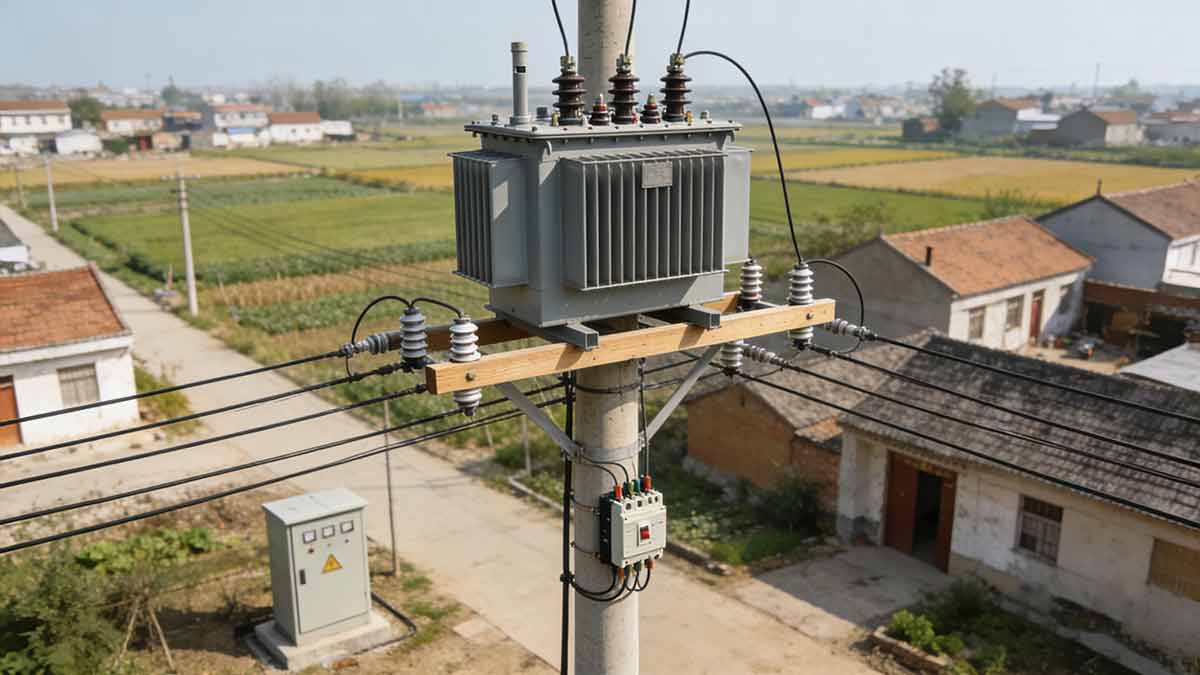
In terms of installation, distribution transformers are strategically placed close to the areas they serve to minimize energy loss during the final leg of power distribution. They can be installed in two main configurations: pole-mounted and ground-mounted. Pole-mounted transformers are typically used in residential areas and rural locations, where they are attached to utility poles to save space and reduce installation costs. Ground-mounted transformers, on the other hand, are larger in size and are installed in concrete enclosures or transformer vaults in urban areas, commercial districts, and industrial parks, where power demand is higher. Regardless of their installation method, distribution transformers are built to withstand harsh environmental conditions, including extreme temperatures, humidity, and exposure to dust and debris, ensuring reliable operation year-round.

Classification of Distribution Transformers: Single-Phase vs. Three-Phase Variants

Distribution transformers are not a one-size-fits-all solution; they are categorized into two main types based on their phase configuration: single-phase distribution transformers and three-phase distribution transformers. Each type is designed to meet the specific power demand requirements of different end-user segments, and understanding the differences between them is crucial for selecting the right transformer for a particular application.

Single-Phase Distribution Transformers: Tailored for Low-Demand Scenarios

Single-phase distribution transformers are the most common type of transformer used in residential areas, small rural communities, and light commercial settings such as small shops and offices. As the name suggests, these transformers operate on a single-phase power supply, which consists of one alternating current (AC) waveform. They feature a simple design with one primary winding and one secondary winding, which are wound around a common iron core. The primary winding is connected to the high-voltage input from the substation, while the secondary winding delivers the low-voltage output to end-users.
 
The capacity of single-phase distribution transformers typically ranges from 5kVA to 100kVA, making them ideal for applications where power demand is relatively low. They are used to power household appliances such as refrigerators, air conditioners, televisions, and lighting systems, as well as small commercial equipment like cash registers, printers, and small motors. One of the key advantages of single-phase transformers is their compact size and lightweight design, which makes them easy to install on utility poles and transport to remote locations. They are also more cost-effective than three-phase transformers for low-demand applications, making them a preferred choice for utility companies looking to minimize infrastructure costs in residential areas.
 
However, single-phase transformers have limitations when it comes to handling high power loads. They are not suitable for powering large industrial equipment such as motors, compressors, and manufacturing machinery, which require a higher power supply capacity. Additionally, single-phase power supply can experience voltage fluctuations more easily than three-phase power, which can affect the performance of sensitive electronic devices.

Three-Phase Distribution Transformers: Engineered for High-Power Applications
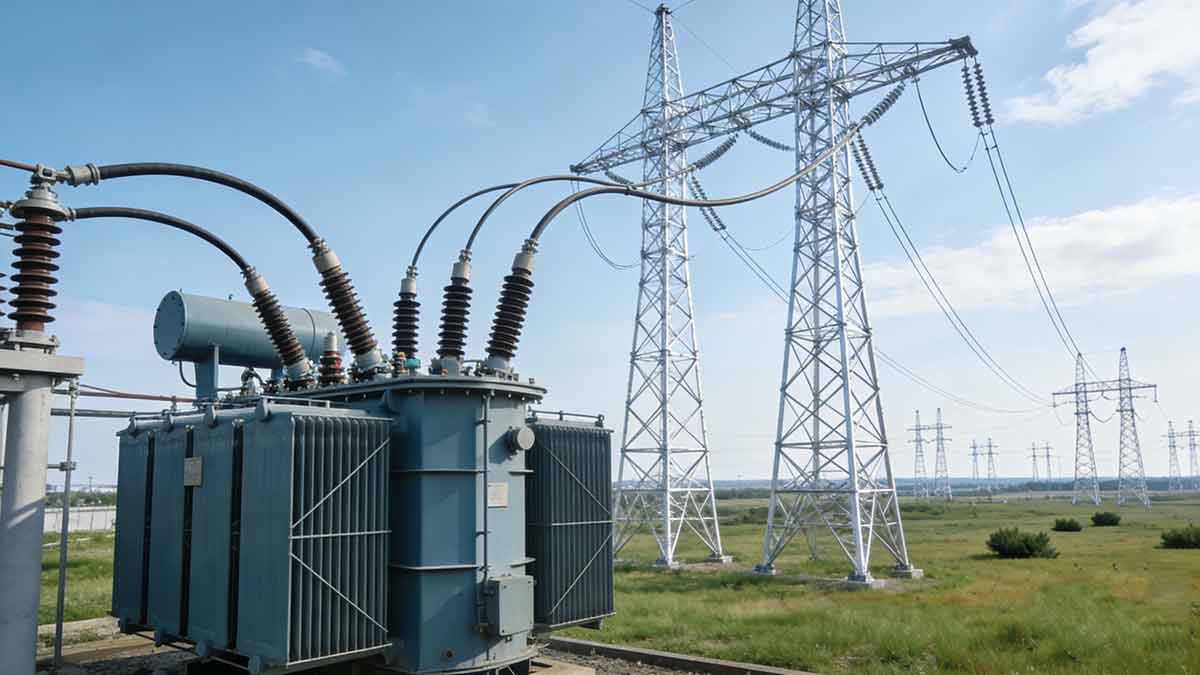
Three-phase distribution transformers are designed to meet the high power demand of commercial buildings, industrial facilities, and large-scale residential complexes. Unlike single-phase transformers, they operate on a three-phase power supply, which consists of three alternating current waveforms that are 120 degrees out of phase with each other. This configuration allows three-phase transformers to deliver a more stable and consistent power supply, making them ideal for applications where continuous and reliable power is essential.
Step-Up-Transformer-(6)
The design of three-phase distribution transformers is more complex than that of single-phase transformers. They feature three primary windings and three secondary windings, which are wound around a three-limb iron core. The primary windings are connected to the high-voltage input from the substation, while the secondary windings deliver the low-voltage output to end-users. The capacity of three-phase transformers ranges from 100kVA to 2000kVA or higher, depending on the specific application requirements.
 
One of the main advantages of three-phase transformers is their high efficiency. The three-phase power supply allows for a more balanced distribution of power, which reduces energy loss during transmission and distribution. This high efficiency translates to lower operational costs for utility companies and end-users alike. Additionally, three-phase transformers are more cost-effective than single-phase transformers when it comes to powering high-demand applications. A single three-phase transformer can replace multiple single-phase transformers, reducing installation and maintenance costs significantly.
 
Three-phase transformers are also more durable and reliable than single-phase transformers, making them suitable for use in harsh industrial environments. They are equipped with advanced cooling systems that prevent overheating even when operating at full load for extended periods. Furthermore, a three-phase power supply is less prone to voltage fluctuations, which ensures the smooth operation of industrial machinery and sensitive commercial equipment.

Comparative Analysis: Single-Phase vs. Three-Phase Distribution Transformers

To summarize the key differences between single-phase and three-phase distribution transformers, it is useful to compare them across several critical parameters:
 
  • Phase Configuration: Single-phase transformers use one primary and one secondary winding, while three-phase transformers use three primary and three secondary windings.
  • Power Capacity: Single-phase transformers have a lower capacity (5kVA–100kVA), while three-phase transformers have a higher capacity (100kVA–2000kVA+).
  • Application Scenarios: Single-phase transformers are used in residential areas and small commercial settings, while three-phase transformers are used in commercial buildings and industrial facilities.
  • Efficiency: Three-phase transformers are more efficient than single-phase transformers due to the balanced distribution of power.
  • Cost-Effectiveness: Single-phase transformers are more cost-effective for low-demand applications, while three-phase transformers are more cost-effective for high-demand applications.

Key Design Features That Define Distribution Transformer Excellence

Distribution transformers are engineered to deliver long-lasting, safe, and efficient performance, and this is achieved through a set of key design features that set them apart from other transformer types. These features are tailored to meet the unique requirements of power distribution, ensuring that transformers can operate under varying load conditions while maintaining the highest standards of safety and reliability.

Low-Load Operation Efficiency

One of the most distinct features of distribution transformers is their ability to operate efficiently under low-load conditions for extended periods. Unlike transmission transformers, which are typically operated at full load most of the time, distribution transformers often operate at loads ranging from 20% to 60% of their rated capacity, especially during off-peak hours when power demand is low. This is because power demand varies significantly throughout the day, peaking during morning and evening hours in residential areas, and during working hours in commercial and industrial areas.
Step-Up-Transformer-(9)
To address this challenge, distribution transformers are designed with low no-load loss and low load loss characteristics. No-load loss refers to the energy consumed by the transformer when it is connected to the power supply but not delivering any power to end-users, while load loss refers to the energy consumed when the transformer is operating under load. By minimizing these losses, distribution transformers can operate efficiently even when load levels are low, reducing energy waste and lowering operational costs for utility companies.

Comprehensive Safety Features

Safety is a top priority in the design of distribution transformers, and they are equipped with a range of safety features to prevent damage to the transformer and ensure the safety of end-users and maintenance personnel. Some of the key safety features include:
 
  • Overload Protection: Distribution transformers are equipped with overload protection devices that monitor the load current and disconnect the transformer from the power supply if the current exceeds the rated capacity. This prevents overheating and damage to the transformer’s windings and core.
  • Grounding Systems: A robust grounding system is essential to protect against electric shock and lightning strikes. Distribution transformers are grounded at multiple points to ensure that any fault current is safely directed to the ground, minimizing the risk of electric shock and fire.
  • Lightning Protection: Lightning strikes can cause voltage surges that damage transformers and other electrical equipment. Distribution transformers are equipped with surge arresters that absorb the energy from lightning strikes and prevent it from reaching the transformer’s windings.
  • Fire-Resistant Materials: Many modern distribution transformers use fire-resistant materials such as epoxy resin and non-flammable oils, which reduce the risk of fire in the event of a transformer failure.

Durable Construction for Long Lifespan

Distribution transformers are built to last, with a typical lifespan of 40 years or more. This long lifespan is achieved through the use of high-quality materials and durable construction techniques. The core of the transformer is made from high-grade silicon steel, which reduces magnetic losses and improves efficiency. The windings are made from copper or aluminum conductors, which are insulated with high-quality materials to prevent short circuits. The transformer tank is made from corrosion-resistant steel, which protects the internal components from environmental damage.
 
Additionally, distribution transformers undergo rigorous testing during the manufacturing process to ensure that they meet international quality standards. These tests include dielectric strength tests, load loss tests, no-load loss tests, and temperature rise tests, which verify the transformer’s performance and reliability under various operating conditions.

Why Distribution Transformers Are the Backbone of Residential and Commercial Power Supply
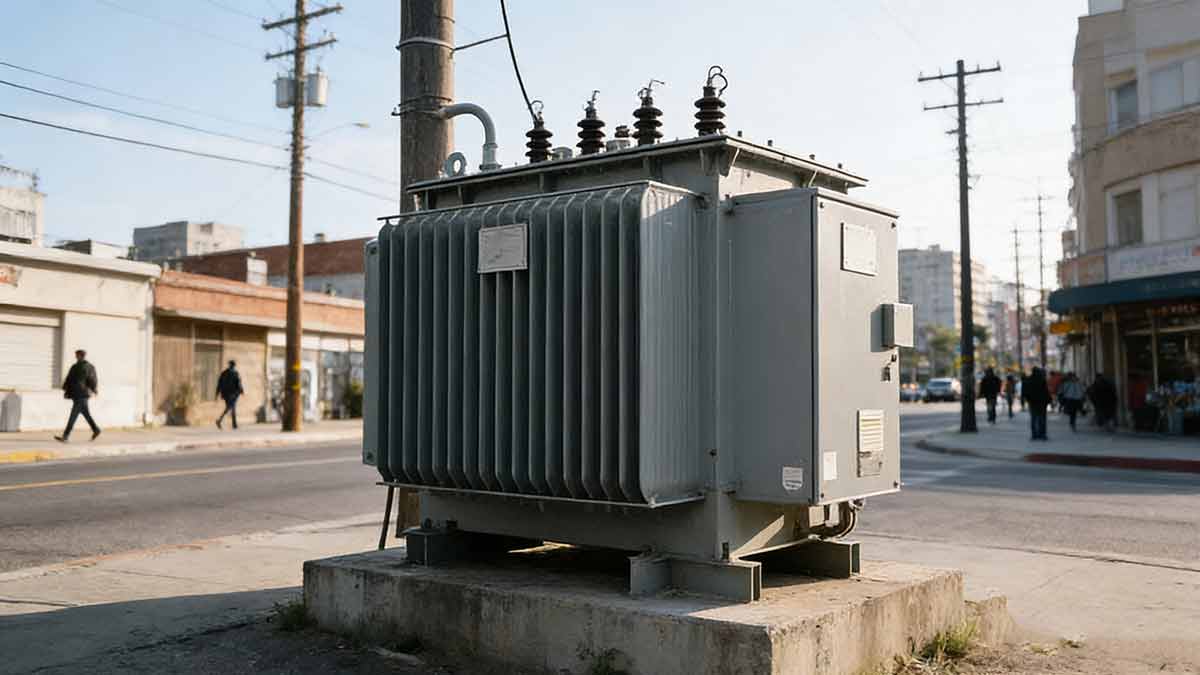
In the grand scheme of power distribution, distribution transformers play a role that is both critical and irreplaceable. They are the final link in the power supply chain, ensuring that electricity generated at power plants reaches end-users in a safe, reliable, and efficient manner. Without distribution transformers, the high-voltage electricity from transmission networks would be unusable for residential, commercial, and light industrial applications, bringing modern life to a standstill.
 
For residential users, distribution transformers are responsible for powering the appliances and devices that make daily life comfortable and convenient. From lighting and heating to cooking and entertainment, every aspect of residential life relies on the low-voltage electricity delivered by distribution transformers. For commercial users, distribution transformers power the equipment and systems that keep businesses running smoothly, including lighting, air conditioning, computers, and point-of-sale systems. For industrial users, distribution transformers provide the power needed to operate light machinery and equipment, supporting manufacturing and production processes.
power-distribution-transformer-manufacturers-(11)
Furthermore, distribution transformers play a crucial role in supporting the global transition to renewable energy. As more and more renewable energy sources, such as solar and win,d are integrated into the power grid, distribution transformers are essential for converting the variable voltage output from these sources into a stable and consistent power supply that can be used by end-users. They also enable the integration of smart grid technologies, which allow for real-time monitoring and management of power distribution, improving efficiency and reducing energy waste.

Best Practices for Extending Distribution Transformer Lifespan

While distribution transformers are built to last for decades, their lifespan can be extended even further with proper maintenance and care. Implementing best practices for transformer maintenance not only reduces the risk of unexpected failures but also ensures that transformers operate at peak efficiency throughout their service life. Some of the key best practices include:

Regular Inspection and Testing

Regular inspection and testing are essential for identifying potential issues before they escalate into major problems. Utility companies should conduct visual inspections of distribution transformers at least once a year, checking for signs of damage such as corrosion, leaks, and loose connections. They should also perform electrical tests such as insulation resistance tests, winding resistance tests, and oil quality tests (for oil-immersed transformers) to assess the transformer’s condition.

Load Monitoring

Monitoring the load on distribution transformers is crucial for preventing overload and overheating. Utility companies should use smart meters and monitoring systems to track the load on transformers in real time, ensuring that they do not exceed their rated capacity. If the load exceeds the rated capacity for an extended period, steps should be taken to redistribute the load to other transformers or upgrade the transformer to a higher capacity model.

Proper Cooling

Overheating is one of the leading causes of transformer failure, so ensuring proper cooling is essential for extending transformer lifespan. For pole-mounted transformers, ensuring that there is adequate clearance around the transformer to allow for airflow is critical. For ground-mounted transformers, ensuring that the cooling systems, such as radiators and fans, are functioning properly is essential. Regular cleaning of cooling systems to remove dust and debris can also improve cooling efficiency.

Prompt Repair of Faults

If a fault is detected during inspection or testing, it should be repaired promptly to prevent further damage to the transformer. Delaying repairs can lead to more severe issues such as winding failures, core damage, and oil leaks, which can be costly to repair and may result in extended power outages for end-users.

Conclusion

In conclusion, distribution transformers are a cornerstone of modern power distribution systems, serving as the vital bridge between high-voltage transmission networks and the low-voltage systems that power our homes, businesses, and industries. Their ability to step down voltage levels, maintain voltage stability, and operate efficiently under varying load conditions makes them an indispensable component of the power supply chain. The two main types of distribution transformers—single-phase and three-phase—are tailored to meet the specific power demand requirements of different end-user segments, with three-phase transformers offering higher efficiency and capacity for high-demand applications.
 
Equipped with advanced design features such as low-load operation efficiency, comprehensive safety systems, and durable construction, distribution transformers deliver reliable performance for decades, supporting the smooth functioning of modern life. As the global energy landscape continues to evolve, with a growing focus on renewable energy and smart grid technologies, the role of distribution transformers will only become more important. By implementing best practices for maintenance and care, utility companies can ensure that distribution transformers operate at peak efficiency, reducing energy waste and providing end-users with a safe and reliable power supply for years to come.
power-distribution-transformer-manufacturers-(9)
At its core, the importance of distribution transformers lies in their ability to make electricity accessible and usable for everyone. They are the unsung heroes who work behind the scenes to power our modern world, and their contribution to the global economy and quality of life cannot be overstated.

FAQ About Distribution Transformer

What is a distribution transformer and its core role in the power grid?

A distribution transformer is a static electrical device designed to perform the final voltage transformation in power systems, stepping down medium-voltage electricity (typically 2.4–34.5 kV) from transmission lines to low-voltage levels (480 V or lower) suitable for end users. Its core role is to bridge the gap between grid-level power and consumable voltage for residential, commercial, and industrial applications, ensuring safe and efficient energy delivery to homes, offices, factories, and infrastructure. Unlike power transformers, it operates 24/7 even with variable loads, prioritizing minimal iron losses for energy efficiency.

The primary installation-based types include pole-mounted, pad-mounted, indoor, and underground distribution transformers. Pole-mounted units (up to 500 kVA) are affixed to utility poles, common in rural and suburban areas for their compact, lightweight design. Pad-mounted transformers (up to 10,000 kVA) sit on concrete pads, favored in urban settings, residential complexes, and industrial sites for tamper resistance and easy maintenance. Indoor models protect against harsh environmental conditions, while underground units are placed in vaults or manholes to reduce visual impact and vandalism risks, and are often used in dense city centers.

Distribution transformers are available in both single-phase and three-phase configurations. Single-phase models (typically 10–100 kVA) are ideal for residential areas, small businesses, and rural grids where three-phase power is unnecessary, supplying voltages like 120/240 V for household appliances. Three-phase transformers (100–5,000 kVA) cater to medium-to-large commercial buildings, factories, data centers, and industrial facilities, delivering 400/415 V to power heavy machinery, HVAC systems, and multi-unit electrical loads. The choice depends on the user’s power demand, load type, and grid infrastructure.

Oil-immersed distribution transformers use mineral oil or synthetic esters as insulation and cooling media, offering high thermal conductivity and cost-effectiveness for outdoor installations. They comply with standards like IEC 60076 and are suitable for large-capacity applications (up to 5,000 kVA) but require leakage monitoring. Dry-type transformers use air or gaseous insulation (e.g., epoxy resin) and rely on natural or forced air cooling, eliminating fire and leakage risks. They meet IEC 61558 standards, are ideal for indoor or fire-sensitive environments (hospitals, data centers), and have lower maintenance needs but higher initial costs.

Standard voltage ratings vary by region but follow consistent ranges. In North America, primary voltages include 7.2 kV, 13.8 kV, 24.94 kV, and 34.5 kV, with secondary voltages of 120/240 V (single-phase) or 208/480 V (three-phase). Europe, Australia, and Asia (India, China) use primary voltages like 3.3 kV, 6.6 kV, 11 kV, and 33 kV, paired with secondary voltages of 230/400 V or 240/415 V. These ratings align with regional grid standards (e.g., ANSI C57 for North America, BS EN 60076 for Europe) to ensure compatibility and safe power distribution.

Distribution transformers span a capacity range of 10 kVA to 5,000 kVA, with subcategories for specific applications. Small-capacity units (10–50 kVA) serve rural areas, single-phase residential loads, and small businesses. Medium-capacity models (100–250 kVA) power commercial buildings, hotels, and retail centers. Large-capacity transformers (315–5,000 kVA) cater to factories, hospitals, data centers, and renewable energy facilities. ENERGY STAR specifies liquid-immersed units (10–2,500 kVA) and dry-type units (15–2,500 kVA) for efficiency certification, while NREL reports that 80% of in-service units fall between 10–50 kVA.

The key differences lie in function, voltage, and load handling. Distribution transformers step down medium voltage (≤34.5 kV) to end-user levels (≤600 V), operate at variable loads (max efficiency at 50–75% load), and are compact (up to 5,000 kVA). Power transformers handle extra-high voltages (≥400 kV) for long-distance transmission, operate at near-constant full loads (max efficiency at 100% load), and are large-scale (30 MVA+). Distribution transformers are located at the grid’s end (poles, pads, vaults), while power transformers reside in generating stations and substations. Additionally, distribution transformers prioritize minimal iron losses, whereas power transformers minimize copper losses.

Selection depends on five critical factors: voltage compatibility (matching primary grid voltage and secondary user needs), capacity (1.2x the expected load to allow expansion), installation environment (outdoor/indoor/underground dictating type and protection level), efficiency class (IE3/IE4 for long-term savings), and cooling method (natural air for low loads, forced air for high loads). Additional considerations include insulation class (F-class for 155°C, H-class for 180°C), protection level (IP54 for dust/water resistance), and compliance with regional standards (ANSI, IEC, IS). For renewable energy, low-loss copper windings and compact design are prioritized.

Common failures stem from overload (exceeding capacity), insulation breakdown (moisture, aging), cooling system malfunctions (clogged radiators, faulty fans), and loose connections (vibration-induced). Preventive measures include sizing transformers to 1.2x load capacity, installing overload protection devices, and maintaining clean cooling channels. Regular insulation resistance testing (per IEC 60034) detects degradation early, while hermetically sealed designs prevent moisture ingress. For oil-immersed units, Buchholz relays monitor oil flow and gas buildup, triggering alerts for leaks or internal faults. Avoiding installation in extreme temperatures and seismic zones (or using seismic-rated models) further reduces failure risks.

The average service life of a distribution transformer is 25–30 years, with factors like design, material quality, and maintenance influencing longevity. Amorphous alloy models often exceed 30 years due to low thermal stress and stable core performance. NREL estimates that 55% of in-service U.S. distribution transformers are over 33 years old and approaching end-of-life. Oil-immersed units have a similar lifespan but may require oil replacement at 15–20 years, while dry-type units (epoxy resin insulation) offer 25+ years with minimal degradation. Proper maintenance (cleaning, insulation checks) and avoiding prolonged overload can extend service life by 5–10 years.

Scroll to Top