
Comprehensive Dry Resin Transformer Maintenance solutions
In the global power infrastructure landscape, dry resin transformers stand as a cornerstone of reliable electricity distribution, serving industries, commercial complexes, and residential areas with stable voltage conversion capabilities. Unlike oil-immersed transformers, their resin-cast insulation structure eliminates the risk of oil leakage and fire hazards, making them ideal for indoor installations and high-safety-demand scenarios. However, even the most robust electrical equipment requires meticulous maintenance to sustain performance and avoid costly downtime. Overlooking maintenance protocols, especially in the critical early stages of operation, can lead to premature failures, operational disruptions, and substantial financial losses. This article delves into the economic implications of prioritizing dry resin transformer maintenance and outlines evidence-based strategies to optimize asset lifespan and reliability.
Economic Significance of Dry Resin Transformer Maintenance
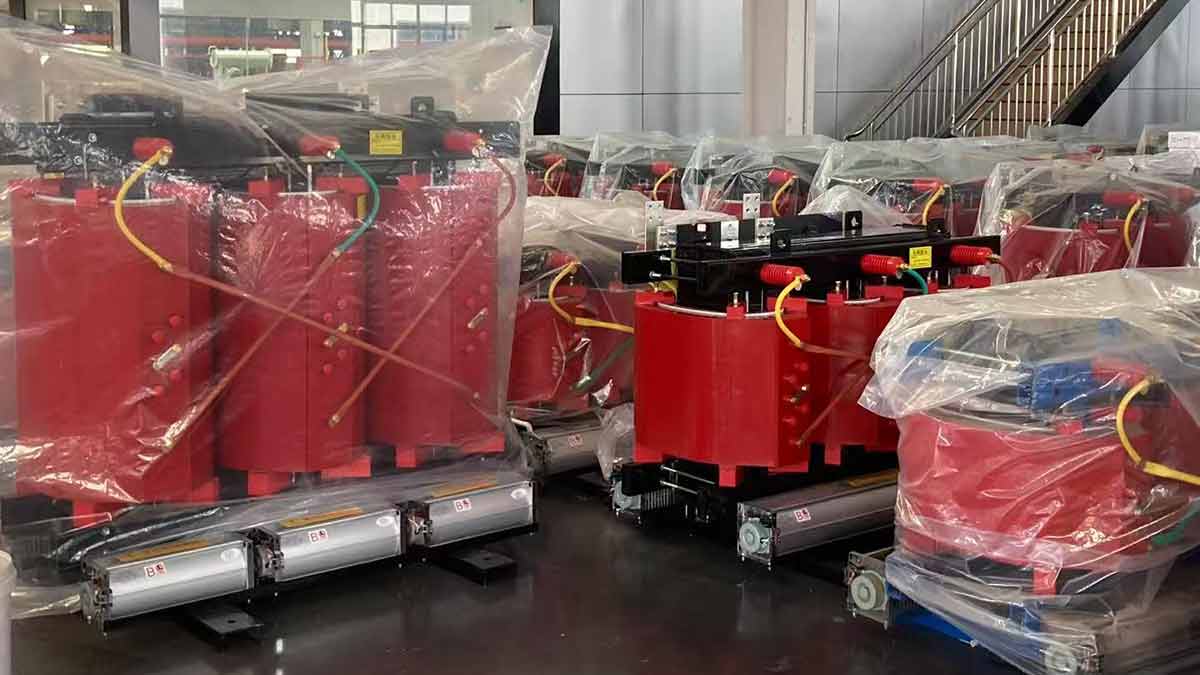
Early-Stage Failure Risks and Cost Implications
Cost-Benefit Analysis of Proactive Maintenance
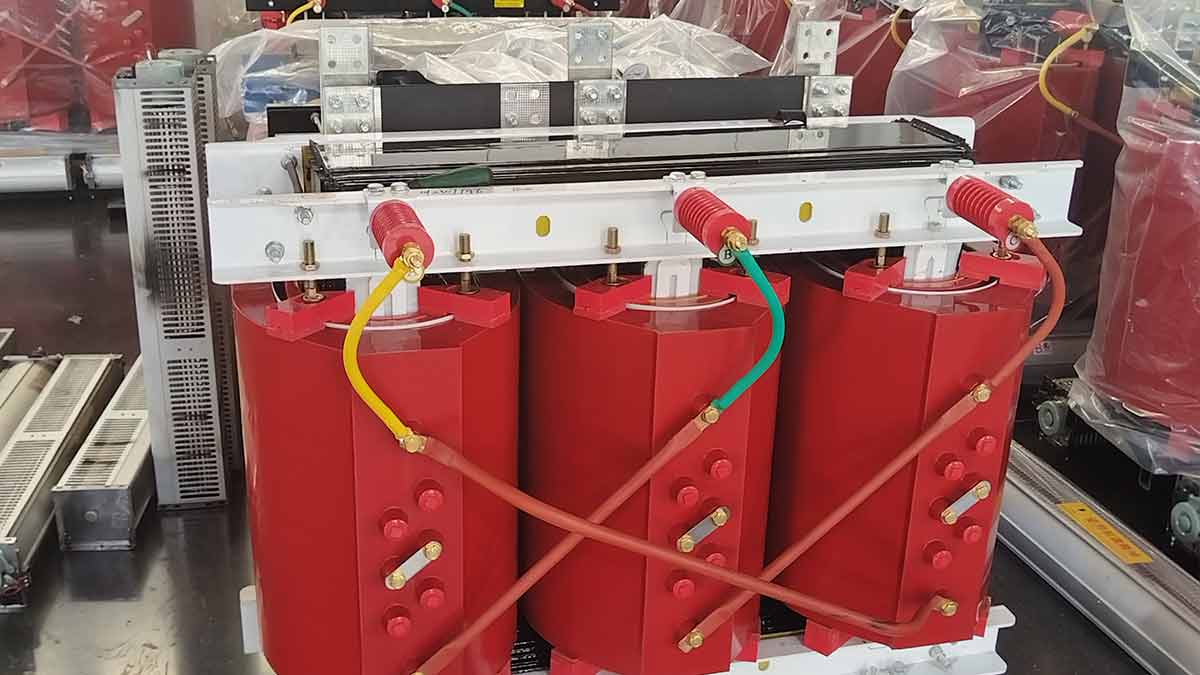
Long-Term Economic Gains from Extended Asset Lifespan
Dry Resin Transformer Maintenance Strategies
Predictive Maintenance: Data-Driven Fault Prevention
- Dissolved gas analysis (DGA): While dry resin transformers do not use oil for insulation, some models incorporate oil-filled cooling systems or voltage regulators. DGA for these components involves sampling and analyzing gas composition in the oil; abnormal gas levels indicate internal faults such as overheating or arcing.
- Infrared thermography detection: This non-invasive technique uses thermal cameras to capture temperature distribution across the transformer’s surface. Localized hotspots—often invisible to the naked eye—signal loose connections, winding insulation degradation, or cooling system malfunctions.
- Online performance monitoring: Sensors installed on the transformer track parameters such as load current, voltage output, winding temperature, and humidity levels. Real-time data is transmitted to a central monitoring system, where AI-powered algorithms detect deviations from normal operational baselines and trigger alarms.
- Visual inspection enhancements: High-resolution cameras and drone technology enable regular visual checks of hard-to-reach transformer components, identifying issues like resin cracking, corrosion, or dust accumulation that could compromise insulation performance.
Preventive Maintenance: Systematic Scheduled Upkeep
- Regular electrical testing: Periodic measurements of insulation resistance, winding resistance, and dielectric strength to assess the integrity of the resin insulation and electrical connections. These tests are typically performed annually for medium-voltage transformers and semi-annually for UHV units.
- Live-line testing: Conducted while the transformer is in operation, this test verifies the equipment’s performance under real load conditions, identifying issues such as voltage regulation inaccuracies or partial discharge that may not surface during offline testing.
- Cooling system servicing: Cleaning heat sinks, replacing air filters, and inspecting fan motors to ensure optimal heat dissipation. Overheating is a leading cause of resin insulation degradation, making cooling system maintenance a core component of preventive protocols.
- Environmental control checks: Inspecting the transformer’s installation environment for factors like humidity, dust accumulation, and temperature fluctuations, which can accelerate component wear.
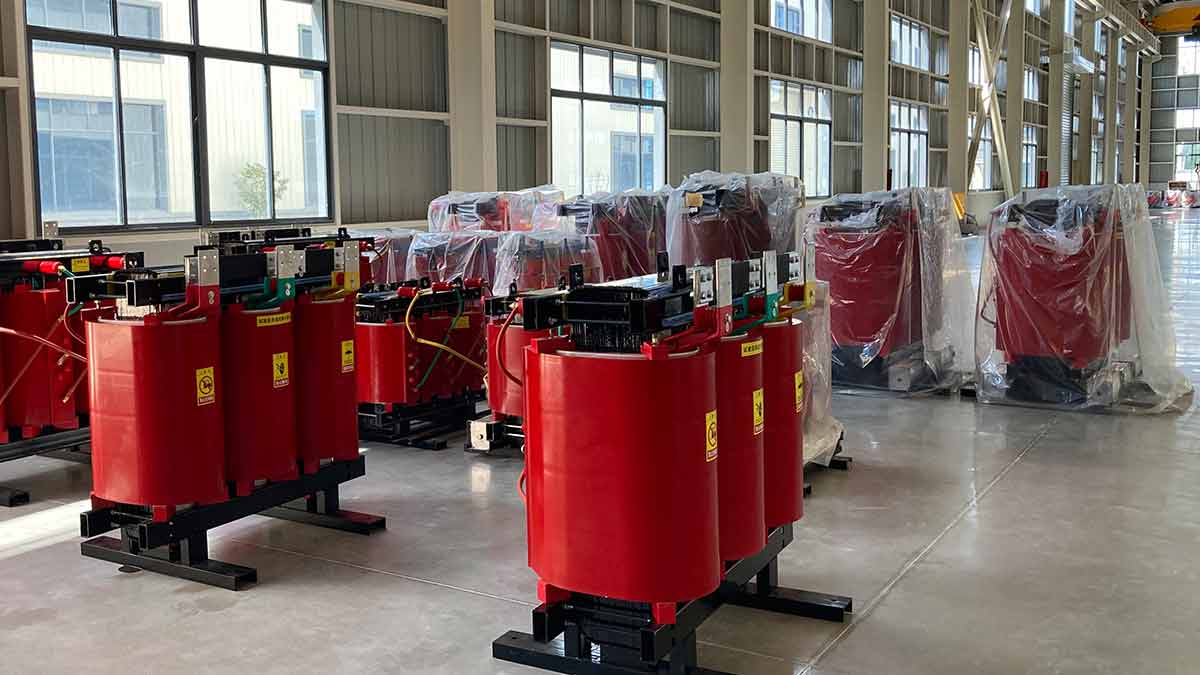
Condition-Based Maintenance: Targeted Repairs for Troubled Units
- Comprehensive fault diagnosis: Using advanced testing equipment to pinpoint the root cause of the anomaly—for example, using partial discharge testing to locate insulation defects or vibration analysis to identify loose core components.
- Maintenance plan development: Designing a customized repair or replacement strategy based on the severity of the fault, the transformer’s criticality to operations, and the availability of replacement parts.
- Targeted repair execution: Performing focused maintenance work, such as replacing damaged insulation, repairing electrical connections, or upgrading cooling system components, rather than conducting a full overhaul.
- Post-repair validation: Conducting post-maintenance tests to ensure the transformer meets performance standards before returning it to full operation.
Conclusion
FAQ About Dry Resin Transformer Maintenance
What is the recommended maintenance frequency for Dry Resin Transformers?
The maintenance frequency primarily depends on the operating environment. In dry, clean indoor environments (e.g., data centers), annual inspection and maintenance are sufficient. In harsh environments with high dust, chemical fumes, or high humidity (e.g., industrial workshops, outdoor installations), inspections should be conducted every 3 to 6 months. Newly commissioned transformers require the first comprehensive inspection within 3 months of operation. For transformers operating continuously at full load, the maintenance frequency should be appropriately increased. Special attention should be paid to strengthening monitoring and maintenance during extreme temperature seasons (high or low temperatures).
What are the key safety precautions for Dry Resin Transformer maintenance?
Safety is paramount during maintenance. First, the transformer must be completely de-energized, and strict lockout/tagout (LOTO) procedures must be implemented to prevent accidental re-energization. Maintenance personnel must wear appropriate personal protective equipment (PPE), including insulating gloves, insulating sleeves, hard hats, and flame-resistant clothing. It is strictly prohibited to perform maintenance work on live equipment. Before starting work, verify that the transformer windings are properly grounded to discharge residual electricity. Additionally, ensure adequate ventilation in the maintenance area and avoid using flammable materials near the equipment.
How to perform effective cleaning during Dry Resin Transformer maintenance?
Cleaning is a core part of maintenance to ensure unimpeded heat dissipation. First, confirm the transformer is de-energized and grounded. Use a dry vacuum cleaner or compressed air (pressure not exceeding 20-25 psi) to remove dust and debris from windings, cooling fans, and ventilation channels. Avoid direct physical contact with transformer components during cleaning. Never use water, damp cloths, or chemical cleaners, as they can damage the resin insulation and reduce insulation performance. After cleaning, check for loose hardware and tighten accessible bolts and fasteners to prevent vibration-induced issues during operation.
How to monitor and control the temperature of Dry Resin Transformers during maintenance?
Temperature monitoring is critical to prevent insulation aging and overheating. Regularly check the operation of temperature monitoring devices such as resistance temperature detectors (RTDs) or thermometers. For F-class insulation, the average winding temperature rise should not exceed 100K above ambient temperature (typically 40°C); for H-class insulation, the maximum allowable temperature is 180°C. Verify the cooling fan control settings: fans should start automatically at 110°C and stop at 90°C. Test the over-temperature alarm (triggered at 155°C) and emergency shutdown (activated at 170°C) functions to ensure they work properly. Use infrared thermometers to detect local hotspots during operation.
How to handle overheating faults of Dry Resin Transformers?
Overheating is a common fault that can damage insulation and shorten service life. When an over-temperature alarm is triggered, first check the load status and cooling system operation. If overloading is the cause, reduce the load or distribute the load to other transformers. If the cooling fan fails or the ventilation channel is blocked, repair the fan or clean the channel immediately. For localized overheating caused by loose connections, tighten the connections after de-energization. If the temperature continues to rise (exceeding 170°C), manually shut down the transformer, identify the root cause (e.g., turn-to-turn short circuit, core multi-point grounding), and only restart after troubleshooting.
How to verify the performance of protective devices during Dry Resin Transformer maintenance?
Protective devices (over-temperature, over-current, over-voltage protection) are critical for safe operation. During maintenance, test the sensitivity and reliability of these devices through simulated fault tests. Verify that the over-temperature alarm and emergency shutdown functions operate correctly at the set temperatures. Check the operation of the temperature controller: if there is no display, first inspect and replace the fuse if necessary. Test the over-current and over-voltage protection relays to ensure they can trip quickly and accurately when faults occur. Calibrate protective devices annually to ensure their performance meets standard requirements.
What are the maintenance differences between new and aging Dry Resin Transformers?
For new Dry Resin Transformers (within 5 years of operation), maintenance focuses on verifying installation quality, testing the performance of new components (fans, sensors), and establishing baseline operating data. Routine inspections and annual comprehensive tests are sufficient. For aging transformers (over 15 years old), maintenance should be intensified: increase the inspection frequency to every 3 months, conduct comprehensive tests (including insulation power factor, short-circuit impedance) twice a year, and closely monitor insulation condition and winding temperature. For aging transformers with obvious performance degradation, consider upgrading key components (e.g., cooling system, insulation materials) or replacing the entire unit.