Power Transformer VS Current Transformer
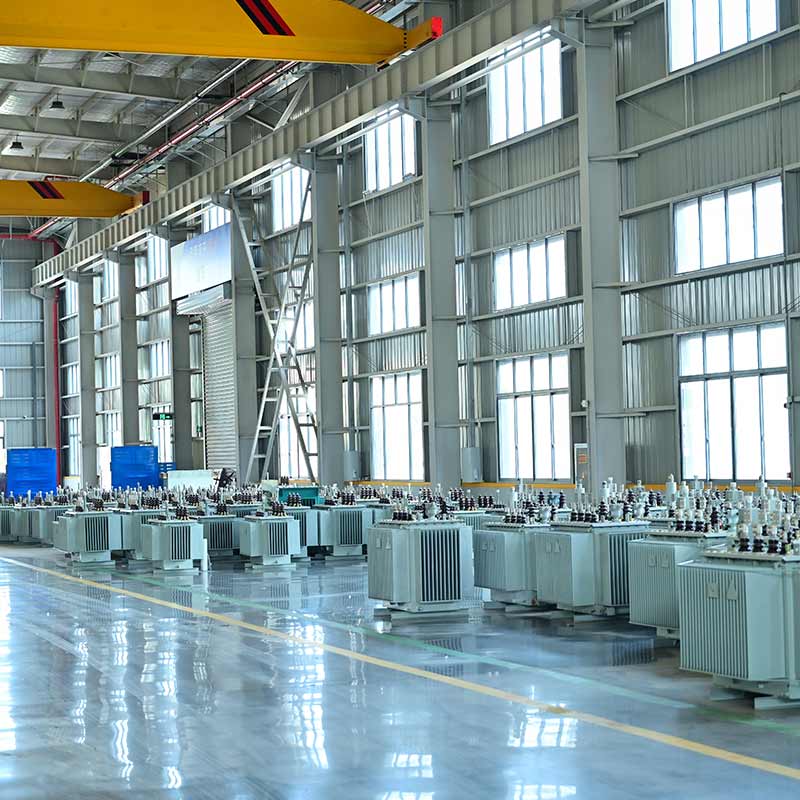
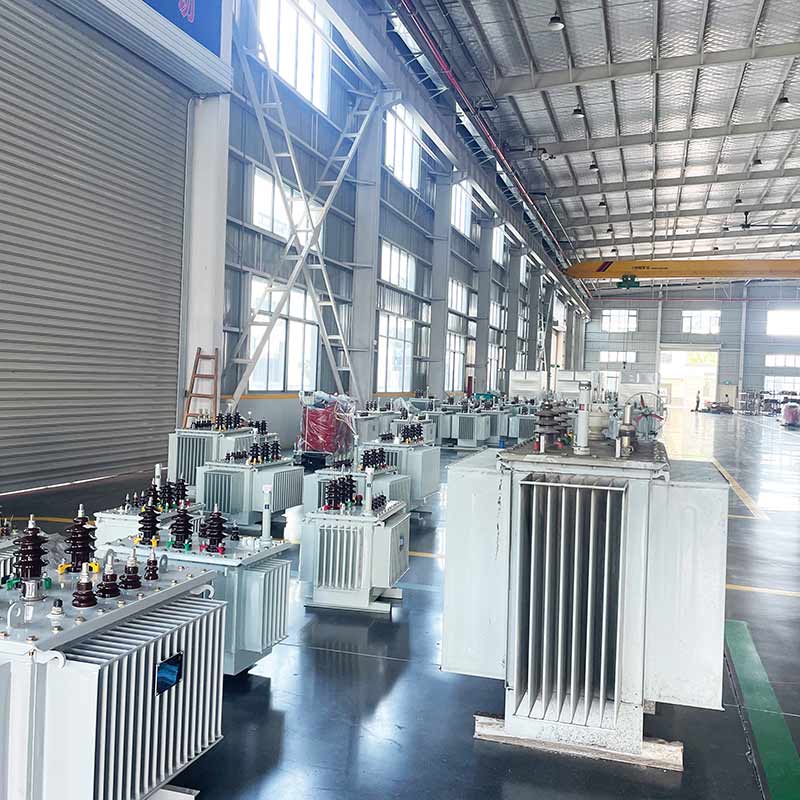
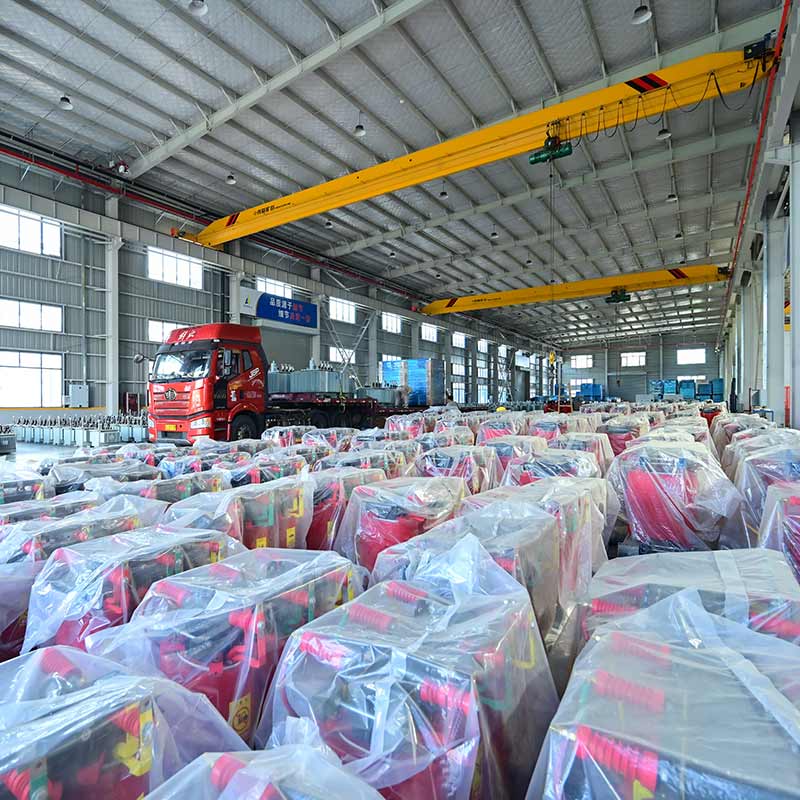
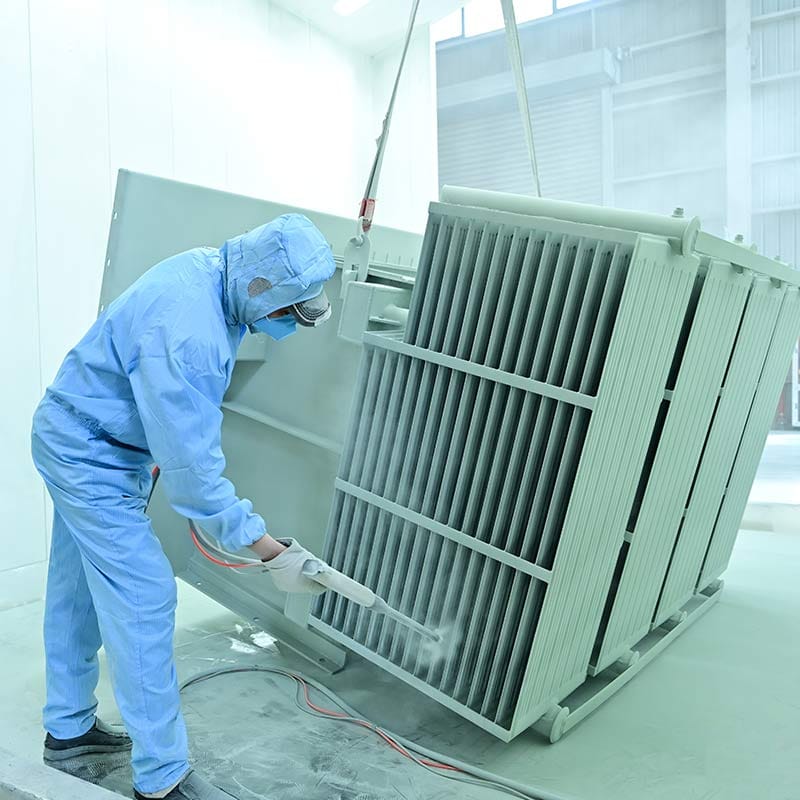
Power transformers stand as critical infrastructure elements in electrical networks, engineered to facilitate the seamless transmission of electrical power across varying voltage tiers. Unlike other transformer types, their primary mandate is to adjust voltage levels—either elevating it for long-distance power transmission (minimizing energy loss) or reducing it to safe, usable levels for industrial machinery, commercial buildings, and residential communities. Designed to handle substantial power loads, these transformers typically operate within voltage ranges spanning from medium (11kV) to ultra-high (800kV+) and boast capacity ratings measured in megavolt-amperes (MVA), making them indispensable for grid stability.
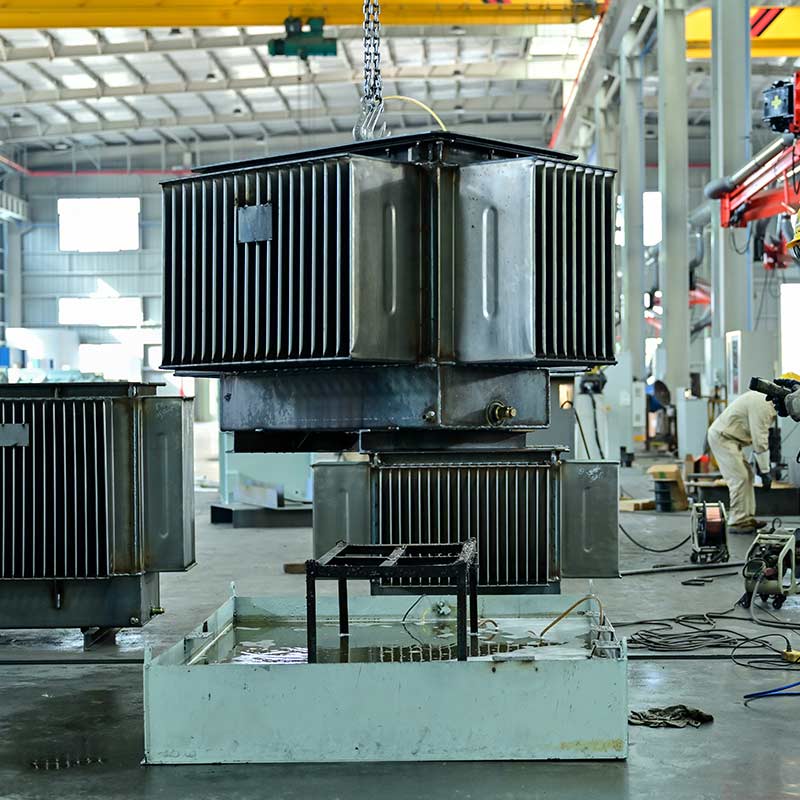
Key design considerations for power transformers include magnetic core efficiency (often constructed from grain-oriented electrical steel to minimize hysteresis loss), winding insulation (to withstand high voltage stresses), and cooling systems (such as oil-immersed or dry-type cooling) that ensure continuous operation under full load. Beyond substations and power distribution networks, they are integral to industrial sectors like manufacturing, mining, and renewable energy plants—where they integrate solar or wind power into the main grid by matching voltage outputs to grid specifications.
Key Roles of Current Transformers
Current transformers (CTs) serve a distinct, safety-critical purpose in electrical systems: accurately sensing and scaling high primary currents into standardized low secondary currents (typically 5A or 1A) that can be safely measured by monitoring devices or used to trigger protective relays. Unlike power transformers focused on energy transfer, CTs prioritize precision—with accuracy classes ranging from 0.1 (for metering) to 5P (for protection)—ensuring reliable detection of normal operating currents and fault conditions (e.g., short circuits).
Constructed with a compact magnetic core and tightly wound secondary windings, CTs are designed to handle high primary currents (often up to thousands of amperes) while maintaining electrical isolation between the high-voltage primary circuit and low-voltage measurement/protection equipment. This isolation is critical for safeguarding personnel and sensitive electronics. Common applications include utility metering (billing for electricity consumption), industrial process control, and power quality monitoring—where they help identify anomalies like current unbalance or harmonic distortion. Notably, CTs operate intermittently under fault conditions, requiring robust insulation to withstand transient voltage spikes.
Fundamental Differences Between the Two Transformers
While both power transformers and current transformers rely on electromagnetic induction principles, their core objectives, design parameters, and operational characteristics diverge significantly:
- Functional Core: Power transformers prioritize efficient energy transfer and voltage regulation; CTs focus on precise current sensing and isolation for measurement/protection.
- Rated Parameters: Power transformers are rated by voltage (kV) and apparent power (MVA); CTs are rated by primary current (A), secondary current (A), and accuracy class.
- Design Focus: Power transformers emphasize low energy loss during continuous operation and mechanical robustness for heavy loads; CTs prioritize measurement accuracy, compact size, and insulation integrity for fault transients.
- Physical Characteristics: Power transformers are large, heavy units (often requiring dedicated installation spaces) due to their high-capacity windings and cooling systems; CTs are lightweight, compact, and adaptable for mounting on busbars or cables.
- Operational Mode: Power transformers operate continuously under normal grid conditions; CTs remain in standby during steady-state operation, activating only to transmit current signals during monitoring or fault events.
Construction and Operational Distinctions
In terms of construction, both transformer types feature primary/secondary windings and a magnetic core, but their design nuances reflect their functional differences:
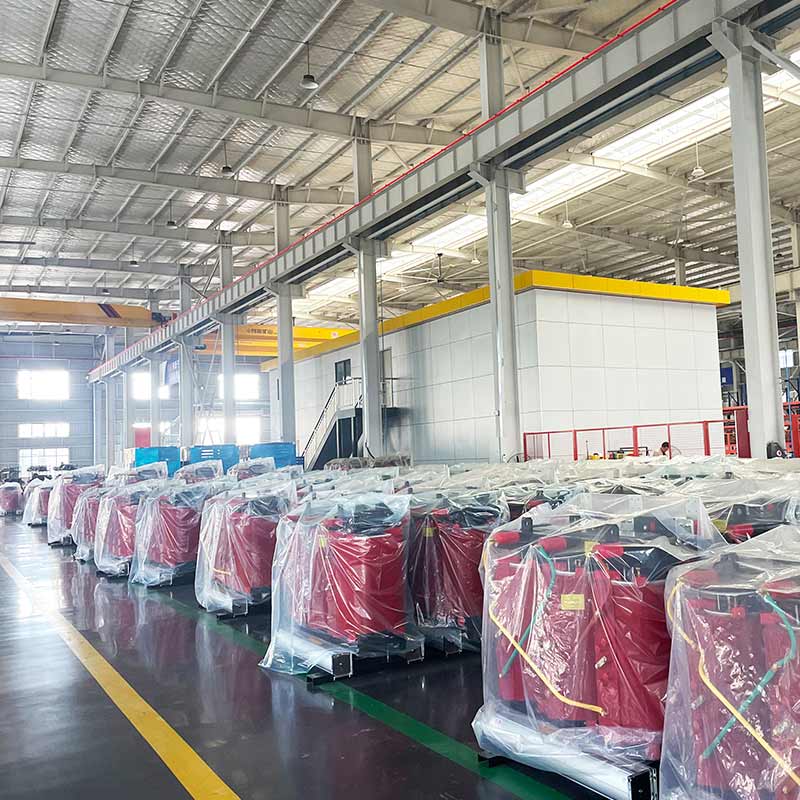
- Power Transformers: The core is typically a stacked laminar structure (to reduce eddy current loss) with primary and secondary windings wound around it. Many include on-load tap changers (OLTCs) to adjust voltage levels without interrupting power flow. Windings are insulated with high-grade materials (e.g., kraft paper, epoxy resin) to resist thermal and electrical stress. Dry-type power transformers are preferred for indoor applications (e.g., commercial buildings) due to fire safety, while oil-immersed models are used for outdoor substations and high-power industrial settings.
- Current Transformers: The core is often a toroidal design (for improved magnetic coupling and accuracy) with a single-turn or multi-turn primary winding (depending on the rated current). The secondary winding is wound tightly around the core to ensure proportional current transformation. CTs are available in split-core (for retrofitting without disconnecting cables) or solid-core (for higher accuracy) configurations, with insulation ratings tailored to the application’s voltage class.
Operationally, power transformers are designed for 24/7 continuous service, with thermal protection systems to prevent overheating. CTs, by contrast, have negligible power loss during normal operation and are engineered to handle short-duration fault currents (up to 20 times the rated current) without damage.
Practical Selection Guidelines
Selecting the right transformer type hinges on aligning its capabilities with the application’s specific requirements:
- Choose a power transformer based on the required voltage ratio, apparent power capacity, cooling method (indoor/outdoor installation), and environmental conditions (e.g., temperature, humidity). For renewable energy projects, consider transformers with low no-load loss to optimize efficiency during variable generation.
- For current transformers, prioritize accuracy class (matching metering or protection needs), primary current rating (compatible with the system’s maximum current), and insulation level (suitable for the application’s voltage). Split-core CTs are ideal for retrofits, while solid-core models offer superior accuracy for new installations.
Conclusion
Power transformers and current transformers are indispensable yet functionally distinct components of modern electrical systems. Power transformers enable the efficient, safe distribution of electrical energy by adjusting voltage levels, while current transformers provide the precise current sensing and isolation critical for system monitoring and protection. By understanding their unique design priorities, operational characteristics, and application scope, engineers and system designers can select the optimal equipment—ensuring electrical networks operate with maximum efficiency, reliability, and safety. Whether integrating renewable energy into the grid, powering industrial processes, or monitoring utility consumption, the right transformer choice is foundational to system performance.