At the core of every three phase
distribution transformer lies the fundamental principle of electromagnetic induction, a phenomenon first documented by Michael Faraday in the 19th century. This principle governs the transformer’s ability to transfer electrical energy between two or more circuits without direct electrical contact. A typical three phase transformer comprises three key components: primary windings (connected to the input power source), secondary windings (linked to the load), and a laminated iron core (designed to channel magnetic flux).

When alternating current (AC) flows through the primary windings, it generates a varying magnetic field around the iron core. This magnetic flux cuts through the secondary windings, inducing an electromotive force (EMF) and thus a voltage in the secondary circuit. The ratio of the primary voltage to the secondary voltage is directly proportional to the number of turns in the primary and secondary windings (V₁/V₂ = N₁/N₂). This precise relationship allows transformers to step up or step down voltage levels efficiently, while the laminated core minimizes energy losses caused by eddy currents—an essential design feature for optimizing performance.
Three phase distribution transformers perform three critical roles that are vital to the functionality of power systems:
The primary function of these transformers is to adjust voltage levels to meet the demands of different stages in the power chain. Power generators typically produce electricity at medium voltage (e.g., 10kV to 35kV), which is too low for efficient long-distance transmission. Three phase transformers step up this voltage to high or extra-high levels (e.g., 110kV, 220kV, or 500kV), reducing current flow and minimizing energy losses during transmission (since power loss is proportional to the square of current). Upon reaching distribution networks near end-users, the transformers step down the voltage to safe, usable levels—such as 400V for industrial machinery, 230V for residential appliances, and 110V for specific commercial equipment.
Voltage transformation and current regulation are inherently linked by the law of conservation of energy (assuming ideal
transformer efficiency). As voltage increases, current decreases proportionally, and vice versa. This inverse relationship ensures that the power transferred (P = V×I) remains consistent (minus minimal losses), allowing transformers to adapt current levels to match the capacity of transmission lines, distribution cables, and end-user equipment. For example, high-voltage transmission lines carry low current to reduce heat loss, while low-voltage distribution lines carry higher current to deliver sufficient power to homes and businesses.
Three phase transformers provide galvanic isolation between the power supply system (grid) and user-side circuits. This isolation breaks the direct electrical connection, preventing faults or voltage surges in one part of the system from spreading to another. For instance, if a short circuit occurs in a residential building, the transformer isolates the building’s electrical system from the main grid, limiting the scope of the accident, protecting equipment from damage, and enhancing safety for maintenance personnel and end-users. Isolation also helps reduce electromagnetic interference (EMI) and ensures compatibility between different parts of the
power system.
Three phase distribution transformers are classified based on their insulation materials, cooling methods, and core designs, each tailored to specific applications and operating conditions:
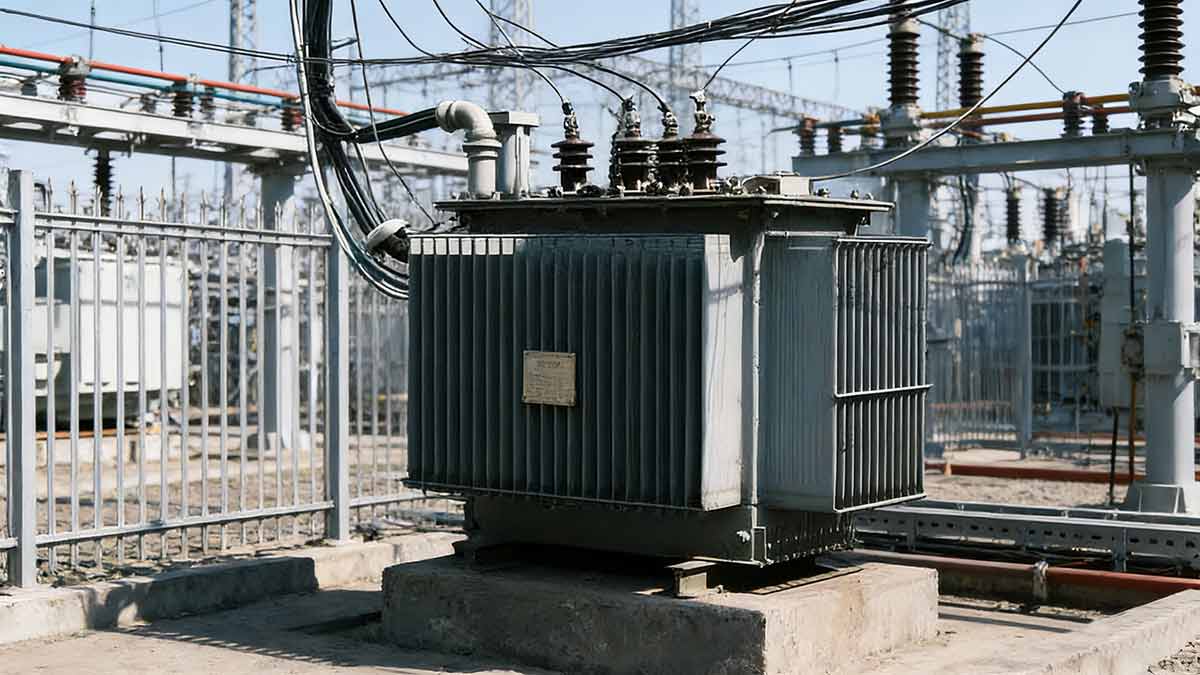
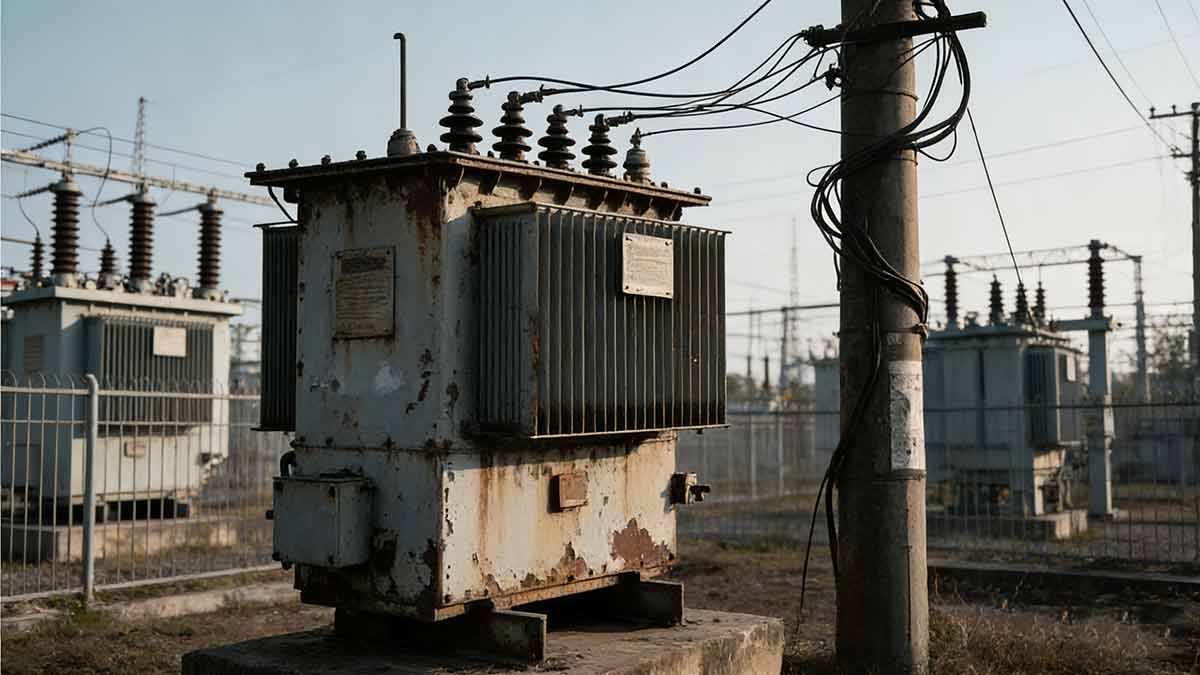
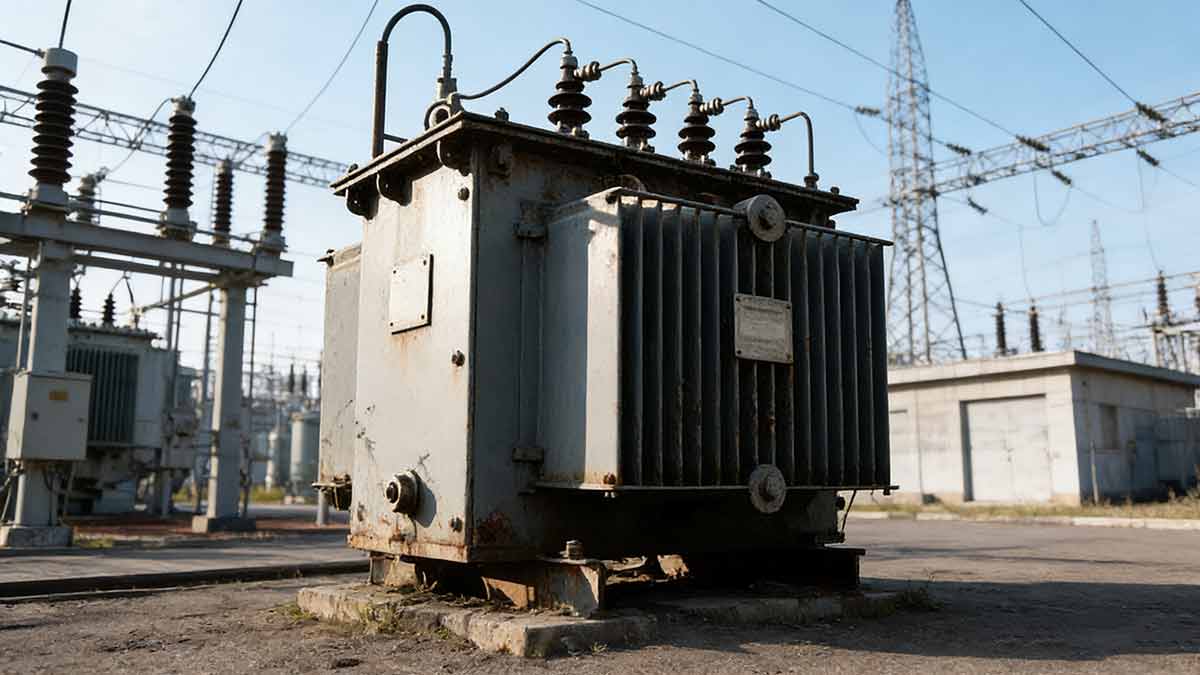
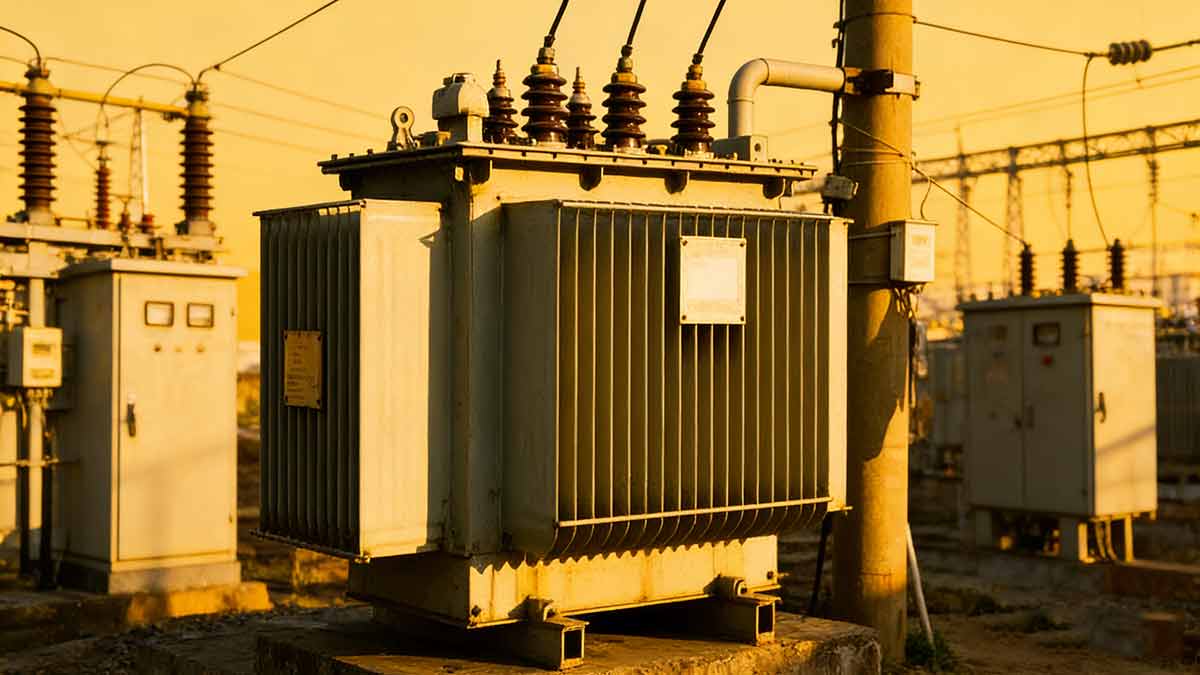
Oil-immersed transformers are the most widely used type in outdoor and high-power applications. They utilize
transformer oil as both an insulating medium and a cooling agent, with the iron core and windings fully immersed in the oil within a sealed tank. The oil provides excellent electrical insulation, preventing arcing between conductive components, while also dissipating heat generated during operation. Finned radiators or cooling fans attached to the tank enhance heat dissipation, making these transformers suitable for large-capacity installations (e.g., 100kVA to 20MVA) in power substations, industrial plants, and rural distribution networks. Their robust design, long service life (typically 20–30 years), and cost-effectiveness make them a preferred choice for heavy-duty applications.
Dry-type transformers differ from oil-immersed models in that their windings and core are insulated using epoxy resin or other non-flammable materials, eliminating the need for
transformer oil. The windings are often cast in epoxy resin, providing superior mechanical strength, moisture resistance, and thermal stability. These transformers rely on air cooling (natural or forced) to dissipate heat, making them ideal for indoor installations where fire safety is a top priority—such as high-rise buildings, shopping malls, data centers, and hospitals. Dry-type transformers are also low-maintenance, produce minimal noise, and are environmentally friendly (no risk of oil leaks), though they are typically limited to smaller capacities (up to 5MVA) compared to oil-immersed units.
Amorphous alloy transformers are a specialized type designed for high energy efficiency. Their core is made from amorphous alloy—a metallic material with a non-crystalline structure that exhibits extremely low magnetic hysteresis loss. This unique property reduces no-load losses (iron losses) by 60–80% compared to traditional silicon steel core transformers, making them an eco-friendly choice for applications with long operating hours at low loads (e.g., residential areas, office buildings, and rural electrification projects). Amorphous alloy transformers also offer good temperature resistance, corrosion resistance, and a compact design, though their higher initial cost is offset by long-term energy savings.
A three phase
distribution transformer is a sophisticated assembly of components working in harmony to ensure reliable performance. Key components include:
The core is the magnetic circuit of the transformer, typically made of laminated silicon steel sheets (or amorphous alloy for high-efficiency models) to minimize eddy current losses. Its primary function is to concentrate and guide magnetic flux between the primary and secondary windings, maximizing the efficiency of electromagnetic induction. The core’s design—usually a three-legged or five-legged structure—ensures balanced flux distribution across the three phases.
Windings are insulated copper or aluminum conductors wound around the core. Primary windings receive power from the source, while secondary windings deliver power to the load. The number of turns in each winding determines the
voltage transformation ratio. Windings are insulated with materials such as paper, epoxy resin, or enamel to prevent short circuits and ensure electrical safety.
Insulating supports (also known as bushings) are used to mount and insulate the windings from the transformer tank and other conductive parts. They are typically made of porcelain, epoxy resin, or composite materials, providing mechanical stability and electrical insulation between high-voltage windings and the grounded tank.
Tap changers adjust the number of turns in the windings to regulate output voltage, compensating for fluctuations in input voltage or load changes. There are two main types: on-load tap changers (OLTC), which can adjust voltage while the transformer is in operation, and non-excitation tap changers (NETC), which require the transformer to be de-energized for adjustments. OLTCs are commonly used in industrial and utility applications where voltage stability is critical, while NETCs are suitable for smaller transformers with stable load conditions.
For oil-immersed transformers, the tank houses the core, windings, and
transformer oil. Finned radiators are attached to the tank to facilitate heat dissipation through natural convection. Larger transformers may include forced-air or forced-oil cooling systems (e.g., fans or pumps) to enhance heat transfer. Dry-type transformers use air-cooling systems, such as fans, to maintain operating temperatures within safe limits.
Safety devices are essential to protect the transformer from faults and ensure safe operation:
- Moisture Absorber (Breathing Apparatus): Prevents moisture from entering the tank, which can degrade insulation and transformer oil.
- Gas Relay (Buchholz Relay): Detects gas generated by internal faults (e.g., overheating or arcing) and triggers alarms or shuts down the transformer to prevent damage.
- Oil Filter: Removes impurities and sludge from transformer oil, maintaining its insulating and cooling properties.
- Temperature Measuring Instruments: Monitors the temperature of the oil or windings, providing real-time data to operators and triggering cooling systems or alarms if temperatures exceed safe limits.
Transformer oil is a specialized mineral oil (or synthetic oil) used in oil-immersed transformers, serving three critical purposes:
Transformer oil has high dielectric strength, creating a barrier between conductive components (e.g., windings, bushings) and preventing electrical arcing. It fills the gaps between the core and windings, ensuring uniform insulation and protecting against short circuits.
During operation, the transformer generates heat due to iron losses and copper losses.
Transformer oil absorbs this heat, becomes less dense, and rises to the top of the tank. It then flows through the finned radiators, where heat is transferred to the surrounding air. The cooled oil sinks back to the bottom of the tank, creating a natural circulation loop that maintains the transformer’s operating temperature within safe limits.
When the tap changer is operated (especially in OLTCs), opening or closing contacts can generate electric arcs.
Transformer oil acts as an arc suppressant, quenching these arcs quickly to prevent damage to the tap changer and other components. The oil’s high dielectric strength and thermal stability make it effective at extinguishing arcs and reducing the risk of fire or explosion.
No transformer operates with 100% efficiency—some energy is lost as heat during operation. These losses are categorized into two main types:
No-load loss occurs when the transformer is connected to the power source but carries no load (i.e., the secondary circuit is open). It is primarily caused by two factors:
- Hysteresis Loss: Energy lost due to the reversal of magnetic flux in the core as the AC current alternates. This loss depends on the core material (e.g., silicon steel vs. amorphous alloy) and the frequency of the input voltage.
- Eddy Current Loss: Energy lost due to circular currents (eddy currents) induced in the core by the varying magnetic field. Laminating the core into thin sheets with insulating layers between them minimizes these losses by reducing the path of eddy currents.
No-load loss is constant for a given transformer, regardless of load, and is typically measured in watts (W) or kilowatts (kW).
Load loss occurs when the transformer is carrying a load (i.e., current flows through both primary and secondary windings). It is caused by the resistance of the winding conductors (copper or aluminum), which generates heat as current passes through (Joule heating). The magnitude of load loss is proportional to the square of the load current (P = I²R) and increases with the load on the transformer.
Other minor losses include stray load loss (caused by leakage flux inducing currents in the tank or other metal parts) and dielectric loss (energy lost in the insulation materials). However, these losses are typically negligible compared to iron and copper losses.
Minimizing transformer losses is critical for energy efficiency and cost savings. Manufacturers achieve this through design optimizations—such as using high-grade core materials (amorphous alloy), optimizing winding design to reduce resistance, and improving insulation to minimize dielectric loss. For end-users, selecting energy-efficient transformers (e.g., IE2 or IE3 efficiency classes) and operating them at optimal load levels (typically 50–75% of rated capacity) can significantly reduce energy consumption and operational costs over the transformer’s lifespan.