
Common Faults Of Oil Filled Self Cooled Type Transformer
Oil filled self cooled type transformer serves as the backbone of modern power grids, playing a pivotal role in voltage regulation and energy transmission. Their stable operation directly dictates the overall power supply quality—from residential electricity access to industrial production continuity. However, in real-world applications, these transformers are often exposed to harsh operating conditions, including temperature fluctuations, load variations, and environmental factors. Inevitably, such constraints lead to various faults over time. Even minor malfunctions can trigger unplanned power outages, and in severe cases, escalate into large-scale power accidents that disrupt social operations and cause significant economic losses. For this reason, conducting in-depth, scientific analysis of oil-immersed transformer faults—especially circuit-related issues—is essential for ensuring grid stability. Below, we delve into common faults and practical solutions tailored to industry needs.
Impact of Discharge Faults on Transformer Insulation
Discharge faults pose a critical threat to the insulation system of oil-immersed self-cooled transformers, as insulation integrity is the core of transformer safety. Two primary mechanisms drive this damage:
First, discharge processes generate high-energy particles that directly bombard the transformer’s insulation materials (such as insulating oil, paper, and cardboard). This continuous mechanical impact erodes the insulation structure at a microscopic level, creating cracks, thinning layers, and eventual breakdown. Over time, the insulation’s ability to withstand voltage declines, increasing the risk of short circuits.
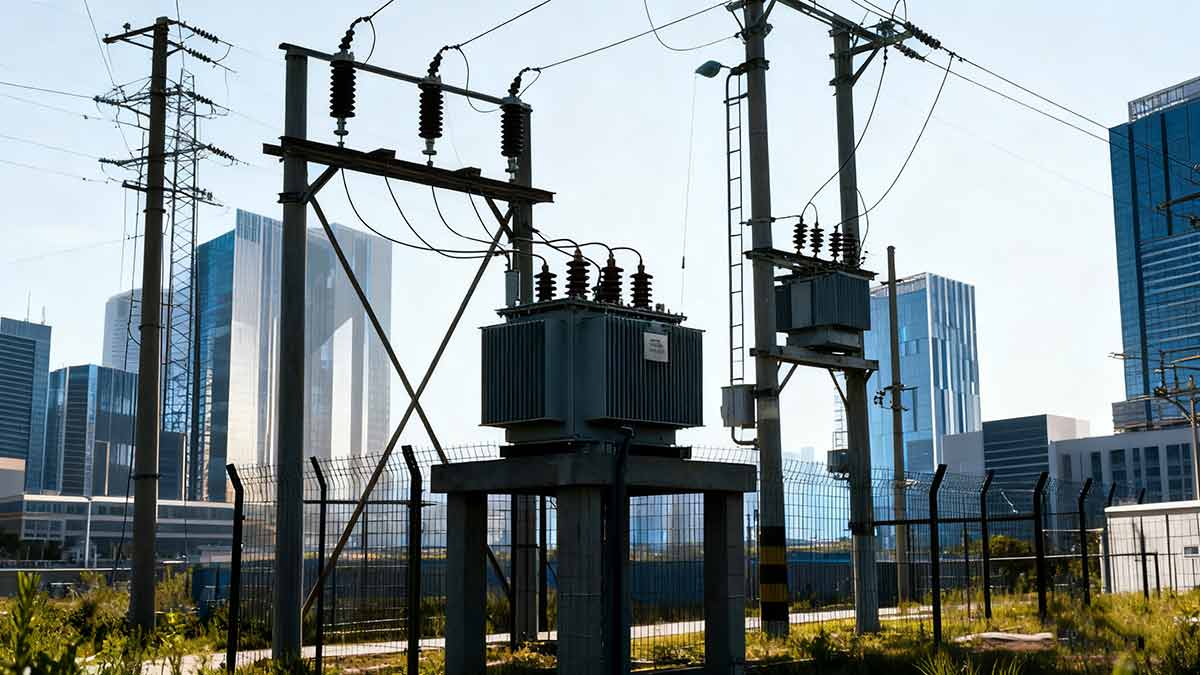
Second, electrical discharges react with the surrounding air and oil, producing ozone (O₃) and nitrogen oxides (NOₓ). These reactive chemical substances exhibit strong corrosive properties: ozone oxidizes the organic components of insulating materials, causing them to become brittle and prone to cracking, while nitrogen oxides react with moisture in the environment to form acidic compounds. These acids further degrade insulation materials and corrode metal parts adjacent to the insulation system. Additionally, discharges release localized heat, leading to thermal aging of insulation—accelerating material decomposition and reducing its service life.
Partial Discharge Faults: A Hidden Threat
Partial discharge refers to unstable, localized electrical discharges that occur at the edges of cavities or gaps within the transformer’s insulation structure under voltage stress. Unlike full-scale short circuits, partial discharges do not bridge the entire insulation gap but are confined to specific areas. The root cause of this fault often lies in trapped gas within the transformer oil or insulation cavities. Gas has a lower dielectric constant compared to solid insulation materials (e.g., insulating paper) and transformer oil, resulting in uneven electric field distribution within the insulation system. When the electric field strength in the gas-filled gaps exceeds the gas’s breakdown voltage, partial discharge is initiated.
While the energy intensity of a single partial discharge is relatively low, long-term, repeated discharges accumulate damage. Over time, the continuous bombardment of high-energy particles, chemical corrosion from discharge byproducts, and localized heating gradually degrade the insulation around the discharge site. If left unaddressed, this process can lead to insulation breakdown, turning a seemingly minor issue into a severe safety hazard that compromises the transformer’s entire operation.
Insulation Damage Faults: Common Causes and Mechanisms
- Moisture Infiltration During Installation: During transformer installation or maintenance, if the oil tank is not fully sealed or the oil filling process is incomplete, air enters the system. Moisture in the air condenses and accumulates around insulation components (e.g., windings and bushings). Water is a strong conductor, and its presence significantly reduces the insulation’s dielectric strength, making it susceptible to breakdown under normal operating voltages.
- Inadequate Drying of Insulation Materials: Shortened manufacturing cycles may lead to insufficient drying of insulating paper and cardboard before assembly. These moisture-absorbing materials gradually release trapped moisture during operation, especially under load-induced heating. This moisture diffusion lowers the insulation performance of low-voltage windings, increasing DC leakage current and raising the risk of insulation failure.
- Poor Sealing Design or Deterioration: Over time, seals (such as gaskets and O-rings) may degrade due to aging, temperature cycles, or mechanical wear. Poor sealing allows external moisture and contaminants to penetrate the transformer, directly affecting the insulation system’s integrity. This issue is particularly prominent in outdoor transformers exposed to rain, humidity, and dust.
- Gas Generation from Insulation Degradation: During long-term operation, solid insulation materials (e.g., cellulose-based paper) or stainless steel components may decompose under thermal or electrical stress, producing gases such as hydrogen (H₂) and carbon monoxide (CO). High concentrations of these gases in transformer oil indicate ongoing insulation degradation. Manufacturers must consider gas adsorption and emission during the design and production phases to prevent gas accumulation from exacerbating insulation issues.
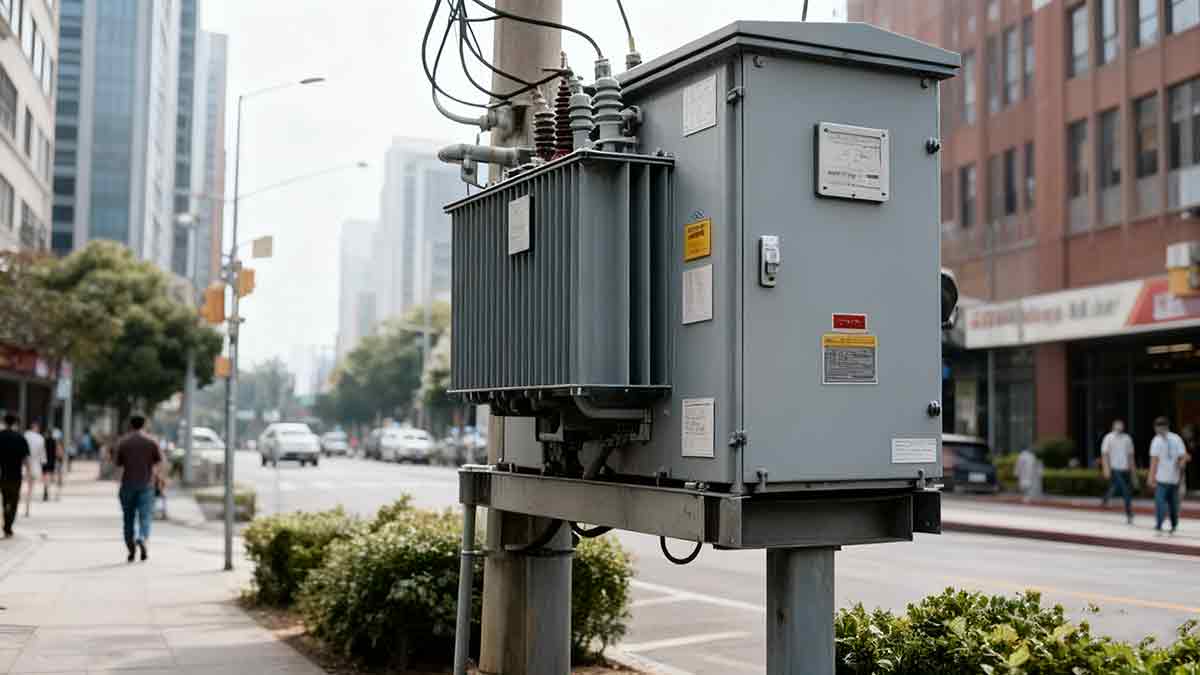
Practical Solutions for Oil-Immersed Transformer Faults
1. Standardized Installation of High and Low-Voltage Fuses
2. Rational Selection of Fuse Ratings
3. Strengthen Load Monitoring and Balancing
4. Proper Adjustment of Tap Changers
5. Regular Inspection of Three-Phase Current Balance
6. Pre-Thunderstorm Season Arrester Testing
7. Mandatory Pre-Operation Testing
- Load Duration Test: Conduct a load test for the specified duration (typically 30 minutes) to verify thermal stability and insulation performance under operating conditions.
- Tap Changer Operation Test: Switch the tap changer three times sequentially to ensure smooth mechanical movement and reliable contact.
- Test Button Verification: Press the built-in test button three times to confirm the protective devices (e.g., residual current protectors) function normally.
- Ground Resistance Test: Perform three consecutive ground resistance measurements—each result must be ≤4Ω to ensure effective grounding and fault current diversion.
8. Routine Maintenance of Bushings and Grounding Systems
9. Analysis and Resolution of Transformer Oil Leakage
- Conduct regular visual inspections to identify leakage sources—pay special attention to areas prone to vibration or thermal expansion.
- For minor leaks, replace worn seals or tighten bolts; for severe leaks (e.g., weld cracks), empty the oil, repair the defect, and re-test for tightness.
- Analyze the oil quality regularly (e.g., moisture content, dielectric strength, and dissolved gas analysis) to detect early signs of insulation degradation caused by leakage.