
Assembly Of Oil Immersed Power Transformer
Assembly stands as a decisive factor in determining the performance, reliability, and lifespan of oil-immersed power transformers. Unlike standardized manufacturing processes, assembly involves precise coordination of components, strict adherence to technical protocols, and rigorous quality control—all of which directly impact the transformer’s ability to operate stably under long-term electrical loads. For manufacturers and maintenance teams, mastering the core principles of assembly and addressing potential risks is essential to delivering high-quality equipment. Below is a detailed breakdown of the key considerations and mandatory requirements for the assembly of common oil-immersed transformers.
Man-Hour Quota and Core Work Scope
The assembly process of oil-immersed power transformers encompasses a series of interconnected tasks, each requiring specific time allocation and technical focus to ensure completeness and precision. The man-hour quota covers the entire lifecycle of assembly, from pre-installation preparation to final commissioning:
- Unpacking and Acceptance Inspection: Upon receiving the transformer and its accessories, teams must conduct a thorough inspection to verify the integrity of the main body, casings, conservators, radiators, and other key components. This includes checking for transportation-induced damage (such as dents, cracks, or loose fasteners), confirming that all parts match the design specifications, and documenting any discrepancies for follow-up resolution.
- Core Positioning and Inspection: The transformer core—an integral part of the magnetic circuit—must be accurately positioned on the foundation platform. Post-positioning, inspectors evaluate the core’s insulation status, check for signs of moisture or contamination, and ensure no foreign objects are trapped within the core laminations.
- Component Cleaning and Preparation: Casings, conservators, radiators, and connecting pipelines require meticulous cleaning to remove dust, oil residues, or metal particles. This step is critical to preventing insulation degradation and oil contamination, which can lead to equipment failure.
- Oil Column Testing and Accessory Assembly: Prior to oil filling, oil column tests are performed to verify the sealing performance of oil paths and components. Accessories such as bushings, tap changers, and temperature gauges are then assembled with precise torque control to ensure secure connections and leak-proof seals.
- Sizing Block and Wheel Stopper Fabrication: Custom-sized sizing blocks are installed to level the transformer body, while wheel stoppers are fixed to prevent unintended movement during operation or maintenance. Both components must be fabricated from high-strength materials to withstand the transformer’s weight and operational vibrations.
- Post-Assembly Sealing and Pressure Testing: After full assembly, a comprehensive sealing test is conducted—typically using nitrogen or dry air—to detect potential oil leaks. This is followed by supplementary oil filling (if required) to ensure the transformer meets the specified oil level and insulation standards.
- Grounding Installation and Paint Touch-Up: Proper grounding systems are installed to protect against electrical faults and ensure operator safety. Finally, any paint damage incurred during assembly is repaired to prevent corrosion and maintain the transformer’s structural integrity.
Assembly Site Requirements and Layout
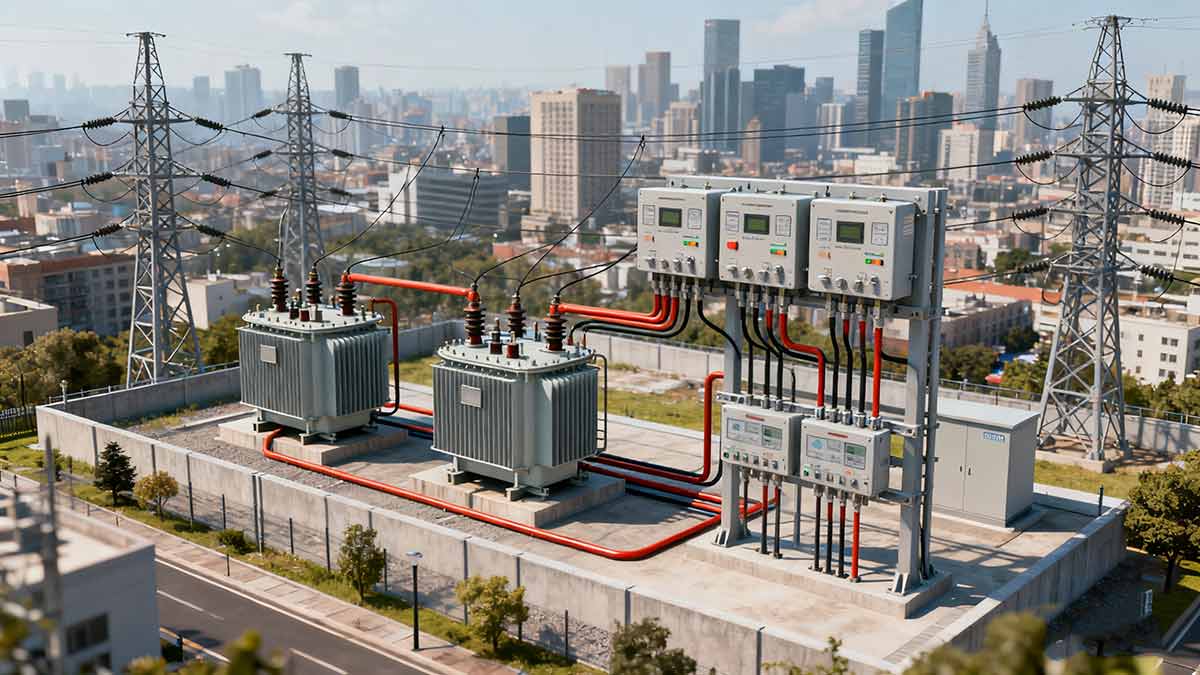
The choice and preparation of the assembly site directly influence the efficiency of the process and the quality of the final product. For optimal results, the following site conditions must be met:
- Indoor vs. Temporary Outdoor Sites: Oil-immersed transformer overhaul and assembly are preferably conducted in a dedicated maintenance room—an enclosed space with controlled temperature, humidity, and dust levels. If a permanent maintenance room is unavailable, a temporary site should be selected, ideally in close proximity to the transformer’s foundation platform. This minimizes the need for long-distance transportation of the heavy main body and allows for on-site assembly if conditions permit.
- Outdoor Site Protection: Outdoor assembly sites must be covered with weatherproof tents to shield components from rain, dust, and direct sunlight. This protects sensitive insulation materials from moisture absorption and prevents debris from entering the transformer’s internal structure.
- Transportation and Accessibility: The site must feature flat, wide, and load-bearing roads to facilitate the movement of large equipment (such as cranes, forklifts, and the transformer itself). Adequate space should be reserved for storing accessories and tools, ensuring a streamlined workflow.
- Ground and Environmental Standards: The ground must be solid, level, and dry to support the transformer’s weight (often tens of tons) and prevent tilting during assembly. Additionally, the site should be located away from smoke stacks, water towers, and other sources of pollution or vibration. The distance from nearby buildings must comply with local fire safety regulations, typically requiring a minimum clearance to reduce fire risks associated with oil-filled equipment.
Mandatory Safety Measures
Safety is paramount throughout the assembly process, as transformer assembly involves high-voltage components, heavy machinery, and flammable insulating oil. The following safety protocols must be strictly enforced:
- Prevent Electric Shock and Falls: All operators must wear insulated personal protective equipment (PPE), including gloves, boots, and safety helmets. Electrical tools must be grounded and tested for insulation integrity before use. Working platforms and ladders used for overhead assembly (e.g., bushing installation) must be stable and equipped with guardrails to prevent falls.
- Avoid Insulation Overheating: Assembly should be conducted in well-ventilated environments to dissipate heat generated by tools or component friction. Avoid using high-temperature equipment near insulation materials, and ensure that no short circuits occur during preliminary electrical checks.
- Fire Prevention: Flammable materials (such as oil rags or solvents) must be stored in designated fireproof containers. The site should be equipped with appropriate fire-fighting equipment, including dry powder extinguishers (suitable for electrical and oil fires), and all personnel must be trained in emergency fire response procedures. Open flames are strictly prohibited within the assembly area.
- Prevent Foreign Object Intrusion: During assembly, all openings of the transformer tank (such as manholes or oil filling ports) must be covered with temporary seals when not in use. Tools and small parts should be secured with lanyards to avoid accidental drops into the tank, which could cause short circuits or insulation damage.
- Protect Accessories from Damage: Delicate components (such as bushings, insulators, and control panels) must be stored in shockproof, moisture-proof packaging before assembly. During handling, use soft slings or padding to prevent scratches, cracks, or mechanical deformation.
- Prevent Transformer Tipping: Lifting equipment (such as cranes) must be rated for the transformer’s weight, and lifting points must align with the manufacturer’s specifications. The transformer should be secured with stabilizing ropes during movement, and the foundation platform must be inspected for load-bearing capacity before positioning.
Technical Measures Formulated by Manufacturers
To ensure the transformer meets design standards and operational requirements, manufacturers must establish and implement strict technical measures throughout the assembly process:
- Moisture Protection for the Core: The transformer core is highly susceptible to moisture, which can degrade insulation performance and cause iron loss. Assembly must be conducted in environments with relative humidity below 65%, and the core should be exposed to air for the shortest possible time. If 吊芯 (core lifting) is required, the process must be completed within one working day to minimize moisture absorption.
- Ensure Reliable Connections: All electrical and mechanical connections—including core clamping bolts, winding leads, and accessory terminals—must be cleaned to remove oxidation or debris. Fasteners should be tightened to the specified torque using calibrated tools to ensure good electrical conductivity and mechanical stability. Post-assembly, conductivity tests may be performed to verify connection integrity.
- Achieve Leak-Proof Sealing: High-quality sealing materials (such as nitrile rubber gaskets or silicone sealants) are used for all flange connections, oil ports, and accessory interfaces. Sealing surfaces must be flat, clean, and free of burrs to ensure a tight fit. After assembly, a pressure test (typically 0.03–0.05 MPa for 24 hours) is conducted to confirm no oil leaks.
- Guarantee Insulation Performance: Both the transformer’s solid insulation (e.g., paper insulation, pressboard) and insulating oil must meet national and international standards (such as GB/T 7595 or IEC 60296). Insulation components must be inspected for cracks, tears, or contamination before assembly, and insulating oil must be filtered to remove impurities and moisture, ensuring a breakdown voltage of at least 40 kV.
Inspection Requirements After Long-Distance Transportation
Long-distance transportation exposes oil-immersed transformers to significant vibration and potential impact, which may loosen fasteners, displace internal components, or damage insulation. As such, a comprehensive inspection is mandatory before assembly:
- Inspection Methods: Two common inspection approaches are core lifting and cover lifting, with identical inspection content for both. Core lifting involves removing the upper tank cover and lifting the core out for detailed inspection, while cover lifting allows access to internal components without full core removal—both methods are selected based on the transformer’s size and potential damage risks.
- Key Inspection Items: Inspectors focus on the core (for deformation, loose laminations, or moisture), windings (for displacement, insulation damage, or loose connections), fasteners (for tightness), and insulating oil (for clarity, moisture content, and contamination). Any abnormalities must be addressed (e.g., re-tightening fasteners, replacing damaged insulation) before assembly proceeds.
- Time Constraint for Core Lifting: Core lifting inspections must be completed within a single working day. This strict timeline minimizes the core’s exposure to air, reducing the risk of moisture absorption and ensuring the insulation system remains intact.
In summary, the assembly of oil-immersed power transformers is a complex, technical process that demands rigorous adherence to safety standards, precise execution of technical measures, and careful site management. By prioritizing each step—from pre-assembly inspection to post-assembly testing—manufacturers can ensure their transformers deliver consistent performance, withstand harsh operating conditions, and meet the long-term reliability expectations of industrial and power grid applications.