“Energy conservation and emission reduction” is no longer just a buzzword—it has become a cornerstone of global efforts to combat climate change and achieve sustainable development. For developing nations, balancing economic growth with environmental responsibility presents unique challenges: energy-efficient products often require advanced manufacturing processes and higher R&D investments, leading to higher upfront costs. While these products deliver long-term savings in energy consumption and resource use, many consumers and businesses still prioritize short-term affordability, opting for cheaper, high-energy-consuming alternatives.

However, the tide is shifting. Governments worldwide are implementing stricter energy efficiency standards, offering incentives for low-carbon technologies, and raising public awareness about the environmental and economic costs of high energy use. The “dual carbon” goals (carbon peaking and carbon neutrality) in China, for example, have accelerated the adoption of green energy solutions across industries, making energy efficiency a key competitive advantage for enterprises.
Transformers are the unsung workhorses of the power grid, responsible for stepping up or stepping down voltage to ensure electricity flows safely from power plants to end-users. Yet, they are also significant energy consumers: according to data from the International Energy Agency (IEA) and China Electricity Council (CEC), transformers account for approximately 10% of total grid energy losses globally. To put this in perspective, if a country’s annual electricity generation reaches 3.5 trillion kilowatt-hours (kWh), transformers alone could consume up to 350 billion kWh—equivalent to the annual electricity demand of a major metropolitan area with millions of residents.
The environmental impact of these losses is staggering. If the majority of this electricity is generated from coal-fired power plants, 350 billion kWh would require burning around 120 million tons of coal, releasing over 5 million tons of carbon dioxide (CO₂) into the atmosphere—contributing directly to global warming and air pollution. Addressing transformer inefficiency has therefore become a longstanding priority for manufacturers, energy policymakers, and sustainability advocates alike.
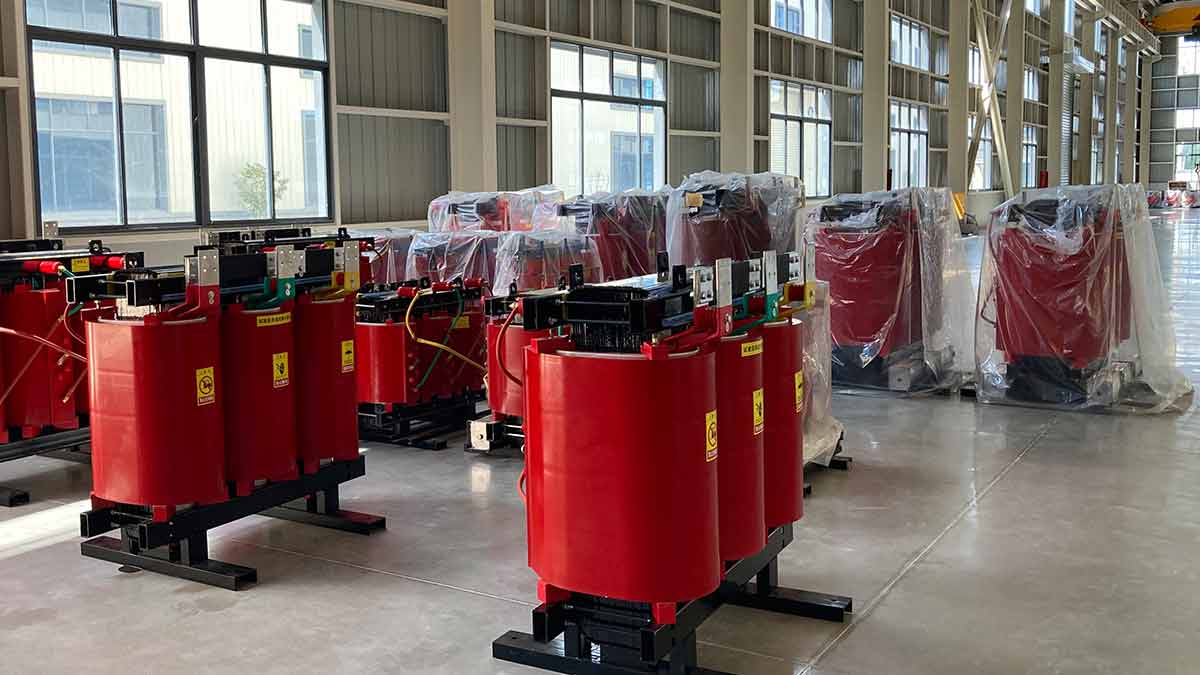
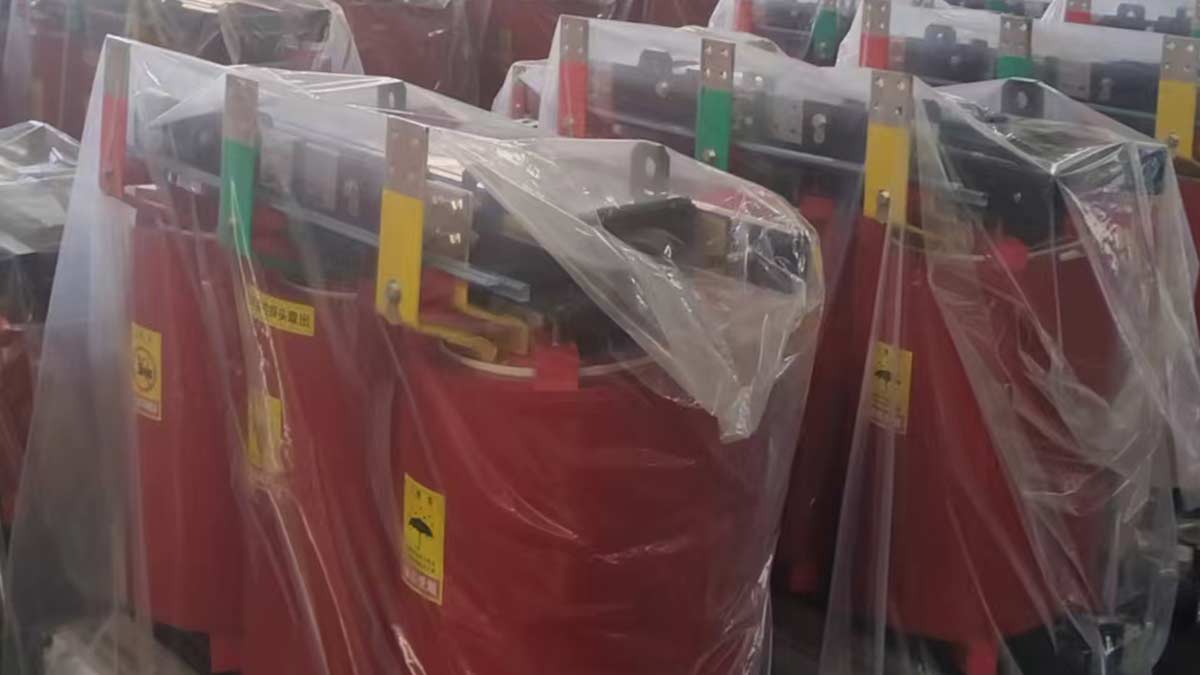
The development of dry cast resin transformers has emerged as a transformative solution for the power industry, addressing both energy waste and environmental concerns. Unlike traditional oil-immersed transformers, dry-type cast resin transformers leverage advanced materials and engineering—such as high-permeability silicon steel cores and epoxy resin casting technology—to minimize energy losses. These transformers reduce power consumption by up to 75% compared to conventional models, delivering substantial benefits for both businesses and the planet.
From a business perspective, the energy savings translate to significant operational cost reductions. For industrial facilities, commercial buildings, or data centers that rely on continuous power supply, low-loss dry-type transformers lower electricity bills, extend equipment lifespan, and reduce maintenance requirements (thanks to their fire-resistant, moisture-proof design). For power grid operators, these transformers enhance grid stability during peak load periods, reducing the risk of blackouts and improving overall energy distribution efficiency—directly addressing the summer peak electricity challenge.
Environmentally, the impact is equally profound. A single dry
cast resin transformer can reduce annual CO₂ emissions by thousands of tons, depending on its capacity. Scaled across industries, widespread adoption of these transformers would play a pivotal role in curbing greenhouse gas emissions, aligning with global climate agreements like the Paris Accord and national sustainability targets.
Today, dry cast resin transformers have gained widespread acceptance in the global market, trusted by enterprises, utilities, and infrastructure projects for their reliability, efficiency, and environmental performance. They are extensively used in critical applications such as high-rise buildings, hospitals, data centers, renewable energy plants (solar and wind), and industrial parks—where energy efficiency and safety are non-negotiable.
As the world grapples with rising energy demand and climate change, the role of energy-efficient transformers will only grow in importance. By investing in dry cast resin transformers, businesses not only reduce their operational costs but also demonstrate a commitment to environmental stewardship. For power grids, these transformers are a practical, scalable solution to mitigate summer peak load pressures, ensuring stable, sustainable electricity supply for communities and industries alike.
In the journey toward a low-carbon future, every technological innovation counts—and dry cast resin transformers stand out as a proven, impactful step forward for the power industry, environmental protection, and global sustainable development.