
How to solve the fault of power transformer?
A power transformer is a stationary electrical component critical to power distribution systems, designed to convert an input alternating current (AC) voltage or current into one or more output values of the same frequency. Its operational principle revolves around electromagnetic induction: when alternating current flows through the primary winding, it creates an alternating magnetic flux. This flux is then transmitted through the high-permeability iron core, inducing an alternating electromotive force in the secondary winding—enabling safe and efficient voltage regulation for industrial, commercial, and residential use.
While power transformers are engineered for long-term reliability, oil leakage remains a common issue that can compromise performance, pose safety risks, and lead to costly downtime. Below is a detailed breakdown of the most prevalent oil leakage scenarios, their root causes, and industry-proven resolution methods to ensure lasting protection.
Welding-Related Oil Leakage
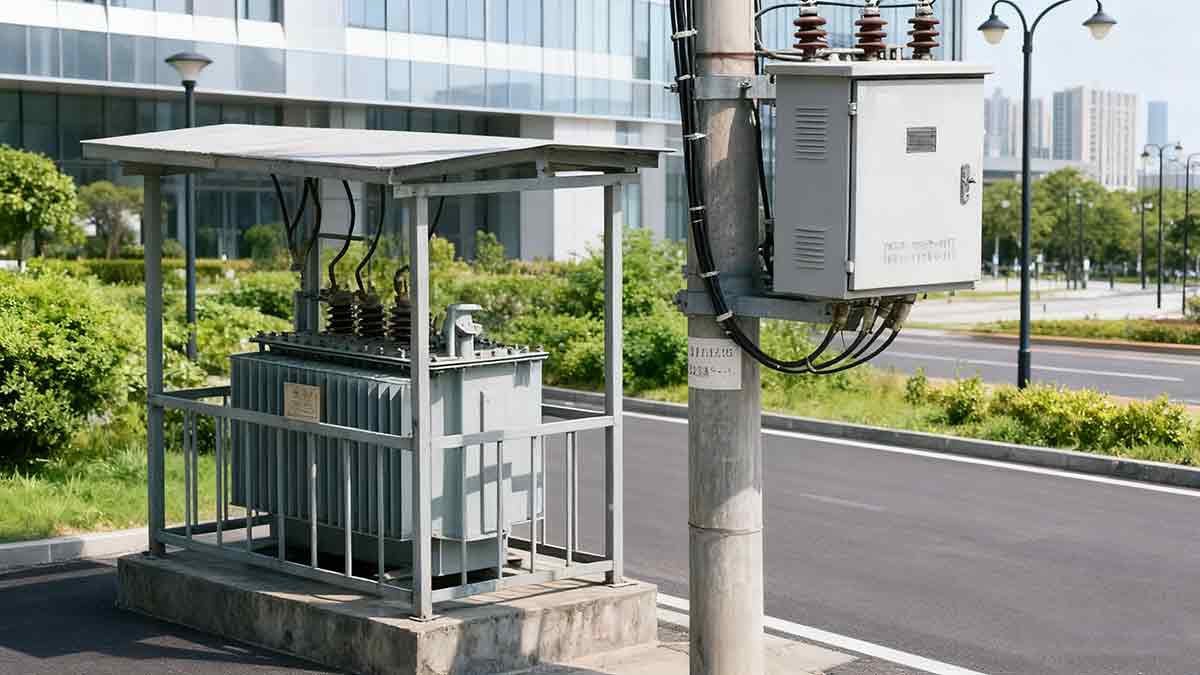
Welding defects are a primary culprit behind oil leakage in power transformers, often stemming from substandard craftsmanship during manufacturing. Common flaws include incomplete fusion (cold welding), weld separation, pinholes, and air bubbles within the weld seams. These issues are frequently hidden during factory inspections due to flux residues and protective paint coatings, only surfacing after the transformer is put into operation. Operational vibrations can exacerbate these latent defects, causing cracks to expand and oil to seep out over time.
Resolution Steps:
- Thorough Leak Detection: Conduct a meticulous inspection to identify all leakage points—even minor seepages should not be overlooked. Use tools like ultrasonic leak detectors or dye testing for precision, especially in hard-to-reach weld areas.
- Contain Immediate Leakage: For severe leaks, use metal tools such as flat chisels or sharp punches to gently deform the surrounding material, creating a temporary seal that reduces oil flow. This step helps minimize oil loss while preparing for permanent repairs.
- Surface Preparation: Clean the affected area thoroughly to remove oil, rust, paint, and debris. Use abrasive tools to achieve a rough surface texture, which enhances adhesion of the repair material.
- Permanent Sealing with Polymer Composites: Apply high-performance polymer composite materials formulated for electrical equipment. These materials offer excellent resistance to oil, temperature fluctuations, and mechanical stress. After proper curing (per manufacturer guidelines), the repair forms a durable, leak-proof bond that withstands long-term operational demands.
Seal-Related Oil Leakage
Seal failure at the transformer tank flange and cover interface is another common leakage source. This area typically uses oil-resistant rubber strips or gaskets to maintain a tight seal. Leakage occurs when joint preparation is inadequate—for example, using plastic tape for temporary binding or pressing the gasket ends together without proper alignment. During installation, improper rolling or compression can leave gaps, as the gasket fails to form a uniform seal under pressure, resulting in persistent oil seepage.
Resolution Steps:
- Assess Seal Condition: Inspect the rubber gasket or strip for wear, deformation, or damage. Replace any components that show signs of aging or deterioration, as compromised seals cannot be effectively repaired.
- Optimize Joint Bonding: Use Fuchslan adhesive (a specialized sealant for electrical equipment) to bond the gasket ends into a seamless, integrated joint. This eliminates gaps and ensures uniform compression across the entire interface.
- Reinforce with Metal Shell Bonding (If Accessible): For enhanced durability, apply the same adhesive to bond the metal shell around the seal interface. This creates a secondary barrier against leakage, particularly in high-vibration environments.
- Proper Installation and Torque: Reassemble the tank cover and flange, ensuring the gasket is correctly aligned. Tighten the bolts evenly using a torque wrench to achieve the manufacturer-specified pressure—avoid over-tightening, which can damage the gasket.
Flange Connection Oil Leakage
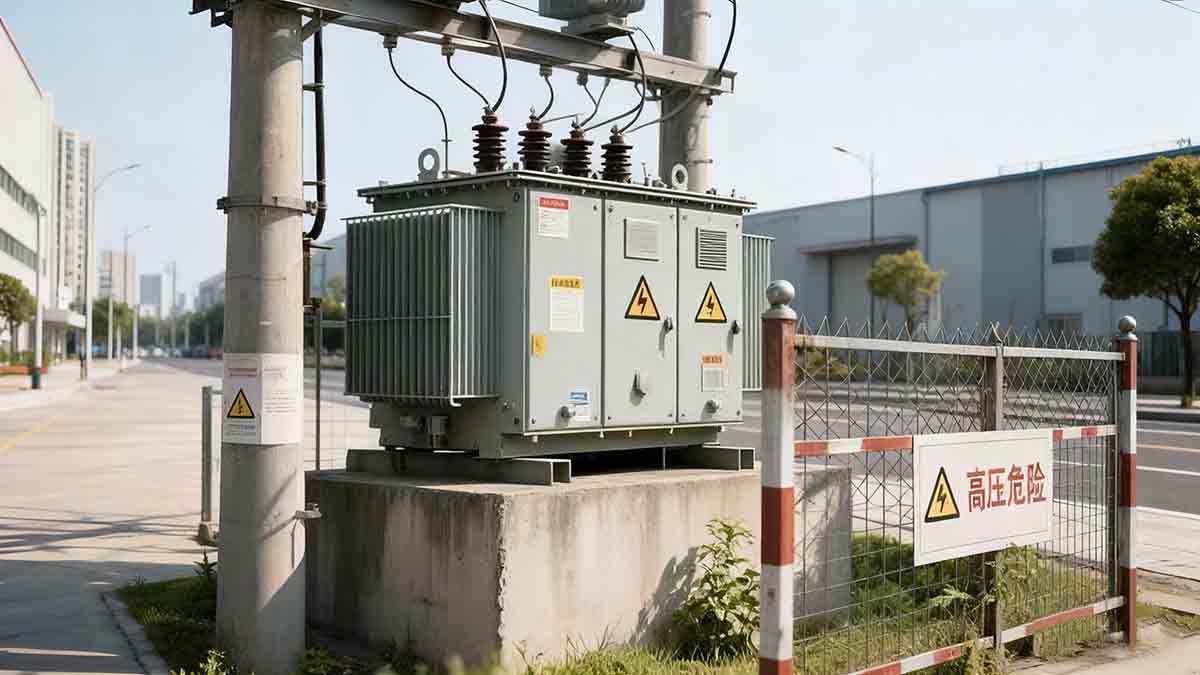
Oil leakage at flange connections often results from three key issues: uneven flange surfaces, loose fastening bolts, or incorrect installation procedures. Uneven flanges create gaps where oil can escape, while loose bolts fail to maintain sufficient compression on the gasket. Improper installation—such as misaligning the flange or tightening bolts in a random sequence—further exacerbates the problem, leading to inconsistent pressure distribution.
Resolution Steps:
- Inspect and Clean Flange Surfaces: Check the flange mating surfaces for irregularities, corrosion, or debris. Use a surface grinder or sandpaper to smooth uneven areas, ensuring a flat, clean contact surface for the gasket.
- Tighten Bolts per Protocol: Fasten loose bolts using a torque wrench, following a crisscross pattern to ensure even pressure. Refer to the transformer’s technical manual for the recommended torque value—over-tightening can warp the flange, while under-tightening leaves gaps.
- Re-Seal the Flange Interface: Apply a thin layer of high-temperature, oil-resistant sealant to the flange surface before reinstalling the gasket. This enhances the seal’s effectiveness, filling minor surface imperfections.
- Post-Repair Inspection: After tightening, conduct a pressure test or visual inspection to confirm no leakage. Monitor the connection for the first 24–48 hours of operation to ensure long-term stability.
Bolt or Pipe Thread Oil Leakage
Threaded connections—such as bolts, nuts, and pipe fittings—are prone to leakage if they are poorly manufactured or improperly sealed. Factory defects like rough thread cutting, inconsistent threading, or inadequate sealing during assembly can create pathways for oil to escape over time. Even properly manufactured threads may develop leaks due to operational vibrations that loosen fasteners or degrade conventional sealants.
Resolution Steps:
- Seal with Polymer Thread Sealants: Apply a specialized polymer thread sealant designed for high-oil environments. This material fills gaps in the threads, creates a flexible seal, and resists vibration-induced loosening.
- Enhanced Sealing with Fuchslan: For more severe leaks, remove the bolt or nut, clean the threads thoroughly with acetone to remove oil and debris, and apply Fuchslan release agent to the surface. Follow with the polymer sealant before re-tightening the fastener. The release agent prevents the sealant from bonding to the threads, allowing for future disassembly if needed.
- Replace Damaged Fasteners: If threads are severely worn, stripped, or corroded, replace the bolt or fitting with a new component that meets the transformer’s technical specifications. Ensure the replacement part is made of oil-resistant, corrosion-proof material.
Cast Iron Component Oil Leakage
Oil leakage from cast iron parts (such as the transformer tank or cover) is typically caused by manufacturing defects like sand holes (porosity) or cracks. Sand holes are small voids left in the casting process, while cracks may form due to thermal stress during operation or physical impact. These defects provide direct channels for oil to leak, and if left unaddressed, cracks can expand and compromise the structural integrity of the component.
Resolution Steps:
- Address Crack Leakage: For cracked cast iron, drill small “stop holes” at both ends of the crack to relieve internal stress and prevent further propagation. This step is critical to avoid the crack spreading during repair or operation.
- Temporary Leak Containment: Depending on the crack size, drive a soft lead wire into the leakage point or use a hand hammer to rivet the area gently. This creates a temporary seal that reduces oil flow during surface preparation.
- Surface Cleaning and Preparation: Clean the affected area with acetone to remove oil, rust, and debris. For sand holes, enlarge the void slightly with a drill to create a cavity that can be fully filled with sealant.
- Permanent Sealing: Apply a high-strength polymer composite material or specialized casting repair compound to the defect. For cracks, ensure the material penetrates the entire length of the crack; for sand holes, fill the cavity completely. Allow the material to cure fully per the manufacturer’s instructions for maximum durability.
Radiator Oil Leakage
Transformer radiators—responsible for heat dissipation—are often constructed from seamed steel pipes that are flattened and punched to form cooling fins. Leakage commonly occurs at pipe bends or welded joints, primarily due to residual stress from the manufacturing process. When pipes are punched, the outer wall is subjected to tensile forces, while the inner wall experiences compressive stress—this imbalance creates weak points that can develop leaks over time, especially under thermal cycling.
Resolution Steps:
- Isolate the Radiator: Close the upper and lower butterfly valves (flat valves) of the radiator to separate the oil inside the radiator from the main transformer tank. This reduces pressure in the radiator, minimizing oil leakage during repair.
- Locate and Prepare the Leak Site: Identify the exact leakage point (typically at bends or welds) and clean the area thoroughly. Remove rust, oil, and paint using abrasive tools, ensuring the surface is dry and free of contaminants.
- Seal with Fuchslan Material: Apply Fuchslan adhesive—a high-performance sealant ideal for metal-to-metal bonds in oil-rich environments—to the leak site. For larger leaks, reinforce the seal with a metal patch bonded to the pipe surface using the same adhesive.
- Test and Reconnect: After the sealant cures, open the butterfly valves gradually and monitor the radiator for leakage. Conduct a pressure test if necessary to verify the repair’s effectiveness before returning the transformer to full operation.
Porcelain Bottle and Glass Oil Gauge Leakage
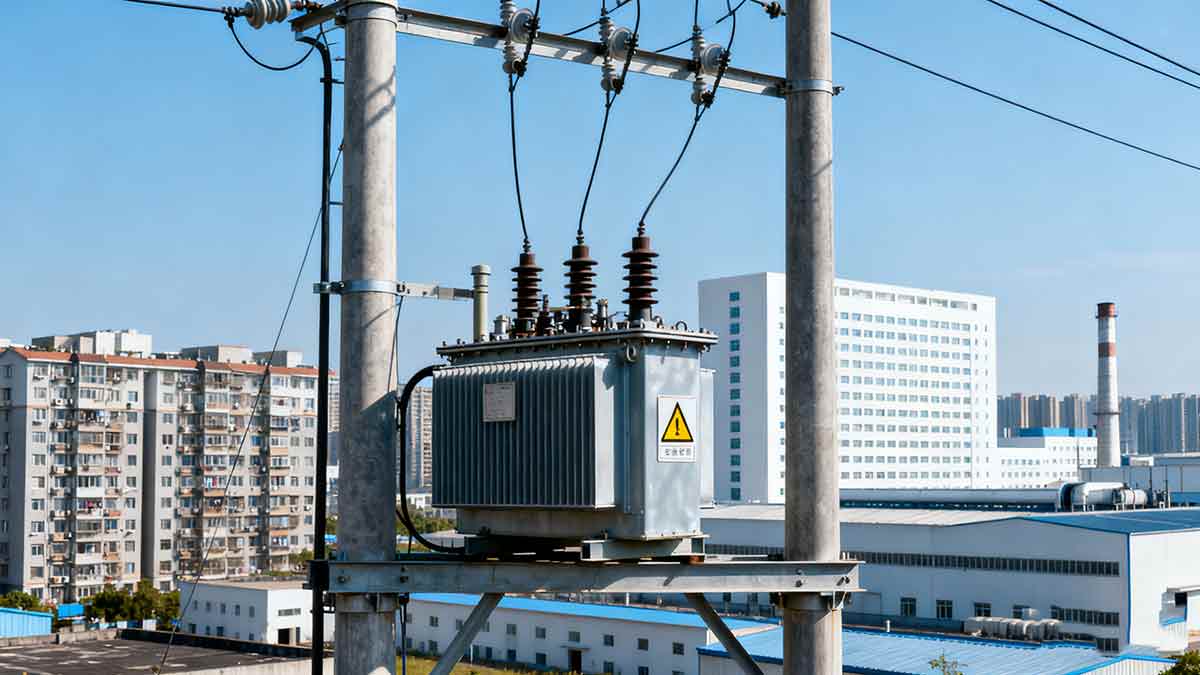
Leakage from porcelain bottles (insulators) or glass oil gauges is typically attributed to improper installation or seal degradation. Porcelain insulators are often mounted with metal fittings, and misalignment during installation can create gaps between the porcelain and metal surfaces. Glass oil gauges rely on rubber seals that deteriorate over time due to exposure to oil, temperature fluctuations, and UV radiation—leading to seal failure and oil seepage.
Resolution Steps:
- Inspect and Replace Seals: For glass oil gauges, remove the gauge and replace the worn rubber seal with a new oil-resistant gasket that matches the gauge’s specifications. Ensure the gasket is properly aligned to avoid gaps.
- Bond Porcelain-Metal Interfaces: For porcelain bottle leaks, use a high-performance polymer composite material capable of bonding dissimilar materials (porcelain, metal, glass). Clean the interface between the porcelain and metal fitting, apply the composite material, and reattach the fitting securely. The material forms a flexible, oil-resistant bond that compensates for minor misalignments.
- Verify Installation: Ensure all components are installed per the transformer’s technical manual. For porcelain bottles, check that the fitting is tightened evenly to avoid cracking the porcelain; for glass gauges, ensure the gauge is seated firmly without over-tightening.
- Post-Repair Inspection: Monitor the repaired components for 24–48 hours to confirm no leakage. Clean any residual oil from the surface to facilitate future leak detection.
By addressing oil leakage through these targeted, industry-approved methods, power transformer operators can ensure optimal performance, extend equipment lifespan, and minimize safety hazards. Regular preventive maintenance—including routine leak inspections, seal replacements, and surface cleaning—can further reduce the risk of leakage, keeping transformers operating reliably for years to come.