Is a 75kVA Transformer Right for Your Project?
Grappling with selecting the correct transformer size for your project? You’re not alone—even seasoned engineers and project managers often face uncertainty when choosing a transformer that aligns with their needs. Opting for the wrong size can lead to energy inefficiency, inflated costs, or even catastrophic system failures.
At Lihe Transformer—your trusted manufacturer of high-performance transformers—we specialize in demystifying sizing decisions. Our 75kVA transformers are engineered for versatility, excelling in small-to-medium commercial buildings, light industrial facilities, and large residential complexes. Capable of handling diverse load types and adaptable to both indoor and outdoor installations, our 75kVA units are designed to balance current power demands, load profiles, and future expansion plans.
In this guide, Lihe Transformer breaks down how to determine if a 75kVA transformer is the right fit for your project. We’ll explore the practical meaning of the 75kVA rating, typical applications, load type considerations, installation scenarios, sizing comparisons with 50kVA/100kVA units, and critical pitfalls to avoid. Whether you’re working on a residential, commercial, or light industrial project, this resource will empower you to make an informed decision.
1 What Does a 75kVA Rating Mean in Practice?
Ever wondered how transformer kVA ratings translate to real-world performance? Understanding this is pivotal to selecting the right unit—and at Lihe Transformer, we frequently guide clients through this confusion. So, what does a 75kVA rating actually deliver for your project?
A 75kVA rating denotes the transformer’s ability to supply 75,000 volt-amperes (apparent power). In practical terms, this translates to approximately 60kW of real power (usable energy) when accounting for a typical power factor of 0.8—a standard in most commercial and industrial settings. Lihe Transformer’s 75kVA units are calibrated to deliver this capacity reliably, supporting everything from lighting and HVAC systems to small-scale industrial machinery.
Decoding the 75kVA Rating with Lihe Transformer
Let’s break down the key implications of a 75kVA rating and how it applies to your operations:
- Apparent vs. Real Power: kVA measures total supplied power, while kW (real power) is the energy actually used to perform work. The gap between them is determined by power factor—a critical metric Lihe’s engineers optimize for each client’s unique load profile.
- Power Factor Realities: Most installations operate with a power factor between 0.8 and 0.9. Lihe’s 75kVA transformers, when paired with our power factor correction solutions, can boost usable power to nearly 68kW (at 0.9 PF), maximizing efficiency.
- Practical Load Capacity: A Lihe 75kVA transformer can comfortably power:
- Lighting and HVAC for a 10,000–15,000 sq ft office building
- A small apartment complex (6–12 units) with modern appliances and EV charging
- Mixed equipment in a light manufacturing workshop (e.g., pumps, conveyors, and tools)
- Voltage-Current Relationship: Using the formula kVA = (Voltage × Current) / 1000, a Lihe 75kVA transformer delivers approximately 312 amps at 240V—enough to support multiple high-demand devices simultaneously.
| Aspect | Value | Lihe Transformer Insights |
|---|---|---|
| Apparent Power | 75kVA | Total power capacity (Lihe’s standard rating) |
| Real Power (0.8 PF) | 60kW | Usable energy for typical applications |
| Real Power (0.9 PF) | 67.5kW | With Lihe’s power factor correction |
| Max Current (240V) | 312A | Total available amperage |
| Residential Equivalent | ~15–20 homes | Based on average U.S. household consumption |
Lihe Transformer’s engineering team often encounters clients who assume kVA directly equals usable kW. For example, a small manufacturing client once requested a 75kVA transformer to power 75kW of equipment—only to learn their low power factor (0.7) reduced usable capacity to 52.5kW. Our team resolved this by integrating power factor correction capacitors, allowing the 75kVA unit to meet their needs without upsizing.
Harmonics also impact capacity: in a recent data center project, Lihe specified a K-rated 75kVA transformer to handle non-linear server loads, preventing overheating and extending equipment life. Additionally, our 75kVA units feature short-term overload capacity (up to 100kVA for brief periods), making them ideal for applications with fluctuating demand.
2 Typical Applications: Residential, Commercial, Light Industrial?
Wondering if a 75kVA transformer aligns with your project type? Lihe Transformer’s 75kVA units are engineered for versatility, excelling in residential, commercial, and light industrial settings. The key is matching the transformer’s capabilities to your specific load demands and operational needs.
Lihe’s 75kVA transformers power large homes, small apartment complexes, offices, retail spaces, and light workshops—delivering reliable performance across diverse use cases. Below, we break down their typical applications and how Lihe tailors solutions to each sector.
Lihe 75kVA Transformer Applications by Sector
- Residential Settings:
- Luxury single-family homes (5,000+ sq ft) with high-end appliances, home automation, and EV charging.
- Small-to-medium apartment buildings (6–12 units) with shared amenities (e.g., gyms, laundry rooms).
- Lihe’s compact pad-mounted 75kVA transformers are a favorite for residential developments, blending seamlessly with landscaping while delivering consistent power.
- Commercial Spaces:
- Small-to-medium offices (10,000–20,000 sq ft) with HVAC, lighting, and IT equipment.
- Retail stores, restaurants, and small hotels—where consistent power supports customer experience.
- Medical clinics: Lihe’s isolated 75kVA transformers ensure stable power for sensitive diagnostic equipment.
- Light Industrial Facilities:
- Small manufacturing workshops with motors, conveyors, and tools.
- Warehouses with material handling equipment and climate control.
- Agricultural operations (greenhouses, small farms) powering irrigation, lighting, and machinery.
- Mixed-Use Developments:
- Buildings with ground-floor retail and upper-floor residences—Lihe’s 75kVA units balance diverse load profiles (daytime retail, evening residential).
- Small business parks with multiple tenants, offering flexibility for changing occupancy needs.
| Sector | Typical Application | Lihe Transformer Advantages |
|---|---|---|
| Residential | Luxury homes, 6–12 unit apartments | Compact design, quiet operation, EV-ready |
| Commercial | Offices, retail, small hotels | Efficient, reliable, easy maintenance |
| Light Industrial | Small workshops, warehouses | Durable, handles motor loads, harmonic-resistant |
| Mixed-Use | Retail + residential buildings | Balances diverse load schedules |
Lihe Transformer’s versatility shines in real-world projects. For a luxury housing development, we supplied 75kVA units to power each home’s EV charger, smart home system, and high-efficiency HVAC—ensuring peak performance even during simultaneous high demand. In a small business park, our 75kVA transformers supported a mix of offices, a café, and a light assembly workshop, adapting to varying load patterns without issues.
In agricultural settings, Lihe’s 75kVA transformers excel at powering greenhouses: one client’s facility used our unit to run LED grow lights, climate control, and irrigation pumps—delivering consistent power to maximize crop yield. For restaurants, our units handle the unique load of kitchen equipment (e.g., ovens, refrigerators) and HVAC, ensuring no disruptions during peak hours.
3 Load Types: Resistive, Inductive, Mixed?
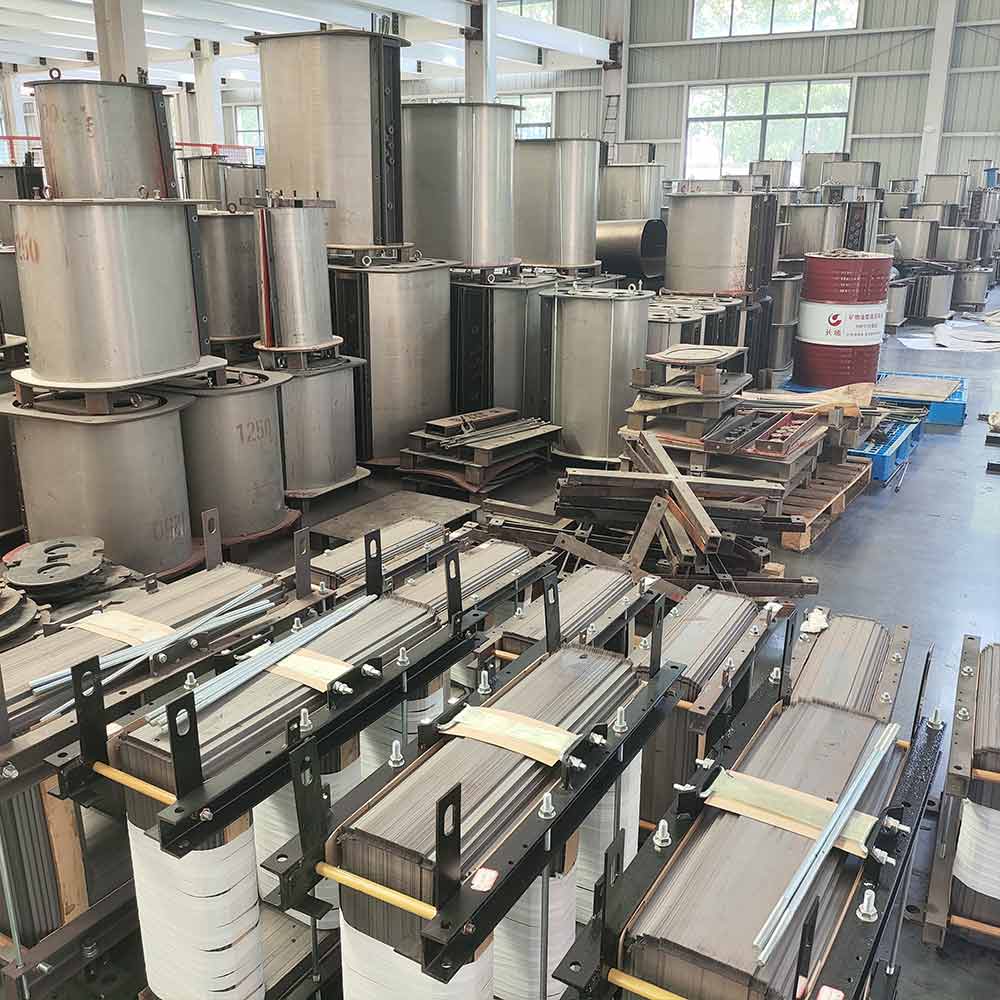
How do different load types impact your 75kVA transformer’s performance? At Lihe Transformer, we emphasize that understanding load characteristics is just as critical as sizing—resistive, inductive, and mixed loads each place unique demands on the transformer, affecting efficiency and longevity.
Lihe’s 75kVA transformers are engineered to handle all load types, but optimizing performance requires matching the unit to your specific load profile. Below, we break down how each load type interacts with a 75kVA transformer and Lihe’s solutions for maximum efficiency.
Load Types & Lihe Transformer Performance
- Resistive Loads:
- Draw only real power (kW) with a power factor near 1.0. Examples include heating elements, incandescent lighting, and electric water heaters.
- Lihe’s 75kVA transformers excel here, as nearly all capacity translates to usable power. For a large greenhouse, our unit efficiently powered resistive heating systems, delivering 75kW of real power (no reactive power waste).
- Inductive Loads:
- Consume both real and reactive power, resulting in lower power factors (0.7–0.9). Examples include motors, pumps, fans, and fluorescent lighting ballasts.
- Inductive loads require more apparent power (kVA) for the same real power. A 75kVA Lihe transformer can deliver ~60kW to inductive loads (0.8 PF)—we often recommend power factor correction to boost capacity.
- Mixed Loads:
- Combine resistive and inductive elements (most common in real-world applications). Power factors typically range from 0.85–0.9.
- Lihe’s 75kVA transformers are calibrated for mixed loads, balancing efficiency and capacity. For offices (lighting + HVAC + computers), our units deliver ~64–67kW of real power.
| Load Type | Power Factor | Real Power from 75kVA (Lihe) | Key Considerations |
|---|---|---|---|
| Resistive | 1.0 | 75kW | Most efficient use of capacity |
| Inductive | 0.7–0.9 | 52.5–67.5kW | Use Lihe’s power factor correction |
| Mixed | 0.85–0.9 | 63.75–67.5kW | Ideal for most commercial/industrial projects |
A small manufacturing client once struggled with a 75kVA transformer underperforming—Lihe’s team discovered 60% of their load was inductive (motors), dropping the power factor to 0.75. We installed a capacitor bank, boosting the power factor to 0.9 and increasing usable capacity from 56kW to 67.5kW—eliminating the need for a larger transformer.
For harmonic-rich loads (e.g., data centers), Lihe offers K-rated 75kVA transformers that withstand non-linear current distortion, preventing overheating and extending service life. Our engineers also account for motor starting currents, ensuring 75kVA units handle inrush demands without voltage dips (e.g., using soft starters for large motors).
4 Indoor vs Outdoor Installation Scenarios?
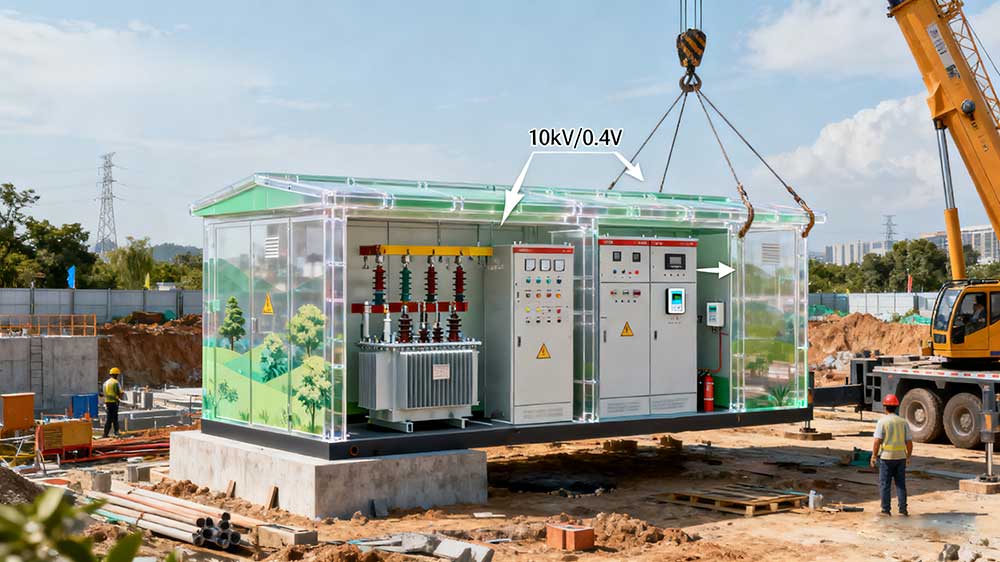
Should you install your 75kVA transformer indoors or outdoors? Lihe Transformer’s 75kVA units are designed for both environments, but the choice depends on space constraints, environmental conditions, safety requirements, and accessibility needs. Our team tailors each installation to your project’s unique context, ensuring optimal performance and longevity.
Below, we break down the key considerations for indoor and outdoor installations, along with Lihe’s specialized solutions for each scenario.
Lihe 75kVA Transformer: Indoor vs Outdoor Installations
- Indoor Installations:
- Ideal for commercial buildings, industrial facilities, and data centers—where protection from the elements and noise control are critical.
- Lihe’s indoor 75kVA transformers feature enclosed designs with advanced ventilation (or forced-air cooling) to manage heat. They comply with fire safety standards (e.g., UL 1561) and include noise-reduction features for occupied spaces.
- Applications: Office basements, factory electrical rooms, data center server floors.
- Outdoor Installations:
- Suited for utility distribution, residential developments, and sites with limited indoor space.
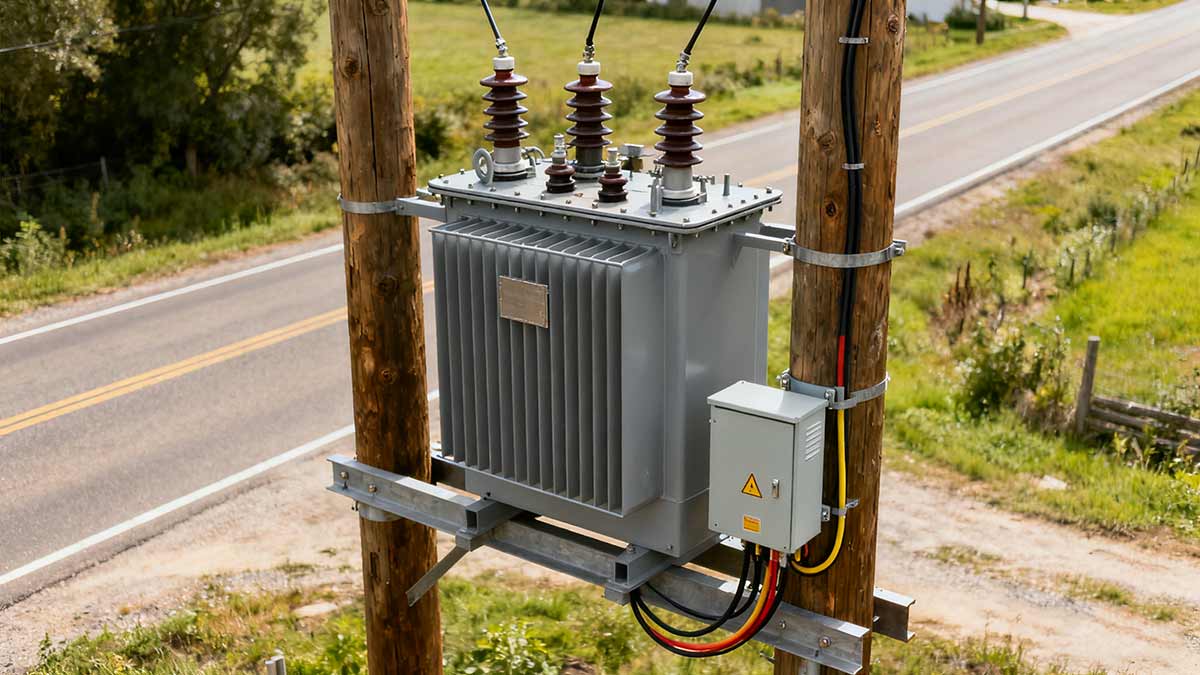
- Lihe’s outdoor 75kVA units (pad-mounted or pole-mounted) feature weatherproof enclosures, corrosion-resistant materials, and lightning protection. Pad-mounted models are landscapable, while pole-mounted units save ground space.
- Applications: Residential neighborhoods, rural industrial sites, retail parking lots.
| Factor | Indoor Installation (Lihe Solutions) | Outdoor Installation (Lihe Solutions) |
|---|---|---|
| Environmental Protection | Controlled environment; fire-rated enclosures | Weatherproof, corrosion-resistant enclosures; lightning arresters |
| Space Requirements | Dedicated electrical room (Lihe compact designs save space) | Pad-mounted: 10x10ft clearance; pole-mounted: utility pole access |
| Cooling | HVAC-integrated or forced-air cooling | Natural convection or fan-assisted cooling |
| Noise Control | Sound-dampening enclosures (≤65dB) | Low-noise designs (suitable for residential areas) |
| Safety Measures | Fire suppression, ventilation, lockable enclosures | Fencing, warning labels, anti-vandal features |
Lihe Transformer’s installation expertise shines in diverse projects. For a high-rise office building with limited space, we installed a compact indoor 75kVA transformer in the basement, integrating it with the building’s HVAC system for efficient cooling. In a coastal residential development, our corrosion-resistant outdoor 75kVA units with elevated pads prevented flood damage and withstood salt air exposure.
For indoor installations in occupied spaces (e.g., mixed-use buildings), Lihe uses vibration-isolation mounts and sound-absorbing materials to keep noise levels below 60dB. For remote outdoor sites, our units include remote monitoring capabilities, allowing clients to track performance without on-site visits.
5 When to Use 75kVA Instead of 100kVA or 50kVA?
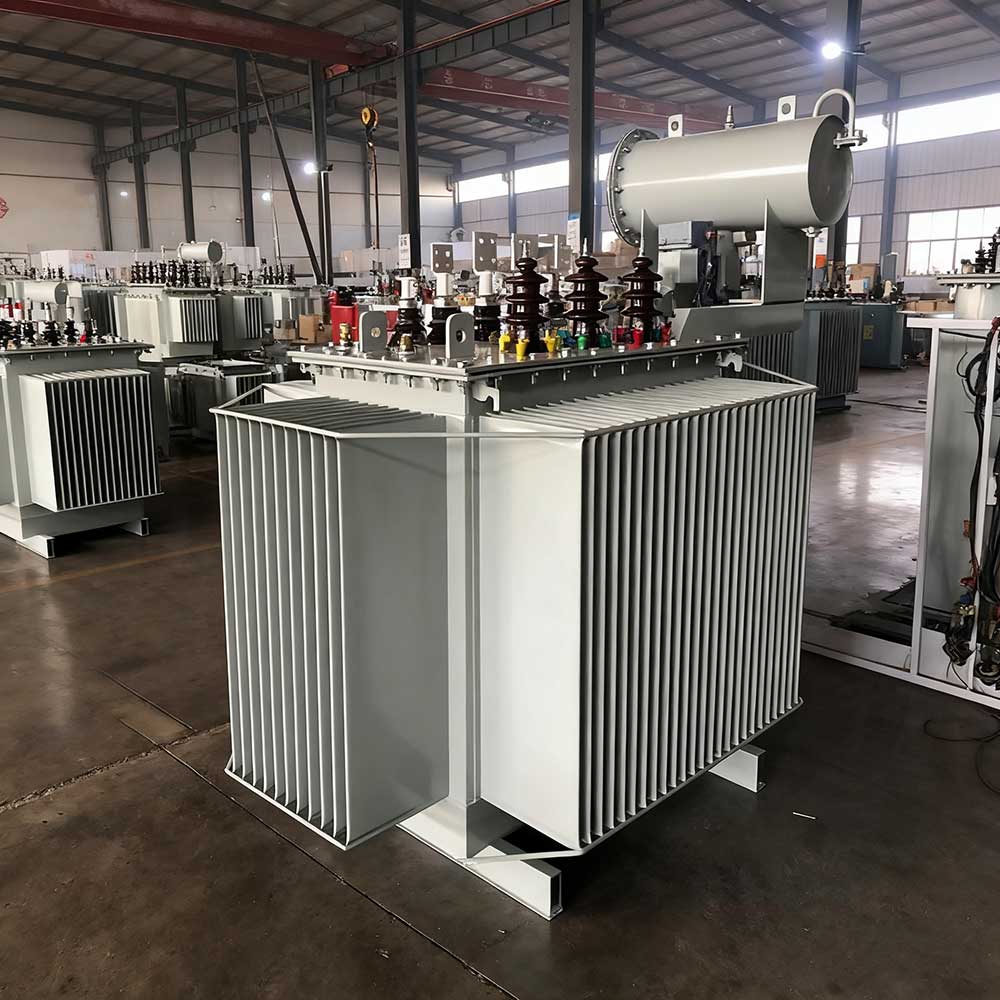
Choosing between 50kVA, 75kVA, and 100kVA transformers? Lihe Transformer’s engineering team emphasizes that the right size balances current load demands, future growth, efficiency, and cost. A 75kVA unit is the sweet spot for many projects—but knowing when to opt for it over 50kVA or 100kVA is key to avoiding inefficiency or costly upgrades.
Below, we compare Lihe’s 50kVA, 75kVA, and 100kVA transformers, helping you determine which size aligns with your project’s needs.
Lihe Transformer Size Comparison: 50kVA vs 75kVA vs 100kVA
- Choose 75kVA When:
- Your current load is 50–70kVA with moderate growth plans (10–20% increase).
- You need versatility for mixed loads (residential/commercial/industrial).
- Efficiency matters: Lihe’s 75kVA units operate at peak efficiency (97–99%) when loaded to 50–70% of capacity.
- Choose 50kVA Instead When:
- Your load is stable (35–50kVA) with no expansion plans.
- Space and cost are critical: 50kVA units are smaller and more affordable for light loads.
- Choose 100kVA Instead When:
- Your load exceeds 70kVA or you anticipate significant growth (20%+ increase).
- You have high inrush currents (e.g., large motors) or harmonic-rich loads.
| Factor | Lihe 50kVA | Lihe 75kVA | Lihe 100kVA |
|---|---|---|---|
| Ideal Load Range | 35–50kVA (stable, no growth) | 50–70kVA (moderate growth) | 75–100kVA (significant growth) |
| Future Expansion | Limited (up to 10% load increase) | Moderate (10–20% load increase) | Significant (20%+ load increase) |
| Efficiency at 50kVA Load | 98–99% (optimal) | 97–98% (good) | 95–96% (lower, due to oversizing) |
| Initial Cost | Lowest | Medium | Highest |
| Overload Risk | High (for growing loads) | Moderate | Low |
Lihe Transformer’s clients often benefit from our load analysis expertise. For example, a small office client initially considered a 50kVA transformer for their 45kVA load—but after discussing plans to add EV charging and expand their server room (projected 15% load increase), we recommended a 75kVA unit. This avoided a costly upgrade 2 years later.
For a retail client with seasonal peaks (50kVA average, 70kVA holiday peaks), Lihe’s 75kVA transformer handled peak demand without oversizing for normal operations—saving on energy costs (oversized transformers waste power on core losses). In contrast, a manufacturing client with plans to double their equipment chose a 100kVA unit to accommodate future growth.
Energy efficiency is another key factor: Lihe’s 75kVA transformers achieve 98% efficiency at 60% load (36kW), outperforming 100kVA units (95% efficiency at the same load). For eco-friendly projects, this translates to significant long-term energy savings.
6 Common Mistakes When Sizing Based on kVA Alone?
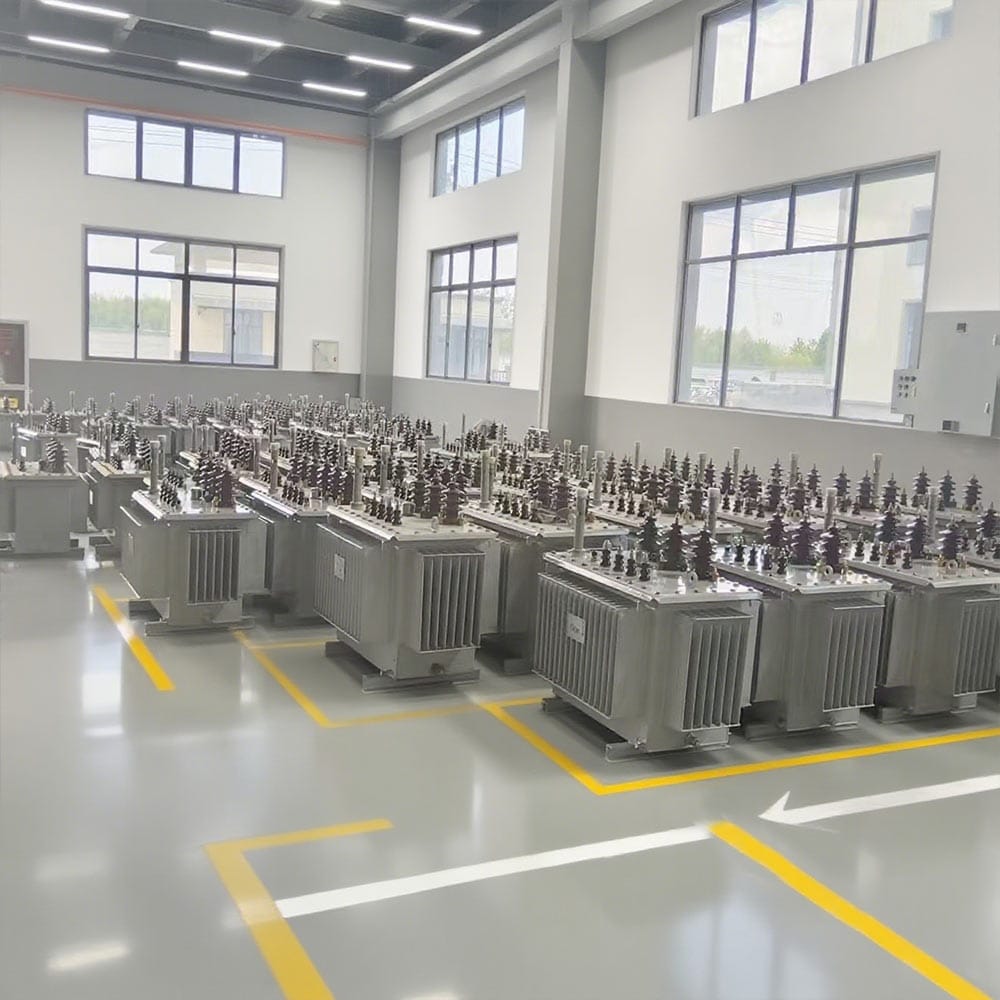
Relying solely on kVA ratings to size your transformer is a costly mistake—one Lihe Transformer frequently corrects for clients. While kVA is a critical metric, ignoring power factor, harmonics, load diversity, and future growth can lead to undersized, inefficient, or prematurely failing transformers.
Below, we outline the most common sizing pitfalls and how Lihe’s engineering team helps clients avoid them—ensuring your 75kVA transformer (or any size) delivers optimal performance.
Critical Pitfalls & Lihe’s Solutions
- Ignoring Power Factor:
- Mistake: Assuming 75kVA = 75kW. A low power factor (e.g., 0.7) reduces usable power to 52.5kW, leading to overloads.
- Lihe’s Fix: Conduct load analysis to calculate actual power factor; integrate correction capacitors to boost usable capacity.
- Overlooking Harmonic Loads:
- Mistake: Non-linear loads (servers, LEDs, variable-speed drives) generate harmonics, causing overheating in standard transformers.
- Lihe’s Fix: Specify K-rated 75kVA transformers for harmonic-rich environments, preventing premature failure.
- Neglecting Load Diversity:
- Mistake: Sizing based on total connected load (e.g., 75kVA for 75kVA of equipment), ignoring that not all loads operate simultaneously.
- Lihe’s Fix: Apply diversity factors (typically 0.7–0.9) to calculate actual peak demand—often allowing a 75kVA unit to replace a 100kVA.
- Failing to Plan for Growth:
- Mistake: Sizing for current load only, requiring expensive upgrades later.
- Lihe’s Fix: Recommend 75kVA for 50–70kVA current loads, providing a 10–20% buffer for expansion (e.g., EV charging, new equipment).
- Underestimating Motor Starting Currents:
- Mistake: Sizing for running load, not inrush current (motors draw 3–5x their running current on startup).
- Lihe’s Fix: Factor in starting currents or recommend soft starters to reduce inrush, allowing 75kVA units to handle larger motors.
| Mistake | Consequence | Lihe’s Preventive Solution |
|---|---|---|
| Ignoring Power Factor | Undersized capacity, overloads | Power factor analysis + correction systems |
| Overlooking Harmonics | Overheating, reduced lifespan | K-rated transformers for non-linear loads |
| Neglecting Load Diversity | Oversized, inefficient transformer | Detailed load studies + diversity factor application |
| Disregarding Growth | Premature upgrades, downtime | 10–20% capacity buffer in sizing |
| Underestimating Inrush | Voltage dips, equipment damage | Soft starters + inrush current analysis |
A recent client nearly sized a 100kVA transformer for their 80kVA connected load—Lihe’s load study revealed load diversity reduced peak demand to 65kVA, allowing a 75kVA unit to suffice (saving $5,000 upfront). Another client’s 75kVA transformer was overheating due to harmonic-rich server loads—we replaced it with a Lihe K-rated 75kVA unit, resolving the issue without upsizing.
7 Conclusion
Selecting the right transformer size—especially a 75kVA unit—requires more than just kVA calculations. At Lihe Transformer, we emphasize understanding load types, installation environments, growth plans, and efficiency needs to ensure your transformer delivers reliable, cost-effective performance.
Lihe’s 75kVA transformers are the versatile choice for residential, commercial, and light industrial projects—offering the perfect balance of capacity, efficiency, and flexibility. By avoiding common sizing pitfalls (e.g., ignoring power factor or load diversity) and leveraging our engineering expertise, you can trust that your 75kVA unit will meet current demands and adapt to future growth.
Whether you’re powering a luxury home, office building, or small workshop, Lihe Transformer’s 75kVA units are engineered to exceed industry standards—backed by our commitment to quality, customization, and customer satisfaction. Contact us today to learn how we can tailor a 75kVA transformer solution to your project’s unique needs.




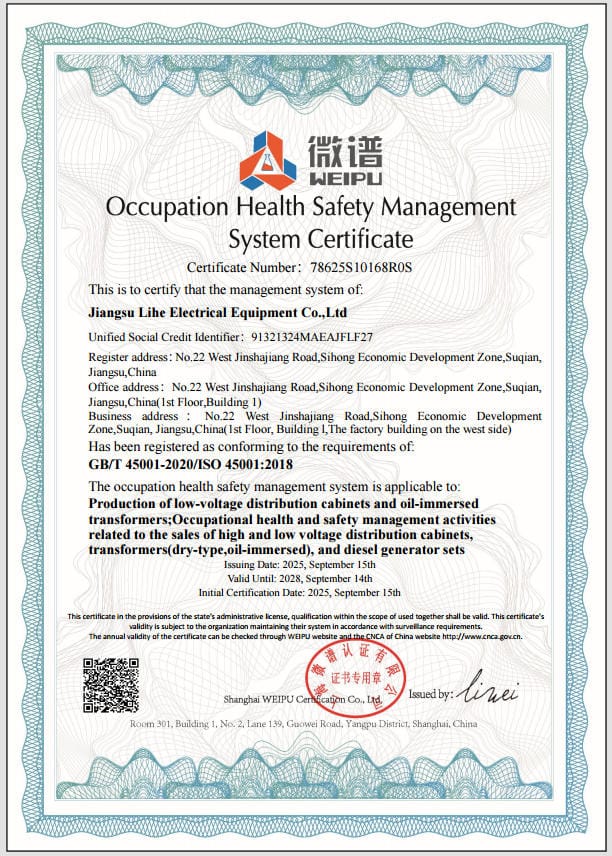
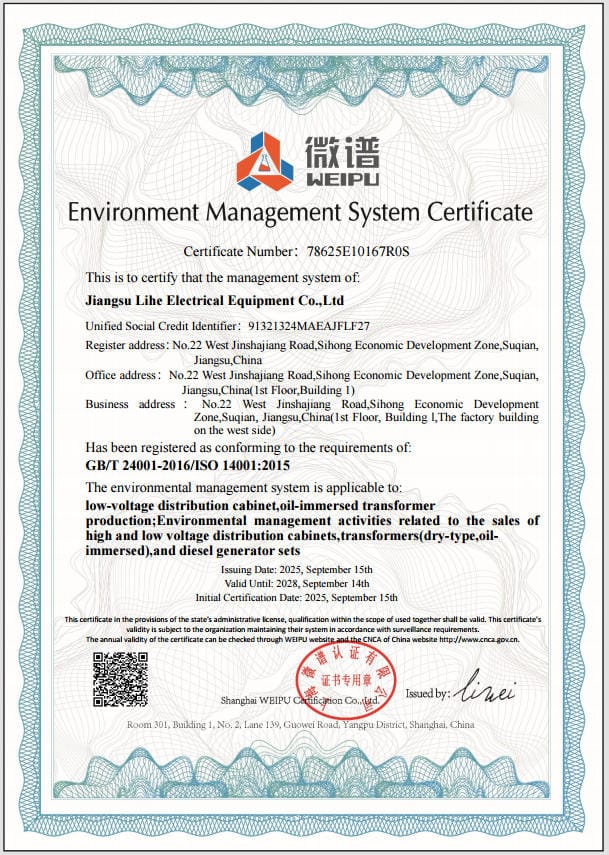
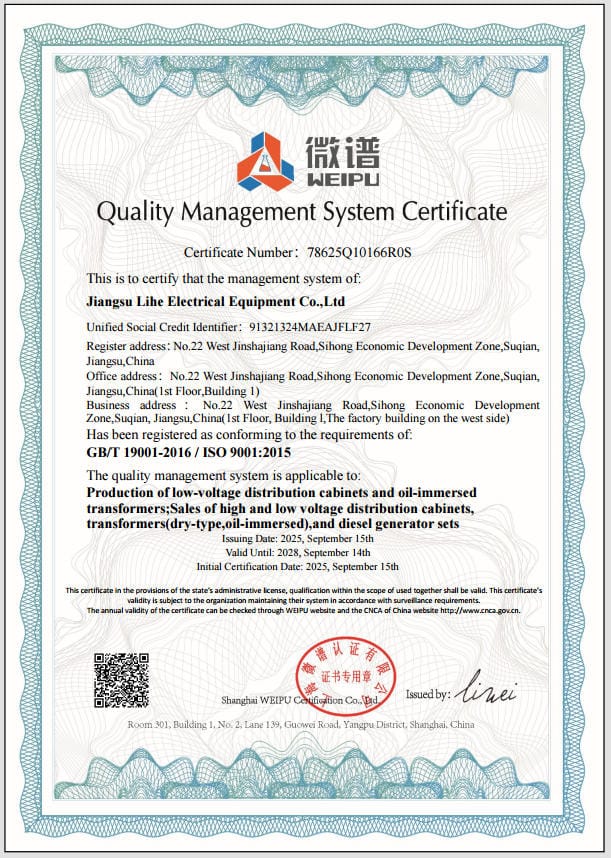
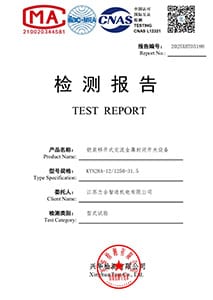
CERTIFICATE



Related Products

Compact Box Transformer Substation for Urban Areas
Transformer BoxBox Type Prefabricated Transformer Substations for Residential
Transformer Box250 KVA European-style Box-type Transformer Substation
Transformer Box500 kva Compact Substation Green Transformer Box
Transformer Box