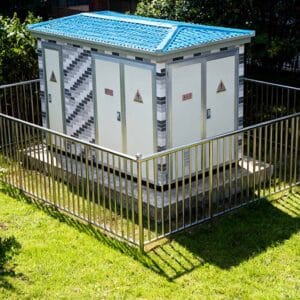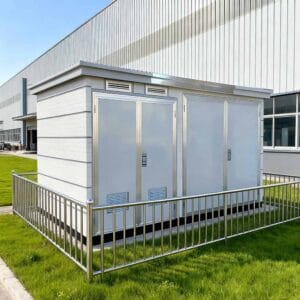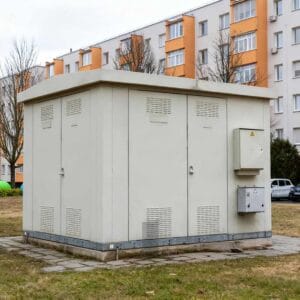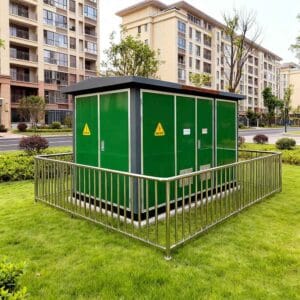
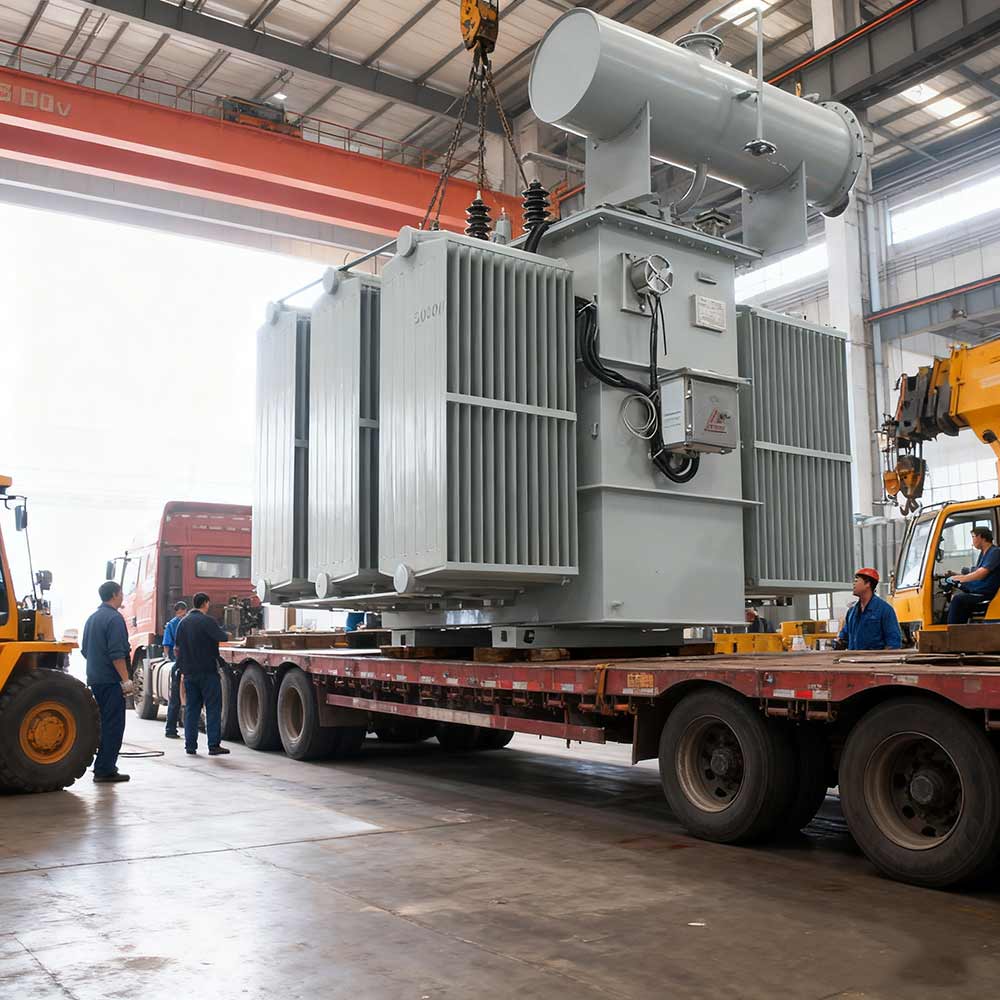
Oil Immersed 5000kva Substation Transformer for Heavy Duty
FAQ About 5000kva Substation Transformer
What is a 5000kVA substation transformer and its core application scenarios?
A 5000kVA substation transformer is a key electrical equipment that converts voltage levels through electromagnetic induction, with an apparent power rating of 5000 kilovolt-amperes. It serves as a critical link in power transmission and distribution systems, bridging high-voltage grid power and medium/low-voltage end-user demands . Its core application scenarios include urban 35kV-110kV distribution networks, industrial and mining enterprises with large power loads (such as manufacturing plants and mines), large commercial complexes, data centers, and supporting power supply for new energy projects like EV charging stations . It ensures stable power supply for high-power equipment and multiple users by regulating voltage and isolating circuits.
How to select the right 5000kVA substation transformer?
Selecting a 5000kVA substation transformer requires careful consideration of load characteristics, voltage matching, and environmental conditions. First, confirm the load type: continuous loads (e.g., industrial production lines) require full-capacity matching, while intermittent loads allow appropriate adjustments. Second, match the voltage level with the grid (primary voltage, such as 12kV/35kV) and user needs (secondary voltage, such as 0.4kV/480V), and select a tap changer with ±5% or ±10% voltage regulation range to adapt to grid fluctuations. Additionally, consider short-circuit impedance (6%-10% for 35kV and below), winding connection group (Dyn11 for harmonic-rich environments, Yyn0 for general industrial loads), and cooling method (oil-immersed for outdoor, dry-type for indoor fire protection requirements). A 20%-30% capacity margin should also be reserved to accommodate future load growth.
What are the differences between oil-immersed and dry-type 5000kVA substation transformers?
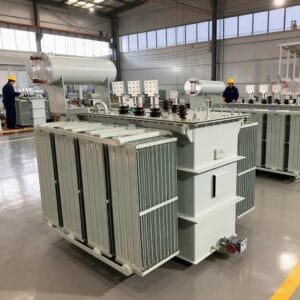
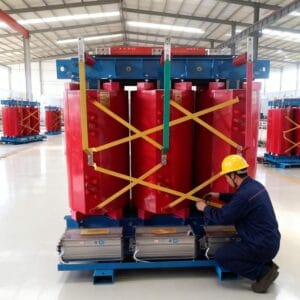
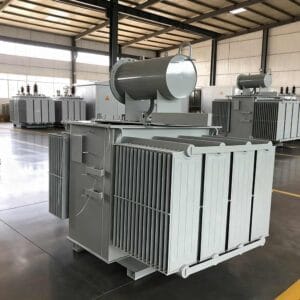
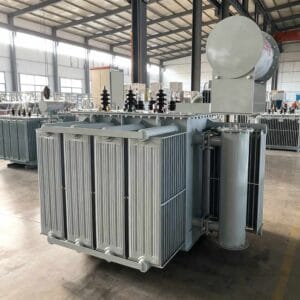
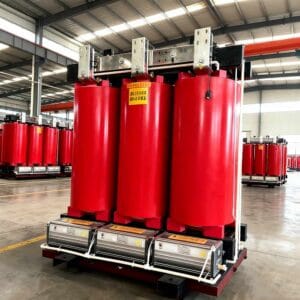
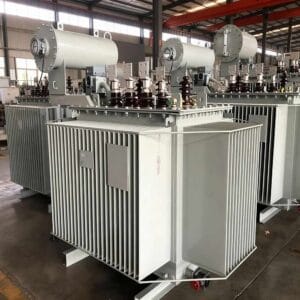
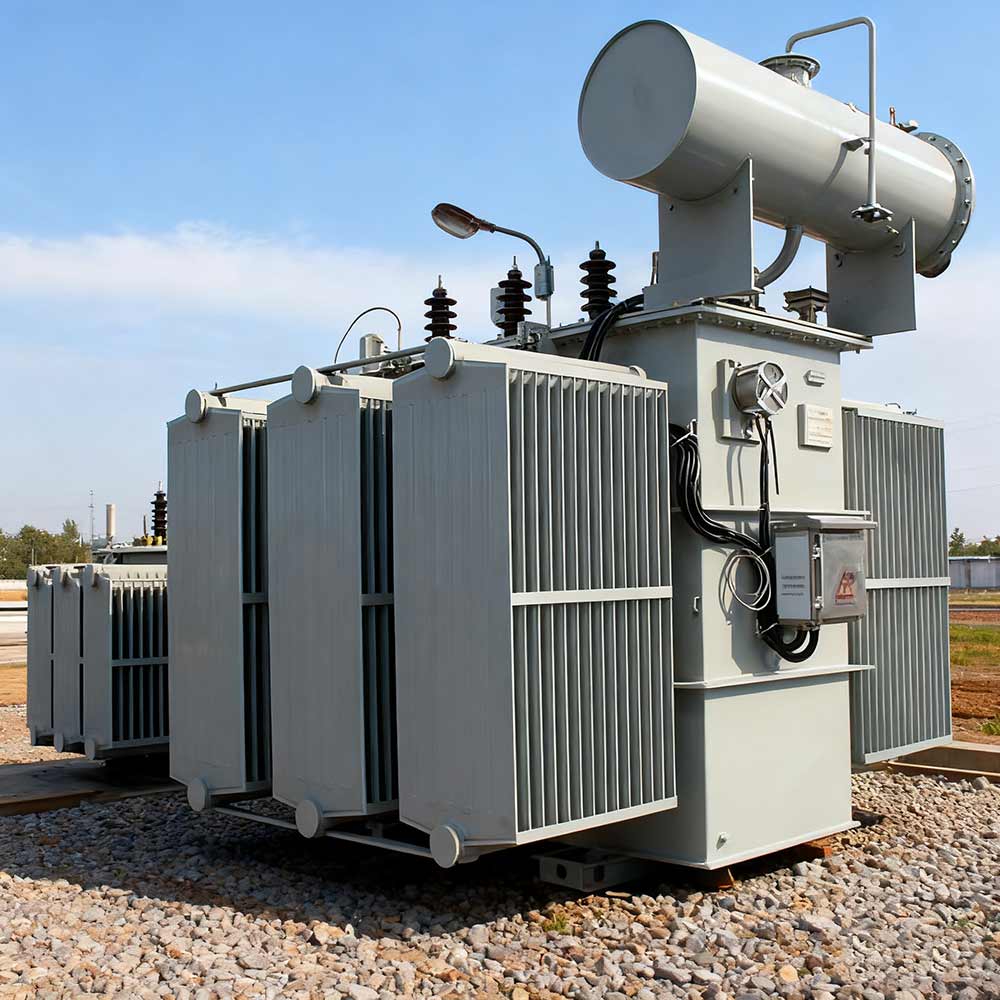
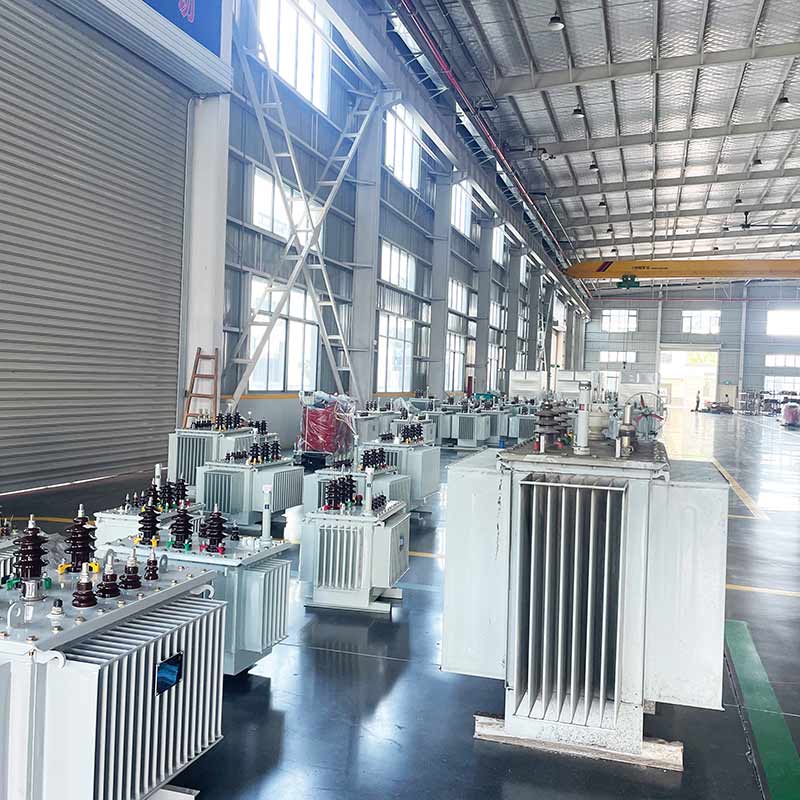
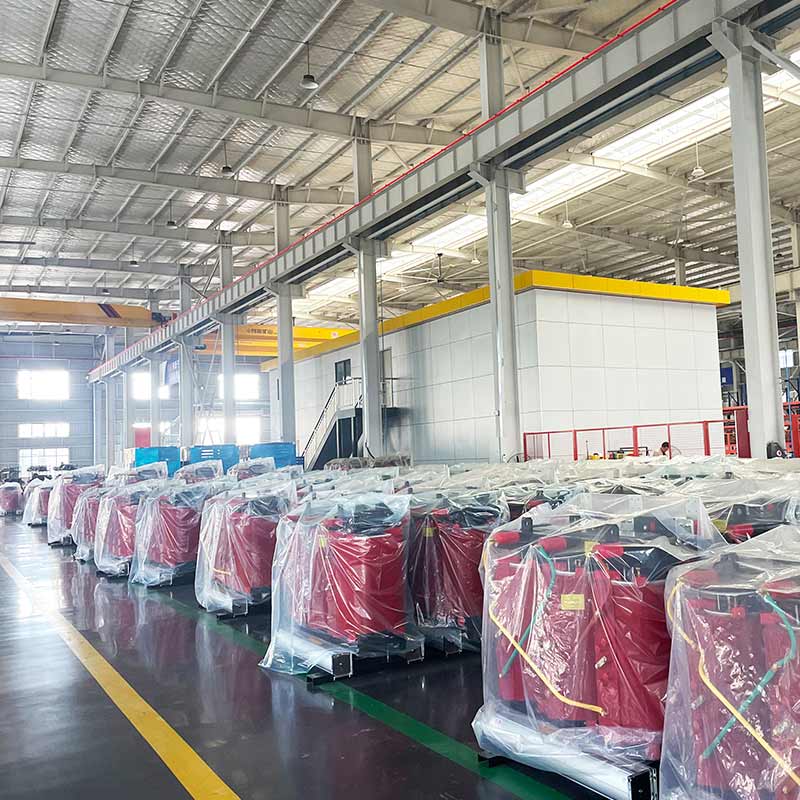
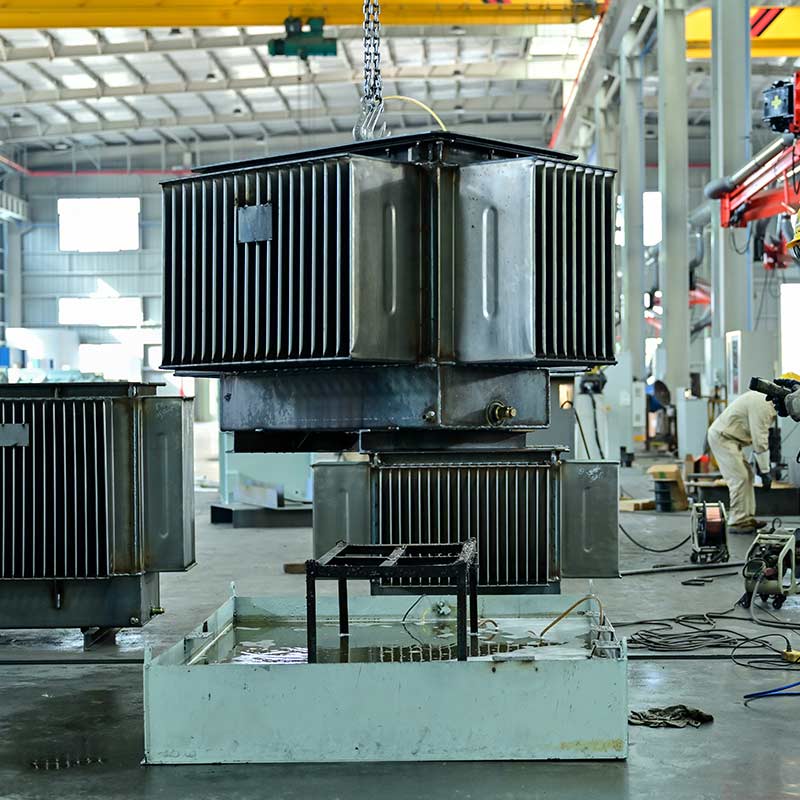
The core difference lies in insulation and cooling media. Oil-immersed 5000kVA transformers use transformer oil for insulation and cooling (common cooling method: ONAN natural oil circulation), featuring lower initial costs but requiring regular oil quality maintenance (e.g., oil testing and filtration). They are suitable for outdoor installations but need anti-leakage and fire prevention measures. Dry-type transformers use air or resin insulation with AN/AF air cooling, have 30% higher initial costs than oil-immersed ones, but offer maintenance-free operation, long service life (>30 years), and strong fire resistance. They are ideal for indoor environments like data centers and high-rise buildings with strict fire safety requirements.
What is the typical weight and dimension of a 5000kVA substation transformer?
The weight and dimensions of 5000kVA substation transformers vary by type and voltage level. For oil-immersed models (e.g., 35kV/10kV, ONAN cooling), the weight is usually 15-25 tons, with dimensions approximately 4-6 meters in length, 2-3 meters in width, and 2.5-3.5 meters in height . Dry-type models (35kV, AN/AF cooling) are lighter, around 8-15 tons, with a more compact structure—for example, the SCB12 series has a width of about 2 meters. Specific parameters depend on manufacturer designs and cooling system configurations; it is recommended to refer to the factory manual for accurate installation and transportation planning.
What is the maintenance schedule for 5000kVA substation transformers?
A scientific maintenance schedule ensures long-term stable operation. Daily maintenance includes inspecting oil level (for oil-immersed models), shell integrity, grounding status, and recording operating parameters (voltage, current, temperature). Regular maintenance (every 3-6 months) involves oil quality testing (moisture ≤0.5%, insulation strength ≥25kV), bolt tightening (torque 30-50N·m), and insulation resistance testing (≥800MΩ in hot state). Annual special maintenance includes internal inspections (core, windings, tap changers), calibration of protective devices (gas relays, pressure relief valves), and cleaning of radiators . Oil-immersed transformers require oil replacement every 5-10 years based on oil quality , while dry-type transformers focus on dust removal and cooling system checks.
What are the common faults of 5000kVA substation transformers and their solutions?
Common faults include oil leakage, abnormal temperature rise, insulation degradation, and tap changer failures. For oil leakage, identify and repair leaking points (e.g., flange gaskets), replace aged seals, and conduct pressure tests (0.03MPa nitrogen, 24-hour pressure drop ≤0.005MPa). Abnormal temperature rise may result from overloading or blocked cooling systems—reduce load and clean radiators or cooling fans. Insulation degradation (indicated by low insulation resistance) requires oil filtration or replacement (for oil-immersed) or drying treatment (for dry-type). Tap changer contact failures need disassembly, cleaning, or replacement to ensure tight contact, with DC resistance deviation ≤2%.
What are the key installation requirements for 5000kVA substation transformers?
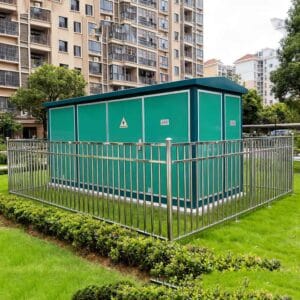
Installation must comply with strict technical requirements. First, the foundation must be flat (level deviation ≤2‰) with reserved maintenance space (≥2m operation area) and a 1.7m high safety fence. The grounding system should have a resistance ≤4Ω. For oil-immersed models, vacuum oil injection is required (ultimate vacuum ≤133Pa, injection rate ≤50L/min), followed by 24-hour static placement. During hoisting, use dedicated lifting lugs with a lifting angle ≤30° and speed ≤0.5m/min . After installation, conduct tests (insulation resistance, turns ratio, DC resistance) to ensure parameters meet design requirements before commissioning.
What is the service life of a 5000kVA substation transformer?
The design service life is typically 30 years, but actual life depends on operating conditions, maintenance quality, and load characteristics. Oil-immersed transformers can reach 30 years with proper oil maintenance and fault-free operation. Dry-type transformers have a similar service life, with resin insulation remaining stable if protected from moisture and dust. Factors shortening life include long-term overloading, frequent voltage fluctuations, poor maintenance, and harsh environments (high temperature, corrosion). Regular condition assessments (oil chromatography, partial discharge testing) help extend service life by identifying potential issues early.
What cooling methods are available for 5000kVA substation transformers?
Common cooling methods include natural oil circulation (ONAN) for oil-immersed transformers and air natural/forced cooling (AN/AF) for dry-type transformers. ONAN uses transformer oil’s natural convection for heat dissipation, suitable for outdoor low-temperature-rise environments. For higher load densities, oil-immersed transformers can use forced oil circulation (OFAF). Dry-type transformers use AN (natural air convection) for basic cooling and AF (forced air with fans) for enhanced heat dissipation, extending load capacity. The choice depends on installation environment (indoor/outdoor), ambient temperature, and load characteristics.
What are the safety precautions for 5000kVA substation transformer operation?
Safety precautions include strict implementation of work ticket systems—ensure complete power outage, voltage testing, and grounding before maintenance. Operators must wear insulating protective gear (gloves, shoes) and keep a safe distance (≥1.5m from high-voltage parts). Installation and maintenance areas should be equipped with warning signs (“High Voltage Danger”) and fire-fighting equipment (dry powder fire extinguishers, fire sand). For oil-immersed models, prevent oil leakage and fire; avoid open flames near the equipment. Regularly inspect protective devices (gas relays, temperature relays) to ensure they trigger alarms or trips promptly in abnormal conditions.
How to handle 5000kVA substation transformer overload operation?
Overload operation is allowed temporarily but must be controlled within limits to avoid insulation damage. Short-term overload (1-2 hours) should not exceed 120% of rated capacity, and long-term overload should not exceed 110%. During overload, closely monitor winding and oil temperatures (not exceeding 105°C for oil-immersed models). If temperature rises abnormally, reduce load or activate backup cooling systems (e.g., fans for dry-type models). Prolonged overload can shorten service life, so it is recommended to optimize load distribution or expand capacity if overload occurs frequently.

Related Products

Compact Box Transformer Substation for Urban Areas
Transformer BoxBox Type Prefabricated Transformer Substations for Residential
Transformer Box250 KVA European-style Box-type Transformer Substation
Transformer Box500 kva Compact Substation Green Transformer Box
Transformer BoxHigh Efficiency 1 MVA Transformer for Utilities
Distribution Transformer10 MVA Dry Type Transformer for Large-Scale Manufacturing Units
Distribution Transformer2000 KVA Oil Filled Transformer for Substation Voltage Conversion
Distribution TransformerThree Phase 1250 KVA Transformer for Substation Distribution
Distribution Transformer315 KVA Dry Type Transformer IEC Compliant for Power Grids
Distribution TransformerLow Loss 4 MVA Transformer for Energy Efficient Operations
Distribution Transformer