
5 Fatal Mistakes in Daily Transformer Inspection That Cause Catastrophic Failure are often overlooked by facility managers and maintenance teams, leading to costly downtime, equipment damage, and even safety hazards. Transformer daily inspection is a critical task that ensures the stable operation of power grids, industrial facilities, and commercial buildings—yet small, avoidable errors in this process can have devastating consequences.
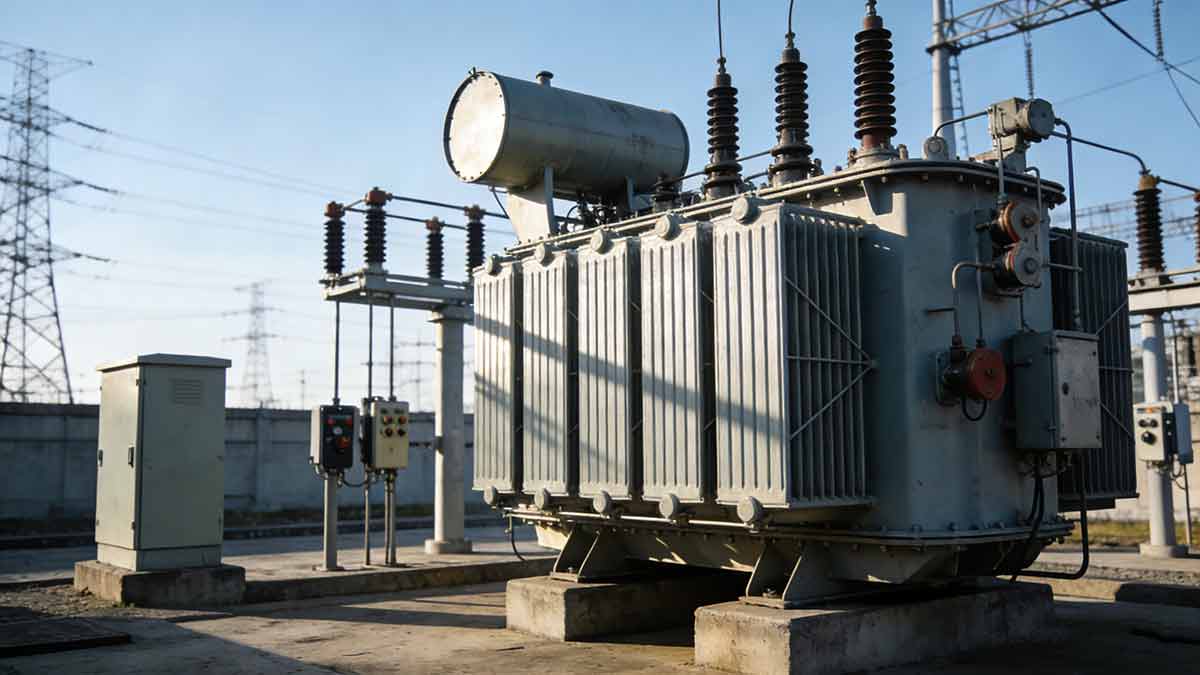
This article breaks down each fatal mistake, explains why they happen, and provides actionable solutions to fix them, helping you protect your transformer investment and prevent unplanned outages.
⚡ Why Daily Transformer Inspection Mistakes Lead to Catastrophic Failure
Transformers are the backbone of power distribution systems, and their reliability depends on consistent, thorough daily inspections. Unlike major breakdowns that occur suddenly, most catastrophic transformer failures stem from small, repeated mistakes in daily checks—mistakes that go unnoticed until it’s too late.
These mistakes compromise the transformer’s core components, accelerate wear and tear, and create hidden hazards that eventually trigger failure. Below are key reasons why these inspection errors are so dangerous:
- Hidden deterioration: Many inspection mistakes miss early signs of damage (e.g., oil leaks, insulation wear), allowing small issues to escalate into irreversible failures.
- Compounded damage: A single missed check can lead to a chain reaction—for example, ignoring oil quality can cause overheating, which damages windings and leads to short circuits.
- Safety risks: Failing to identify hazards like loose connections or faulty cooling systems can result in fires, explosions, or electrical shocks for maintenance teams and nearby personnel.
Cost of Catastrophic Transformer Failure vs. Daily Inspection Investment
Cost Category | Catastrophic Failure | Daily Inspection Investment |
|---|---|---|
Equipment Replacement | $50,000–$500,000+ (depending on size) | $200–$500/week (per transformer) |
Downtime Losses | $10,000–$100,000/day (industrial facilities) | Minimal (1–2 hours/day of inspection time) |
Safety & Compliance Fines | $5,000–$50,000 (OSHA/regulatory violations) | None (ensures compliance) |
Total Average Cost | $150,000–$700,000+ | $10,000–$25,000/year |
Common Question: How often do daily inspection mistakes lead to transformer failure? Industry data shows that 68% of unplanned transformer failures are linked to inadequate daily inspections—meaning most failures are preventable with proper check protocols.
❌ Fatal Mistake 1: Ignoring Transformer Oil Quality Checks (the #1 Cause of Failure)
Transformer oil is the lifeblood of oil-immersed units, responsible for cooling core components and insulating electrical parts. Yet, ignoring oil quality during daily transformer inspection is one of the most common—and deadly—mistakes. Many teams skip oil checks or perform them superficially, missing early signs of contamination that lead to catastrophic failure.
🔍 Why This Mistake Is Fatal
- Moisture intrusion: Even small amounts of moisture in transformer oil (above 20mg/L) drastically reduce its insulation capacity, increasing the risk of short circuits and electrical arcing.
- Impurity buildup: Dirt, metal particles, and oxidation products in the oil create conductive pathways, leading to localized discharge and winding damage.
- Oil degradation: Over time, oil breaks down due to heat and oxygen, losing its cooling and insulating properties—this accelerates component wear and increases overheating risk.
✅ How to Fix It (Practical Daily Checks)
- Visual inspection: Check for oil leaks around the tank, gaskets, and valves—even small leaks can let in moisture and contaminants.
- Oil level check: Ensure the oil level is within the recommended range (marked on the transformer’s sight glass) to avoid overheating or insulation gaps.
- Oil color & clarity: Fresh transformer oil is pale yellow or amber; dark, cloudy, or milky oil indicates contamination (moisture or dirt) and requires immediate testing.
- Quick oil test: Use a portable oil tester to check for moisture and conductivity—affordable tools can provide results in minutes, perfect for daily checks.
Case Study: A mid-sized manufacturing plant ignored daily oil checks for six months. Moisture seeped into the transformer oil through a cracked gasket, reducing its breakdown voltage by 43%. One morning, the transformer suffered a winding short circuit, causing a fire that destroyed the unit and resulted in $200,000 in downtime and replacement costs. A simple daily oil level and color check would have identified the leak early, preventing the failure.
❌ Fatal Mistake 2: Skipping Temperature and Cooling System Inspections
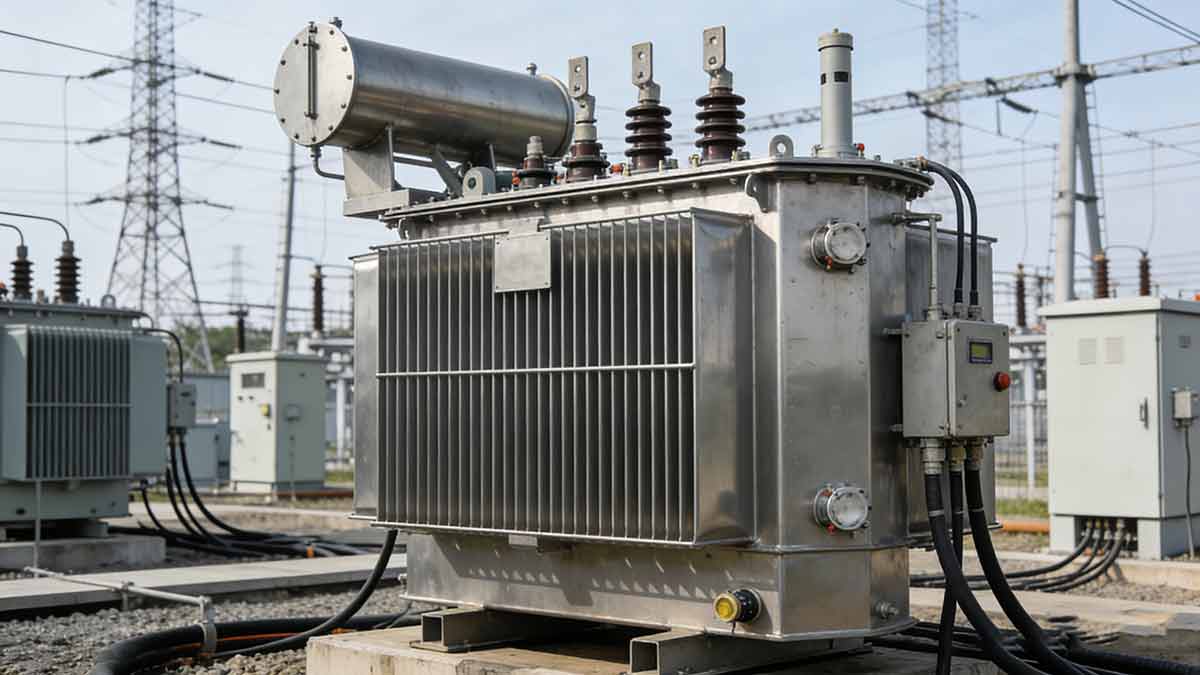
Overheating is a leading cause of transformer failure, and the cooling system is critical to preventing it. Yet, many teams skip daily temperature checks or fail to inspect cooling components (e.g., fans, radiators) during daily transformer inspection—this mistake allows overheating to go unnoticed, damaging windings and insulation over time.
🔍 Why This Mistake Is Fatal
- Winding damage: Excess heat degrades insulation around the windings, leading to short circuits and catastrophic failure. Even a 10°C increase in operating temperature can reduce transformer life by 50%.
- Cooling system failure: Clogged radiators, faulty fans, or low coolant levels prevent proper heat dissipation—IEC standards require strict temperature rise limits to avoid this issue.
- Hidden overheating: Transformers often overheat gradually, with no obvious signs until it’s too late—daily temperature checks are the only way to catch this early.
✅ How to Fix It (Practical Daily Checks)
- Temperature monitoring: Use a digital thermometer to check the transformer’s external temperature—most units have a safe range (typically 40–65°C; refer to the manufacturer’s guidelines).
- Cooling fan inspection: Ensure all cooling fans are running smoothly (no unusual noises or vibrations) and are free of dust and debris.
- Radiator check: Clean radiators of dirt, leaves, and debris—clogged radiators reduce cooling efficiency by up to 30%.
- Thermostat test: Verify that the cooling system activates automatically when the temperature exceeds the safe range—this ensures the system is working as intended.
Tip: For outdoor transformers, check for vegetation growth around the unit—overgrown plants block airflow and increase temperature. Trim any plants within 3 feet of the transformer during daily inspections.
❌ Fatal Mistake 3: Overlooking Loose Connections and Electrical Arcing
Loose electrical connections are a hidden hazard that often goes unnoticed during daily transformer inspection. These connections create resistance, generate heat, and cause electrical arcing—all of which can lead to fires, explosions, and complete transformer failure. Many teams focus on large components and ignore small, critical connections.
🔍 Why This Mistake Is Fatal
- Electrical arcing: Loose connections cause sparks (arcing) that ignite transformer oil or insulation materials, leading to fires.
- Heat buildup: Resistance from loose connections generates excess heat, which damages nearby components and accelerates insulation degradation.
- Connection failure: Over time, loose connections can completely separate, causing power outages and damaging the transformer’s windings.
✅ How to Fix It (Practical Daily Checks)
- Visual inspection: Check all electrical connections (terminals, cables, bus bars) for signs of looseness, corrosion, or discoloration (a sign of heat buildup).
- Touch test (only if safe and de-energized): Gently touch connections to feel for excess heat—warm or hot connections indicate looseness or resistance.
- Tightening (by qualified personnel): If connections are loose, have a certified electrician tighten them—over-tightening can damage terminals, so follow manufacturer torque guidelines.
- Corrosion check: Look for rust or green/white deposits on connections—corrosion increases resistance and should be cleaned or replaced immediately.
Common Question: Can loose connections be fixed without shutting down the transformer? For low-voltage connections, qualified personnel can tighten them while the unit is energized (using insulated tools). For high-voltage connections, the transformer must be de-energized to ensure safety.
❌ Fatal Mistake 4: Neglecting Insulation Condition Checks
Transformer insulation (e.g., paper, resin) protects internal components from electrical damage and short circuits. Neglecting insulation checks during daily transformer inspection is a fatal mistake—insulation degradation is often invisible, but it leads to irreversible damage and failure.
🔍 Why This Mistake Is Fatal
- Insulation breakdown: Over time, insulation degrades due to heat, moisture, and electrical stress—this leads to short circuits between windings or between windings and the core.
- Hidden damage: Insulation damage is often inside the transformer, making it hard to spot without proper checks—by the time external signs appear, the damage is already severe.
- Safety risks: Degraded insulation increases the risk of electrical shocks for maintenance teams and nearby personnel.
✅ How to Fix It (Practical Daily Checks)
- Visual inspection: Check external insulation (e.g., cable insulation, terminal covers) for cracks, tears, or discoloration—these are signs of degradation.
- Insulation resistance test (weekly, but quick checks daily): Use a megohmmeter to test insulation resistance—low resistance indicates degradation and requires further testing.
- Odor check: A burning or chemical odor near the transformer indicates insulation overheating—this is a critical sign that needs immediate attention.
- Noise check: Unusual buzzing or humming sounds can indicate insulation damage (arcing inside the unit)—compare the sound to normal operation to spot changes.
Case Study: A utility company neglected insulation checks on its distribution transformers. Over time, moisture and heat degraded the paper insulation around the windings, leading to a turn-to-turn short circuit. The failure caused a power outage for 10,000 customers and required a $150,000 transformer replacement. Daily insulation checks would have identified the degradation early, allowing for repairs before failure.
❌ Fatal Mistake 5: Rushing Through Inspections (Skipping Critical Steps)
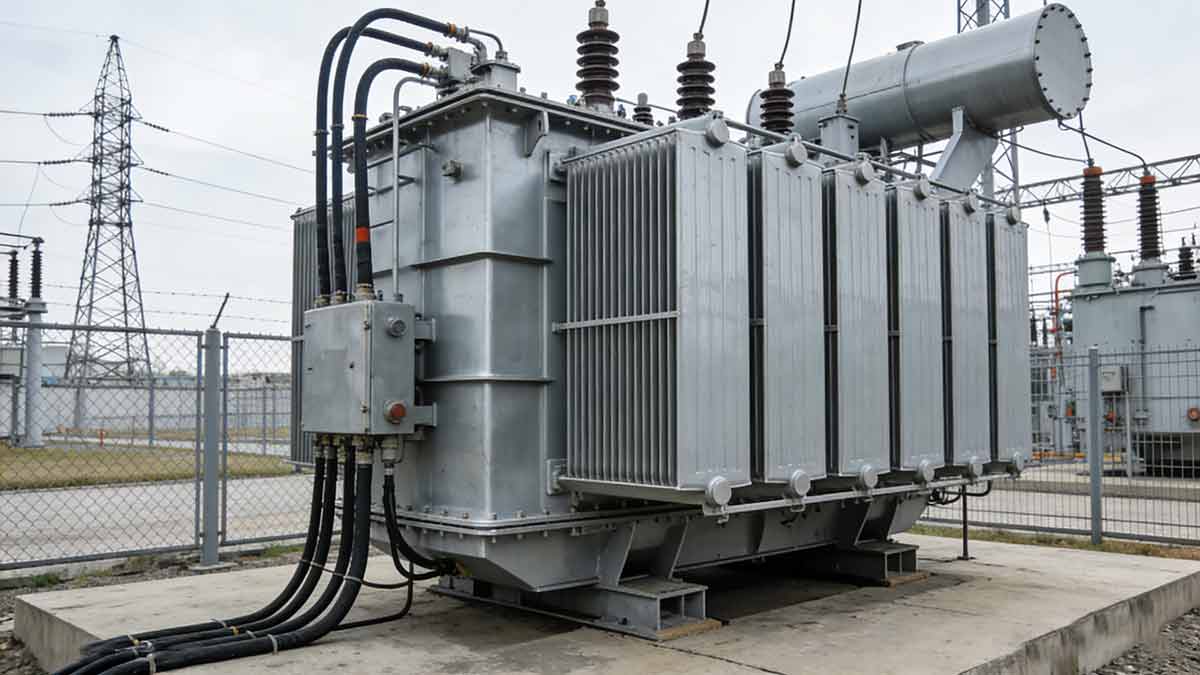
The most common fatal mistake in daily transformer inspection is rushing through the process—skipping steps, ignoring small signs, or performing checks without focus. Many maintenance teams are busy, but cutting corners during inspections leads to missed hazards and catastrophic failure.
🔍 Why This Mistake Is Fatal
- Missed hazards: Rushing means skipping small but critical signs (e.g., small oil leaks, faint odors, minor temperature increases) that indicate larger issues.
- Inconsistent checks: Rushed inspections are inconsistent, leading to some hazards being missed on some days and caught on others—this unpredictability increases failure risk.
- Human error: Rushing leads to mistakes (e.g., misreading temperature gauges, forgetting to check connections) that can have deadly consequences.
✅ How to Fix It (Practical Daily Checks)
- Use a checklist: Create a simple daily transformer inspection checklist that includes all critical steps (oil check, temperature, connections, insulation, cooling system)—follow it every time to avoid skipping steps.
- Allocate enough time: Set aside 15–20 minutes per transformer for daily inspections—this ensures you have time to focus and spot small signs of damage.
- Train your team: Ensure all maintenance personnel are trained to recognize hazards and perform thorough checks—regular training reduces human error.
- Document checks: Record inspection results daily—this helps track trends (e.g., gradually increasing temperature) and identify issues before they escalate.
Daily Transformer Inspection Checklist (Quick Reference)
Inspection Category | Daily Checks | Signs of Trouble |
|---|---|---|
Oil Quality | Check level, color, clarity; look for leaks | Dark/cloudy oil, leaks, low level |
Temperature & Cooling | Check external temp; inspect fans/radiators | Temp above 65°C, fans not running, clogged radiators |
Connections | Check for looseness, corrosion, and discoloration | Warm connections, rust, discoloration |
Insulation | Check for cracks, tears, and listen for unusual noises | Cracked insulation, burning odor, odd buzzing |
General Condition | Check for debris, vegetation, and physical damage | Debris around the unit, overgrown plants, dents |
🛡️ How to Avoid These Fatal Mistakes (Pro Tips for Daily Transformer Inspection)
Preventing catastrophic transformer failure starts with fixing the 5 fatal mistakes above—but there are additional steps you can take to ensure your daily inspections are effective and thorough. These pro tips help you build a reliable inspection routine that protects your equipment and reduces downtime.
🔑 Pro Tip 1: Train Your Team on Hazard Recognition
Many inspection mistakes happen because teams don’t recognize small signs of trouble. Train your maintenance personnel to identify: Subtle changes in transformer noise (e.g., from a steady hum to a buzzing or crackling sound).Minor oil leaks (even a small drip can indicate a gasket failure).Color changes in insulation or oil (darkening or cloudiness). Regular training sessions (monthly or quarterly) with real-world examples help your team stay sharp and spot hazards early.
🔑 Pro Tip 2: Invest in Simple Inspection Tools
You don’t need expensive equipment to perform effective daily transformer inspections. Affordable tools that make a big difference include: a digital thermometer (for accurate temperature checks).Portable oil tester (for quick moisture and conductivity checks).Megohmmeter (for weekly insulation resistance tests).Flashlight (to check hard-to-reach areas, like connections and gaskets).
🔑 Pro Tip 3: Schedule Regular Professional Inspections.
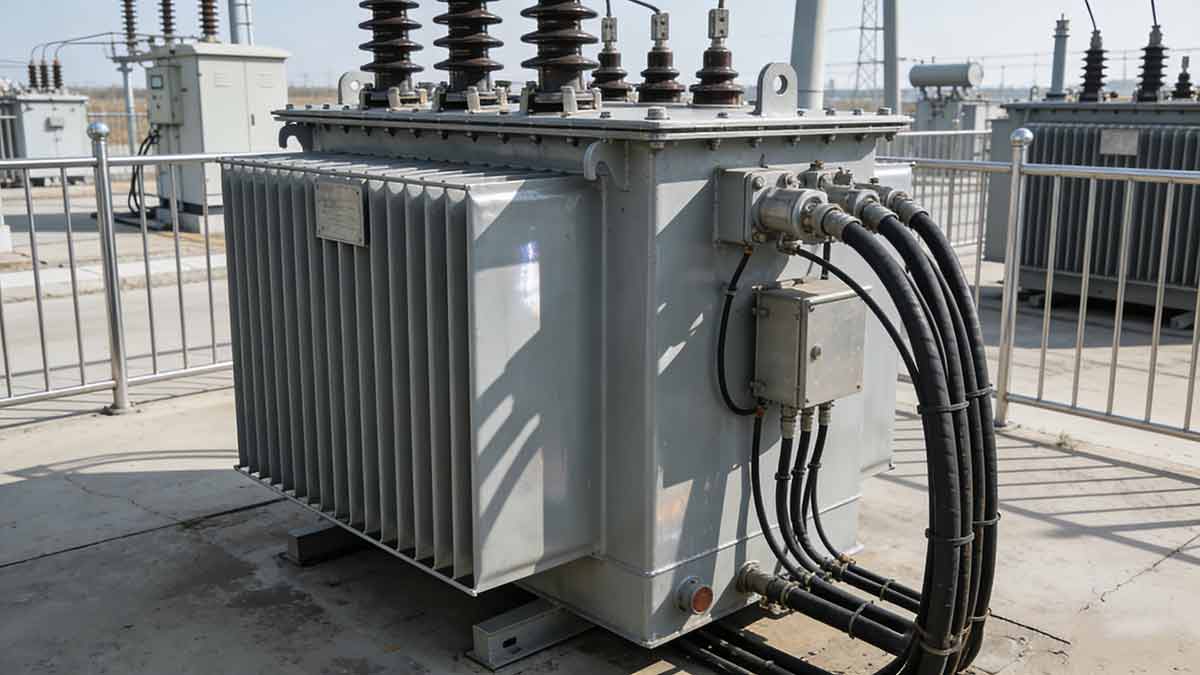
Daily inspections are critical, but they should be complemented by professional inspections (quarterly or semi-annually). Professional technicians can perform detailed tests (e.g., oil analysis, winding resistance tests) that catch hidden issues your team might miss. This combination of daily checks and professional inspections ensures full protection.
🔑 Pro Tip 4: Document Everything
Recording daily inspection results helps you track trends and identify potential issues before they escalate. Use a digital log or spreadsheet to note: Date and time of inspection. Temperature readings.Oil level and condition.Any signs of trouble (leaks, loose connections, etc.).Actions taken (e.g., tightened connections, cleaned radiators). This documentation also helps with compliance and troubleshooting if a failure does occur.
💡 Conclusion: Avoid Fatal Mistakes to Protect Your Transformer
5 Fatal Mistakes in Daily Transformer Inspection That Cause Catastrophic Failure are avoidable with proper focus, training, and routine. By ignoring oil quality, skipping temperature checks, overlooking loose connections, neglecting insulation, or rushing through inspections, you put your transformer, your facility, and your team at risk. The good news is that these mistakes are easy to fix—with a simple checklist, the right tools, and a commitment to thoroughness, you can prevent most catastrophic transformer failures.
Daily transformer inspection is not just a maintenance task—it’s an investment in the reliability and safety of your power system. By following the tips and solutions in this article, you can ensure your inspections are effective, catch hazards early, and extend the life of your transformer. If you’re looking for guidance on building a custom daily inspection routine, or need help selecting the right tools or equipment for your transformers, our team of experts is here to help.