
5 costly mistakes when dealing with transformer noise are more common than you think—and they can cost your facility thousands in repairs, downtime, and even fines. Transformer noise, whether a faint hum or a loud rattle, is never just an annoyance; it often signals underlying issues that, if ignored or mishandled, lead to bigger problems. From incorrect diagnosis to cheap, ineffective fixes, many facility managers and electricians fall into easily avoidable traps when addressing transformer noise.
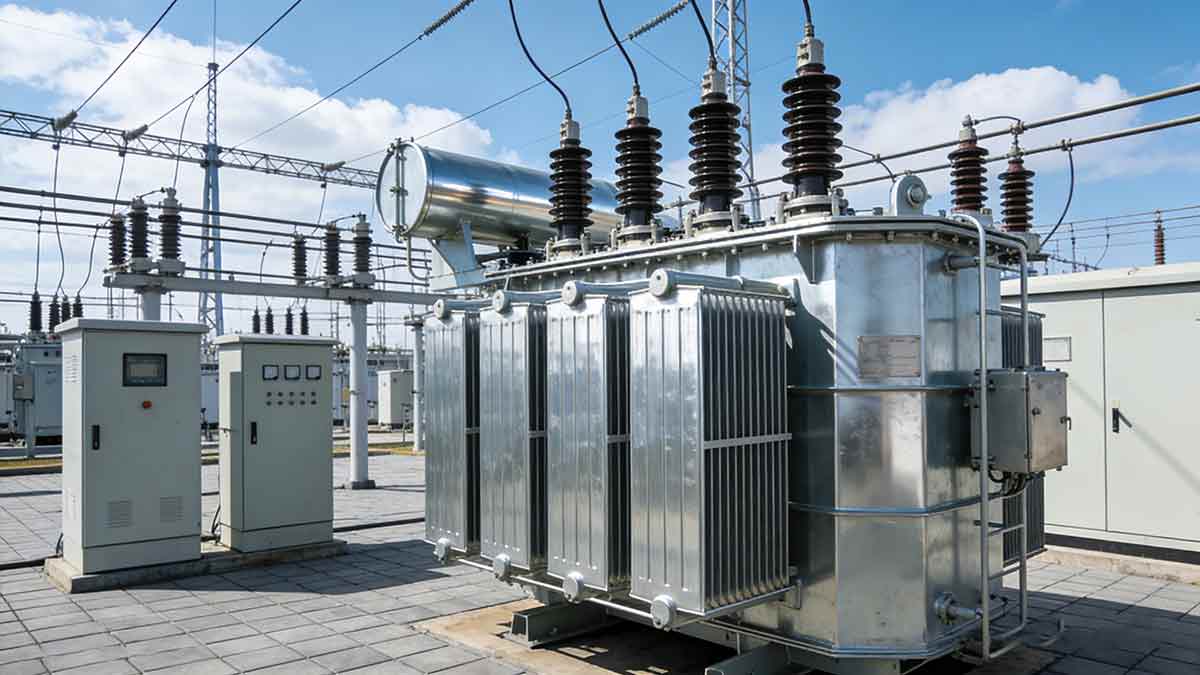
This article breaks down each costly mistake, explains why it’s harmful, and provides actionable solutions to get it right the first time—helping you protect your equipment, reduce costs, and maintain a quiet, efficient operation.
⚙️ Mistake 1: Ignoring Transformer Noise Instead of Diagnosing the Root Cause
The biggest and most costly mistake when dealing with transformer noise is brushing it off as “normal operation.” Many people assume transformer noise—especially a low hum—is just part of how these devices work, but this mindset leads to missed warning signs, expensive equipment failures, and unnecessary downtime. Transformer noise is often a red flag for issues like core damage, loose components, or cooling system failures, and ignoring it only allows these problems to worsen over time.
🔍 Why This Mistake Costs You
- Unaddressed noise can indicate core magnetostriction (the main source of transformer noise) that’s worsening, leading to silicon steel sheet damage and reduced transformer efficiency.
- Ignoring unusual noises—like “wheeze” sounds or High-frequency screaming—can lead to insulation breakdown, short circuits, or even transformer explosions, resulting in replacement costs of $10,000–$50,000+, depending on the unit size.
- Noise that disturbs neighbors or violates local noise regulations can result in fines (often $500–$2,000 per violation) and damage to your facility’s reputation.
✅ Correct Approach: Diagnose the Noise Type First
Not all transformer noise is the same—each sound points to a specific issue. Use this simple guide to diagnose common noise types, based on real-world troubleshooting data:
Noise Type | Potential Root Cause | Urgency Level |
|---|---|---|
Uniform, low hum | Normal core vibration (magnetostriction) or minor loose components | Low (monitor regularly) |
Loud, rattling hum | Loose bolts, core laminations, or cooling fan components | Medium (fix within 1–3 days) |
“wheeze” or “sizzle” sound | Insulation damage or local discharge (critical safety risk) | High (immediate action required) |
High-pitched squeal | Harmonic overproof or cooling fan bearing failure | Medium-High (fix within 24 hours) |
Intermittent “Carboline” noise | Loose lead connector or tap switch contact issues | High (reduce load and fix quickly) |
Pro Tip: Use a basic sound meter (affordable and easy to use) to measure noise levels—anything above 65dB in industrial areas or 55dB in residential zones violates most local regulations and signals a problem. For precise diagnosis, use a spectrum analyzer to check for frequency abnormalities, which can pinpoint harmonic issues or resonance problems.
🛠️ Mistake 2: Using Cheap, Temporary Fixes Instead of Long-Term Solutions
When dealing with transformer noise, many facility managers opt for the cheapest, quickest fix—like adding a temporary sound cover or tightening a few bolts—instead of addressing the root cause. While these band-aids might reduce noise temporarily, they don’t solve the underlying issue, leading to repeated repairs, higher long-term costs, and eventual equipment failure. This is one of the most common mistakes when dealing with transformer noise, as it prioritizes short-term savings over long-term reliability.
🔍 Why This Mistake Costs You
- Temporary fixes (e.g., cheap sound blankets, duct tape, or loose fasteners) typically last 6–12 months, requiring repeated replacements that add up over time. A $200 temporary sound cover can end up costing $1,000+ in replacements over 5 years.
- Covering up noise without fixing the cause (e.g., a failing cooling fan or loose core) can lead to overheating, which reduces transformer lifespan by 10–15 years. Replacing a transformer prematurely costs 3–5 times more than fixing the root cause upfront.
- Cheap fixes often block airflow, leading to overheating and further damage. For example, a poorly installed sound cover can raise internal temperatures by 15–20°F, accelerating insulation aging and increasing the risk of short circuits.
✅ Correct Approach: Invest in Root-Cause Solutions
Instead of temporary fixes, focus on long-term solutions that address the source of the noise. Here are common noise causes and their cost-effective, permanent solutions, based on industry best practices:
- Loose core laminations or bolts: Tighten fasteners to the manufacturer’s specifications (typically 1.5–2.0MPa for core clamping) and add locking washers to prevent future loosening. Cost: $150–$300 per unit, with a 10+ year lifespan.
- Cooling fan noise: Replace worn bearings or damaged fan blades with high-quality, low-noise components (noise rating <65dB). For oil-immersed transformers, check and repair faulty oil pumps. Cost: $300–$800, with 5–7 years of reliable operation.
- Core magnetostriction: Apply a vibration-damping coating to the core or install elastic buffer pads between the core and frame. For severe cases, upgrade to high-permeability silicon steel sheets. Cost: $500–$1,200, extending transformer life by 10+ years.
- Resonance issues: Adjust the transformer’s mounting or add vibration isolators to break the sound transmission path. Cost: $200–$500, eliminating resonance-related noise permanently.
Case Study: A manufacturing facility in Texas used cheap sound blankets to mask transformer noise, but the noise returned within 8 months. After diagnosing the issue (loose core laminations and a failing cooling fan), they invested $900 in permanent fixes. Over 5 years, they saved $4,000+ in repeated temporary fixes and avoided a $15,000 transformer replacement.
📌 Mistake 3: Neglecting Installation Errors That Cause Transformer Noise
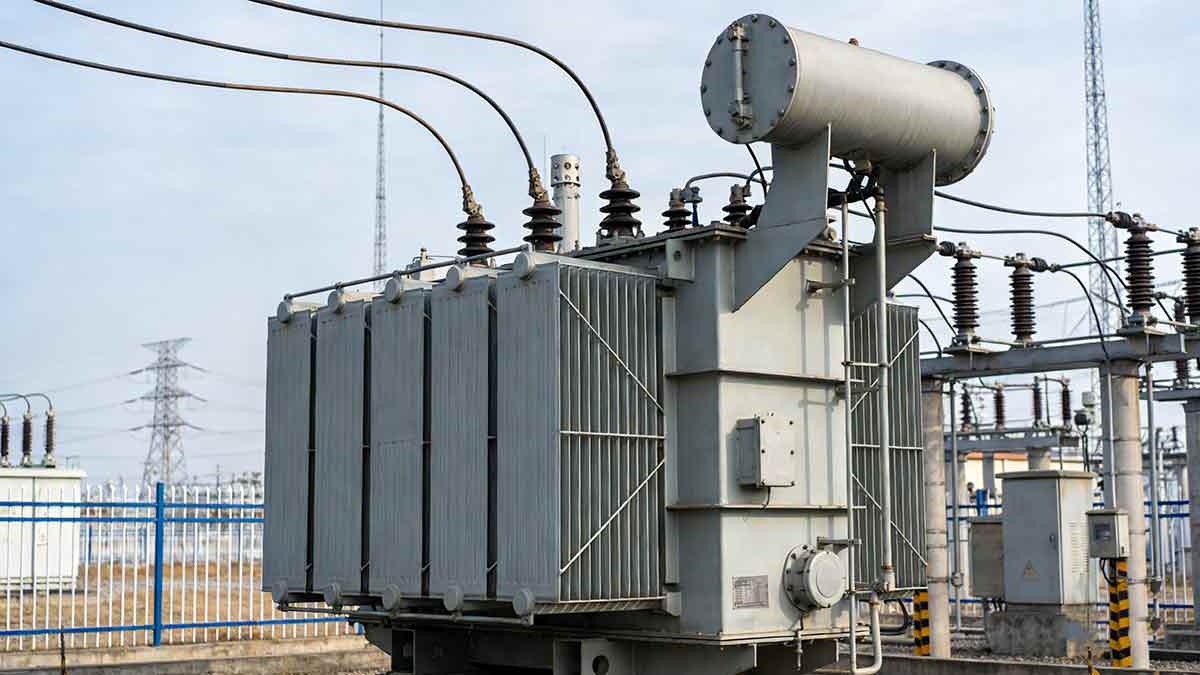
Many people overlook the role of installation in transformer noise—yet 90% of noise issues in dry-type transformers stem from poor installation practices. When dealing with transformer noise, failing to correct installation mistakes (like improper mounting or lack of vibration isolation) ensures the noise will persist, no matter how many other fixes you try. This mistake is costly because it leads to ongoing noise, reduced equipment life, and unnecessary repairs.
🔍 Common Installation Mistakes That Cause Noise
- Rigid mounting without vibration isolators: Transformer vibrations (from core magnetostriction and winding electromagnetic forces) transfer directly to the floor or wall, amplifying noise. This is the most common installation error, affecting 70% of facilities with transformer noise issues.
- Uneven or unstable base: An uneven concrete pad or unstable mounting surface causes the transformer to vibrate more, increasing noise levels by 10–15dB. It also puts extra stress on internal components, leading to premature wear.
- Busbar The bridge frame is rigidly fixed: Rigidly mounted busbars create a “sound bridge,” transferring transformer vibrations to other parts of the facility, amplifying noise in adjacent rooms by 5–10dB.
- Poor ventilation: Inadequate airflow leads to overheating, which increases core and winding vibrations, resulting in louder noise. It also shortens the transformer’s lifespan by accelerating insulation aging.
✅ Correct Approach: Fix Installation Errors for Long-Term Noise Control
Correcting installation mistakes is often one of the most cost-effective ways to reduce transformer noise. Follow these best practices, aligned with GB 1094.10 standards:
- Install vibration isolators: Choose the right type based on transformer weight, as shown in the table below:
Transformer Weight (kg) | Dynamic Stiffness (N/mm) | Noise Reduction (dB) | |
|---|---|---|---|
<500 | Rubber vibration pad | 8-12 | 10-15 |
500-2000 | Spring vibration absorber | 15-30 | 15-20 |
>2000 | Airbag isolation system | Adjustable (5-50) | 20-25 |
- Ensure a level, stable base: Use a concrete pad with a minimum C30 strength, and check for levelness (deviation ≤2mm/m) with a laser level. This reduces vibration and noise by 5–10dB.
- Use flexible busbar connections: Install flexible busbar joints (with ≥50mm gap filled with fire-resistant sealant) to break sound bridges. Add rubber pads to the busbar holder to further reduce vibration transfer.
- Optimize ventilation: Ensure the transformer has at least 12 inches of clearance on all sides for airflow. For enclosed units, install low-noise fans with soft connections to reduce additional noise.
🔧 Mistake 4: Hiring Unqualified Technicians to Fix Transformer Noise
When dealing with transformer noise, many facility managers hire the cheapest available technician—often someone without specialized knowledge of transformer systems. While this might save money upfront, unqualified technicians often misdiagnose the issue, use incorrect parts, or make repairs that worsen the problem. This mistake leads to costly rework, equipment damage, and even safety hazards.
🔍 Why Unqualified Technicians Cost You More
- Misdiagnosis: Unqualified technicians often mistake core noise for fan noise, or vice versa, leading to unnecessary repairs. For example, replacing a fan when the issue is a loose core can cost $500–$1,000 in wasted parts and labor.
- Improper repairs: Using the wrong parts (e.g., low-quality bearings or incorrect fasteners) can cause further damage. A technician who uses the wrong bolt torque to tighten core laminations can crack the core, leading to a $10,000+ replacement.
- Safety risks: Transformer noise issues often involve high-voltage components. Unqualified technicians may not follow safety protocols, leading to electrical shocks, fires, or injuries—resulting in medical costs, fines, and downtime.
✅ Correct Approach: Hire Qualified, Experienced Transformer Technicians
When dealing with transformer noise, invest in a qualified technician with experience in transformer systems. Here’s how to find the right professional:
- Check certifications: Look for technicians certified by IEC or local electrical boards, with specific experience in transformer noise troubleshooting and repair.
- Ask for references: Request case studies or references from other facilities with similar transformer noise issues. A reputable technician will be happy to share their track record.
- Get a detailed diagnosis first: A qualified technician will perform a thorough inspection (including sound and vibration analysis) and provide a written diagnosis before starting any repairs. Avoid technicians who offer a “quick fix” without an inspection.
- Compare quotes: Get 2–3 quotes from qualified technicians, but don’t choose the cheapest option—focus on value (experience, parts quality, and warranty).
Example: A data center hired an unqualified technician to fix transformer noise, who incorrectly replaced the cooling fan (costing $800) instead of addressing the root cause (a loose core). The noise persisted, and the core damage worsened, leading to a $12,000 transformer replacement. A qualified technician later fixed the issue for $300, saving the data center $11,500.
📊 Mistake 5: Failing to Maintain Transformers, Leading to Recurring Noise Issues
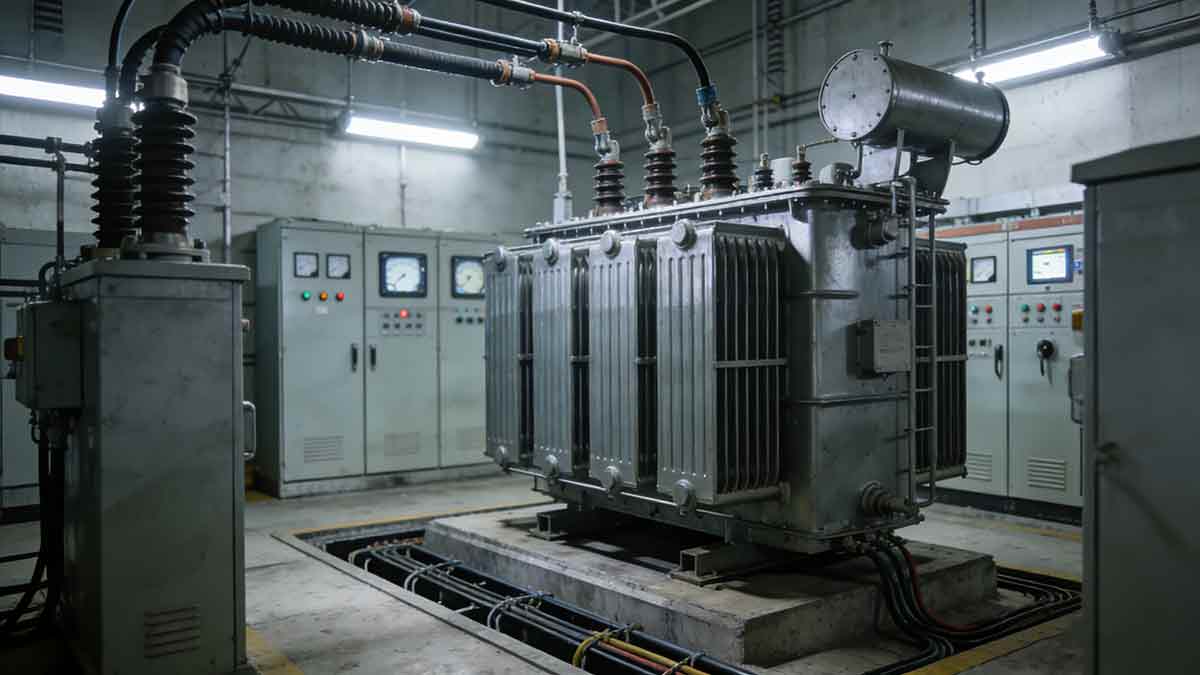
The final costly mistake when dealing with transformer noise is neglecting regular maintenance. Transformer noise often worsens over time due to wear and tear—loose bolts, aging bearings, and contaminated oil all contribute to increased noise. Failing to maintain your transformer means you’ll deal with recurring noise issues, higher repair costs, and a shorter equipment lifespan.
🔍 How Poor Maintenance Causes Noise (and Costs You Money)
- Aging cooling system components: Fan bearings and oil pumps wear out over time, leading to a loud, squealing noise. Replacing a worn bearing costs $200–$300, but neglecting it can lead to fan failure, overheating, and a $1,000+ repair.
- Loose fasteners: Vibrations from normal operation cause bolts and screws to loosen over time, amplifying noise. A 5-minute check to tighten fasteners can prevent a $500+ repair later.
- Contaminated transformer oil: For oil-immersed transformers, dirty or degraded oil reduces cooling efficiency, leading to overheating and increased core vibration. Oil sampling and filtration costs $150–$300 per year, but neglecting it can lead to a $5,000+ oil replacement or transformer failure.
- Core and winding degradation: Lack of maintenance accelerates core and winding wear, increasing magnetostriction and noise. Regular inspections can catch these issues early, saving $10,000+ in replacement costs.
✅ Correct Approach: Implement a Regular Transformer Maintenance Schedule
A simple, consistent maintenance schedule can prevent most transformer noise issues and save you money in the long run. Follow this industry-proven schedule:
- Monthly: Check for unusual noise, tightness of fasteners, and cooling system operation. Clean fan blades and vents to ensure proper airflow.
- Quarterly: Measure noise levels with a sound meter and compare to baseline. For oil-immersed transformers, take an oil sample to check for contamination.
- Annually: Have a qualified technician perform a full inspection, including core and winding checks, vibration analysis, and bearing lubrication. Replace worn components (e.g., bearings, gaskets) before they fail.
- Every 2–3 years: For rubber vibration pads, check for aging (replace if hardness changes by ±15% from initial values). For oil-immersed transformers, perform oil filtration to extend oil life.
Table: Maintenance Cost vs. Repair Cost for Transformer Noise Issues
Maintenance Task | Annual Cost | Potential Repair Cost If Neglected | Savings |
|---|---|---|---|
Monthly fastener check + fan cleaning | $50–$100 | $500–$1,000 | $450–$900 |
Quarterly oil sampling (oil-immersed units) | $150–$300 | $5,000–$10,000 | $4,850–$9,700 |
Annual technician inspection | $300–$500 | $10,000–$50,000 (transformer replacement) | $9,700–$49,500 |
🎯 How to Avoid These Costly Mistakes When Dealing with Transformer Noise
Dealing with transformer noise doesn’t have to be costly—by avoiding these 5 mistakes, you can save thousands of dollars, extend your transformer’s lifespan, and maintain a quiet, efficient operation. The key is to prioritize root-cause solutions, invest in quality repairs and maintenance, and work with qualified professionals.
Remember: Transformer noise is a warning sign, not a minor annoyance. Taking the time to diagnose, fix, and maintain your transformer properly will prevent costly downtime, equipment failure, and fines. Whether you’re dealing with a small hum or a loud rattle, addressing the issue early is always the most cost-effective approach.
🔚 Conclusion: Get Transformer Noise Right the First Time
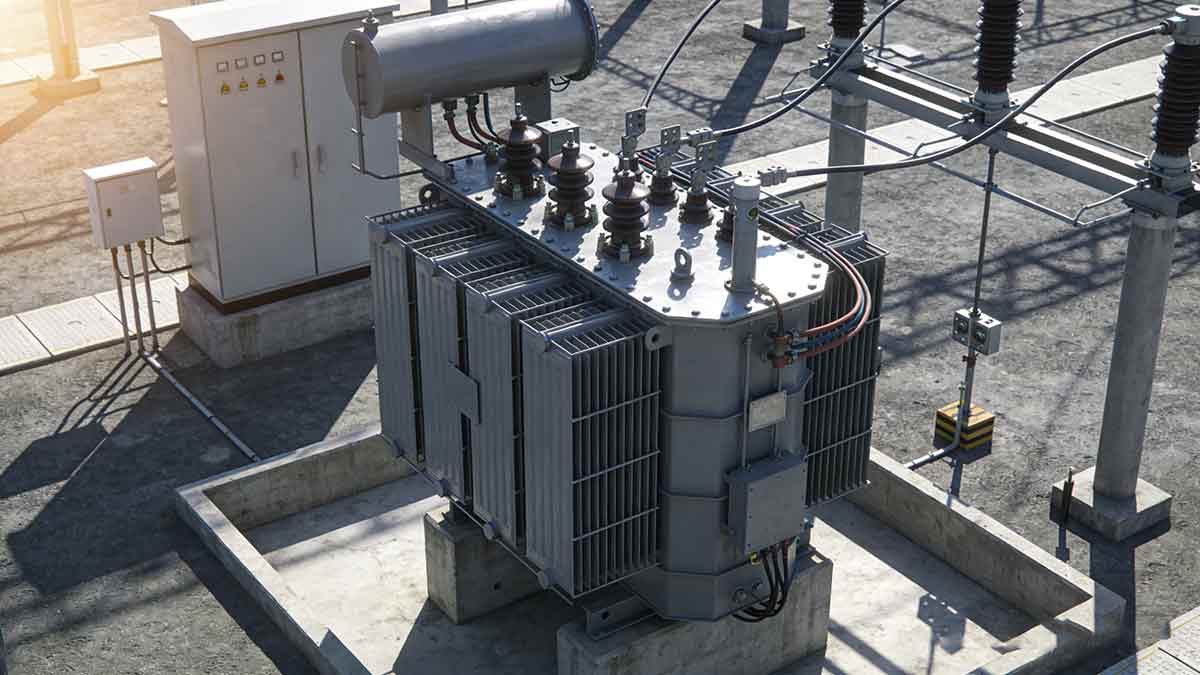
The 5 costly mistakes when dealing with transformer noise—ignoring the noise, using temporary fixes, neglecting installation errors, hiring unqualified technicians, and skipping maintenance—are all avoidable. By focusing on root-cause solutions, investing in quality repairs, and following a regular maintenance schedule, you can keep your transformer running quietly and reliably, while saving money in the long run. Transformer noise doesn’t have to be a recurring problem—with the right approach, you can resolve it once and for all.
If you’re struggling with transformer noise and want to avoid these costly mistakes, our team of qualified transformer experts is here to help. We provide thorough noise diagnosis, quality repairs, and maintenance guidance to ensure your transformer operates quietly and efficiently. Contact us today to learn more about how we can help you deal with transformer noise the right way.