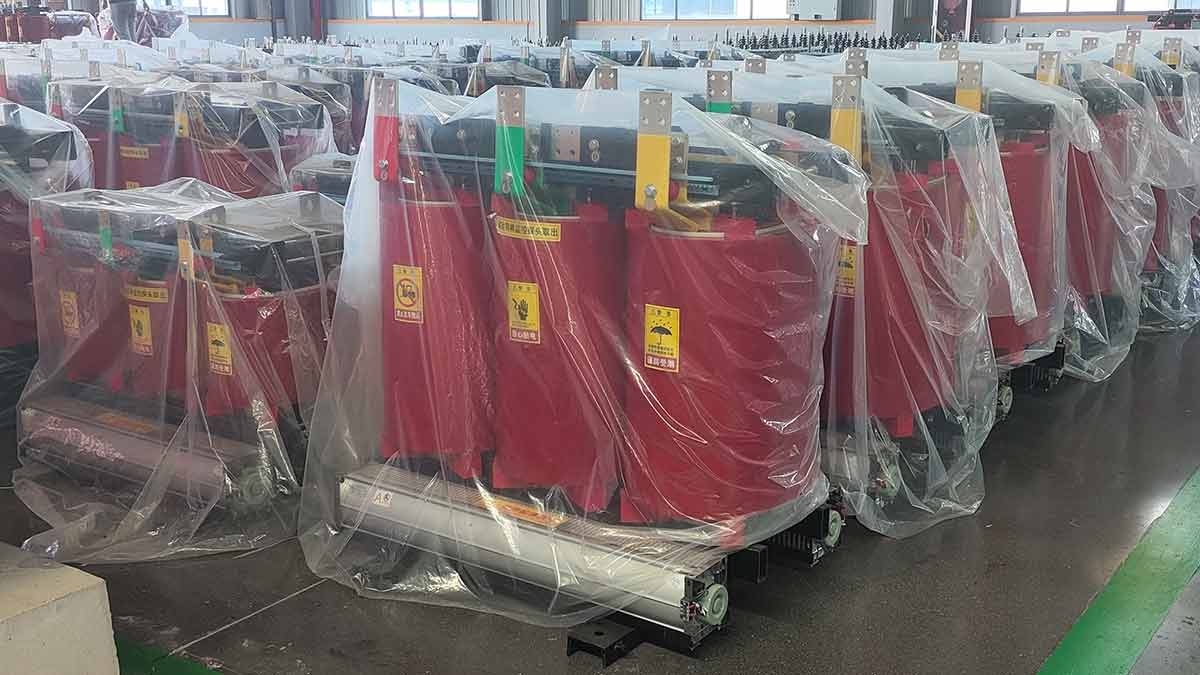
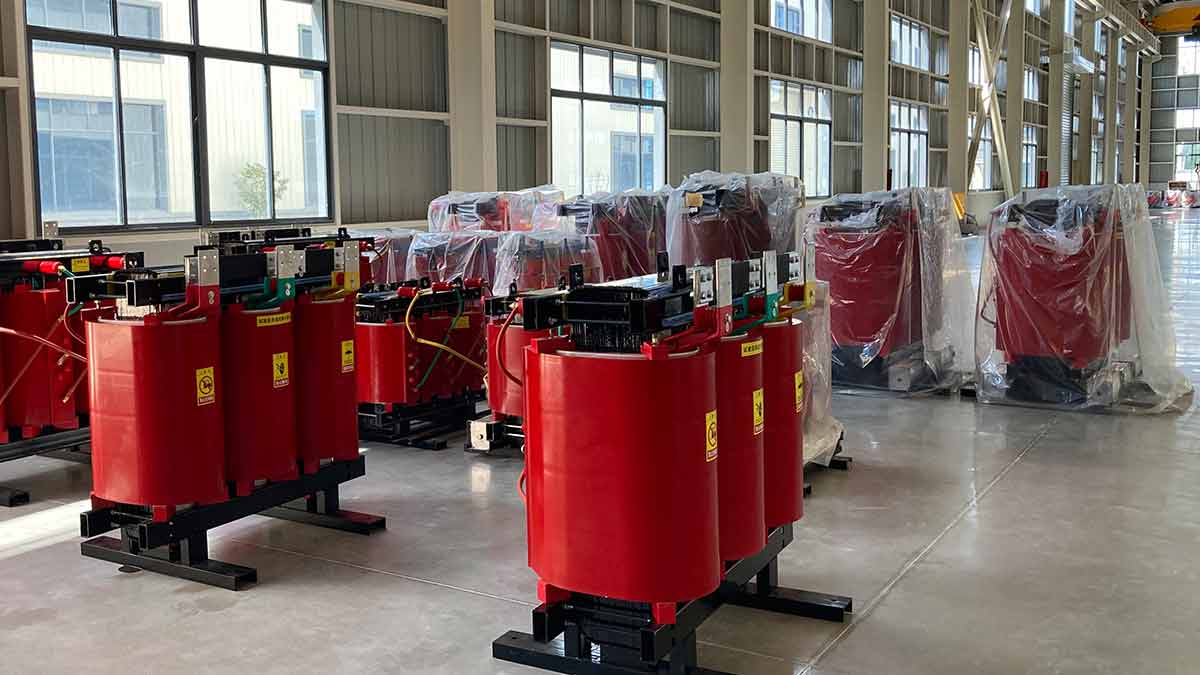
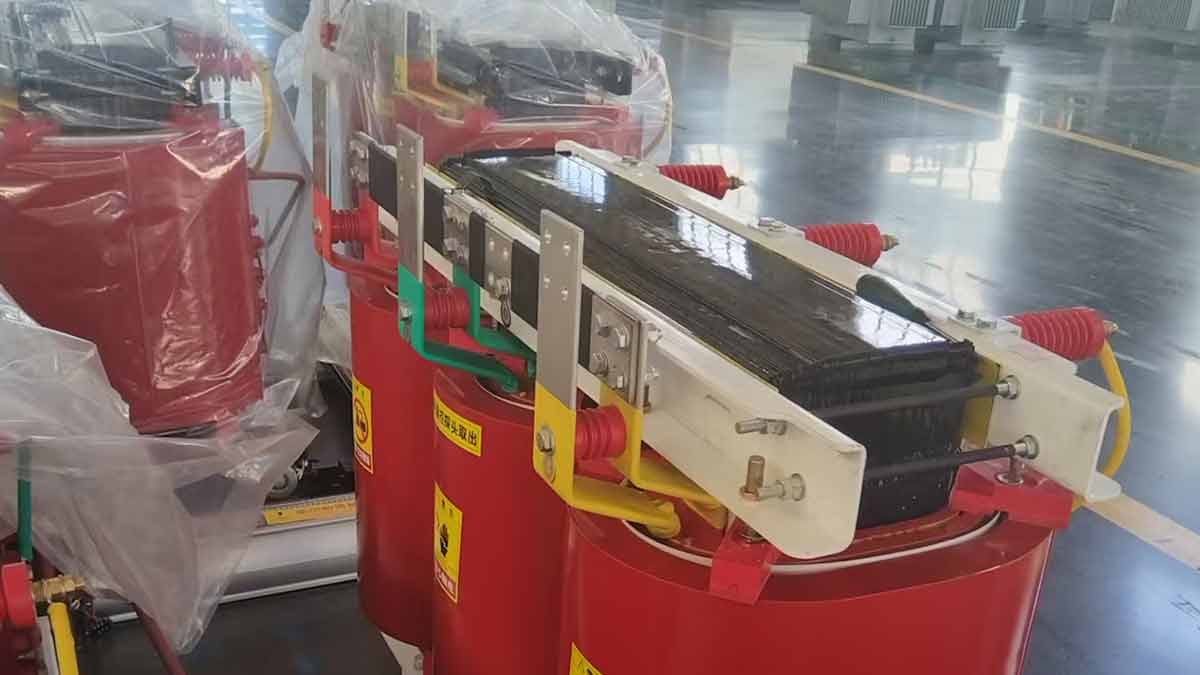
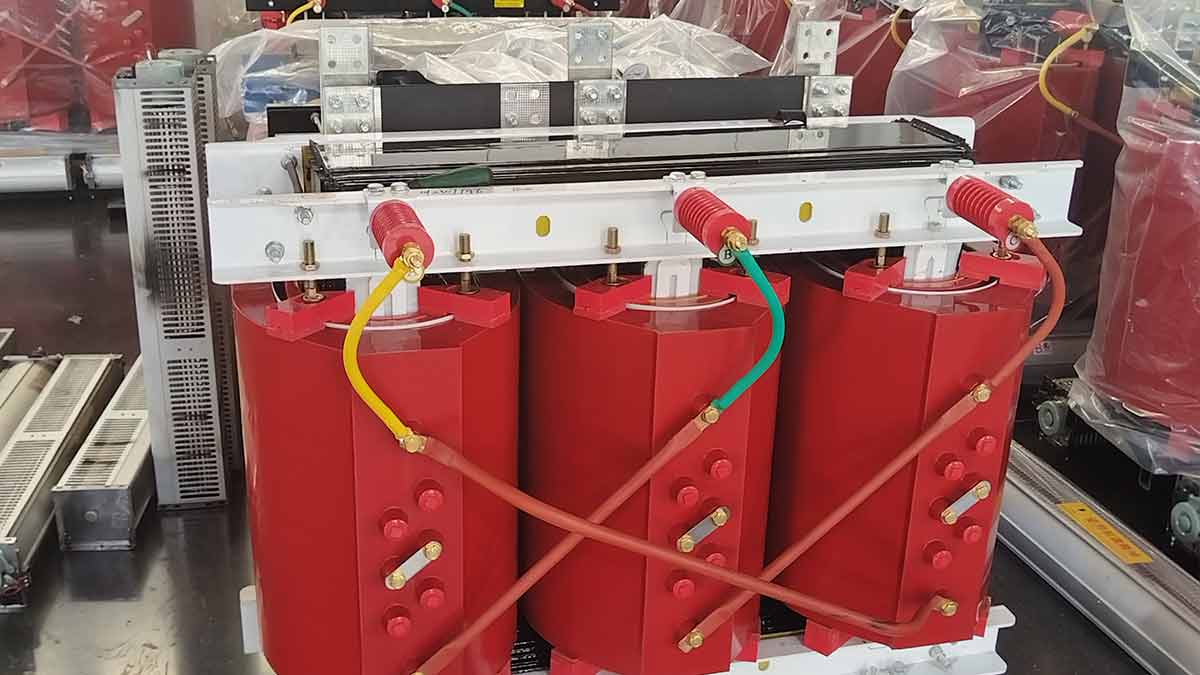
A 3 phase dry type transformer is a static electrical device designed to convert alternating current (AC) voltage levels between three-phase power systems, utilizing the principle of electromagnetic induction without the use of insulating oil. Unlike oil-immersed transformers, which rely on liquid insulation and cooling, dry type transformers employ solid insulation materials—such as epoxy resin, Nomex, or vacuum-formed polyester—to insulate windings and core components. This fundamental design difference eliminates the risk of oil leaks, fire hazards, and environmental contamination, making them ideal for installations in confined spaces, high-rise buildings, data centers, and areas with strict safety regulations.

At its core, the transformer’s functionality is rooted in mutual induction, a phenomenon first described by Michael Faraday in the 19th century. When an alternating current flows through the primary winding (connected to the input voltage source), it generates a time-varying magnetic flux within the iron core. This magnetic flux links with the secondary winding (connected to the load), inducing an electromotive force (EMF) in the secondary coil. The voltage ratio between the primary and secondary windings is directly proportional to the turns ratio of the coils—allowing precise control over voltage elevation (step-up) or reduction (step-down) to match the requirements of electrical equipment.
Three-phase transformers offer distinct advantages over single-phase models in high-power applications. By distributing the load across three separate windings, they deliver a more balanced power supply, reduce harmonic distortion, and achieve higher efficiency at lower operating costs. This makes them the preferred choice for industrial machinery, commercial buildings, renewable energy systems, and utility-scale power distribution networks.
The operation of a 3 phase dry type transformer is governed by the laws of electromagnetic induction, specifically Faraday’s Law and Lenz’s Law, which govern the relationship between magnetic fields and induced electrical currents. To understand the working principle in detail, let’s break down the key stages of energy conversion:
When three-phase AC power is supplied to the primary windings, each winding carries a current that varies sinusoidally with time, but is offset by 120 degrees from the other two phases. This phase shift creates a rotating magnetic field within the iron core—a unique characteristic of three-phase systems that eliminates the need for a starting winding (unlike single-phase transformers). The iron core, typically constructed from laminated silicon steel sheets, is designed to minimize eddy current losses and maximize magnetic flux density. As the alternating current flows through the primary windings, the magnetic field expands and collapses rhythmically, cutting through the secondary windings to induce voltage.
The rotating magnetic flux from the primary windings links with the secondary windings, which are wound around the same iron core. According to Faraday’s Law, the magnitude of the induced EMF in the secondary winding is proportional to the rate of change of magnetic flux linkage, the number of turns in the secondary coil, and the magnetic permeability of the core material. Mathematically, this is expressed as:
E=NdtdΦ
Where is the induced EMF, N is the number of turns in the winding, and is the rate of change of magnetic flux. The voltage ratio between the primary (Vp) and secondary (Vs) windings is therefore approximately equal to the turns ratio (Np/Ns):
VsVp≈NsNp
For step-up transformers (used in power generation plants to transmit electricity over long distances), the secondary winding has more turns than the primary, increasing the output voltage. For step-down transformers (used in distribution networks to supply power to buildings and equipment), the secondary winding has fewer turns, reducing the voltage to a safe and usable level.
In addition to voltage conversion, 3 phase dry type transformers also transform current and impedance. The power input to the primary winding (minus losses) is equal to the power output from the secondary winding, assuming ideal operating conditions. This means that as voltage increases, current decreases proportionally, and vice versa:
IsIp≈NpNs
Where are the primary and secondary currents, respectively? Impedance transformation is another critical function, as transformers can match the impedance of a power source to the impedance of a load—maximizing power transfer and minimizing signal reflection. This is particularly important in electronic circuits, precision instruments, and industrial control systems.
Unlike oil-immersed transformers, which use oil for both insulation and cooling, dry type transformers rely on air cooling to dissipate heat generated during operation. Two common cooling methods are employed:
- Natural Air Cooling (AN): Heat is dissipated through convection and radiation, with the transformer’s windings and core designed to maximize surface area for heat transfer. This method is suitable for low-to-medium power ratings (typically up to 1000 kVA) and environments with adequate ventilation.
- Forced Air Cooling (AF): Fans are used to circulate air across the windings and core, enhancing heat dissipation and allowing the transformer to handle higher loads. Forced air cooling can increase the transformer’s output capacity by 30-50% compared to natural cooling, making it ideal for high-power applications or confined spaces with limited airflow.
Technical parameters are critical for selecting the right 3 phase dry type transformer for a specific application, as they define the device’s performance limits, compatibility, and reliability. Below is a detailed breakdown of the most important parameters, including expanded specifications and their practical implications:
The rated capacity (or apparent power) of a transformer is the maximum power it can deliver continuously without exceeding temperature limits. For 3 phase dry type transformers, standard-rated capacities range from 5 kVA to 2500 kVA, with custom designs available for higher power requirements. The selection of rated capacity depends on the total connected load, load factor (average load vs. peak load), and future expansion plans. For example:
- Small transformers (5-50 kVA) are suitable for residential buildings, small offices, and precision instruments.
- Medium transformers (63-630 kVA) are used in commercial buildings, shopping malls, and light industrial applications.
- Large transformers (800-2500 kVA) are ideal for heavy industry, data centers, and utility distribution networks.
Transformers are designed to operate at specific primary (input) and secondary (output) voltage levels, which must match the power system and load requirements. Common rated voltages for 3 phase dry type transformers include:
- High Voltage (Primary): 6.3 kV, 10 kV, 10.5 kV, 11 kV, 20 kV, 35 kV (adaptable to regional power grid standards).
- Low Voltage (Secondary): 0.4 kV (400 V) is the most common for industrial and commercial applications, while 0.23 kV (230 V) is used for residential loads.
It is critical to select the correct voltage rating to avoid equipment damage, inefficient operation, or safety hazards. For example, a transformer rated for 10 kV primary voltage cannot be connected to a 11 kV power grid without modification.
Impedance voltage (also known as short-circuit voltage) is the percentage of rated voltage required to circulate rated current through one winding when the other winding is short-circuited. Standard impedance voltage values for 3 phase dry type transformers are 4%, 4.5%, 6%, and 8%, with 4% and 4.5% being the most common for low-voltage distribution.
Impedance voltage plays a key role in:
- Limiting short-circuit currents, protecting the transformer and connected equipment from damage.
- Ensuring stable voltage regulation under varying load conditions.
- Determining the transformer’s compatibility with parallel operation (multiple transformers connected to the same power system).
A higher impedance voltage reduces short-circuit currents but may result in poorer voltage regulation, while a lower impedance voltage improves regulation but allows higher short-circuit currents.
Insulation class defines the maximum operating temperature of the transformer’s insulation materials, which directly impacts its lifespan and reliability. Dry type transformers typically use the following insulation classes (per IEC 60076 standards):
- Class F: Maximum temperature rise of 105°C (operating temperature up to 155°C), using materials such as epoxy resin and glass fiber.
- Class H: Maximum temperature rise of 125°C (operating temperature up to 180°C), using materials such as Nomex and silicone rubber.
- Class C: Maximum temperature rise of 150°C (operating temperature up to 220°C), used for high-temperature environments (e.g., steel mills, foundries).
Class F is the most widely used for general-purpose applications, offering a balance of performance and cost. Classes H and C are preferred for harsh environments or high-load applications where temperature tolerance is critical.
- Cooling Method: AN (Natural Air) or AF (Forced Air), as discussed earlier.
- Short-Circuit Withstand Capacity: The ability to withstand short-circuit currents for a specified duration (typically 2 seconds), measured in kA.
- Voltage Regulation: The percentage change in secondary voltage from no-load to full-load, usually ≤2.5% for dry type transformers.
- Noise Level: Measured in dB(A), typically 45-65 dB(A) for low-voltage transformers (critical for noise-sensitive environments like hospitals and offices).
- Protection Level (IP Rating): Ingress protection against dust and water, e.g., IP20 (protection against solid objects >12mm), IP33 (protection against solid objects >2.5mm and splashing water).
Unlike oil-immersed transformers, which include components like oil tanks and conservators, 3 phase dry type transformers feature a simplified, oil-free design focused on solid insulation and air cooling. Below is a detailed overview of their key components and functions:
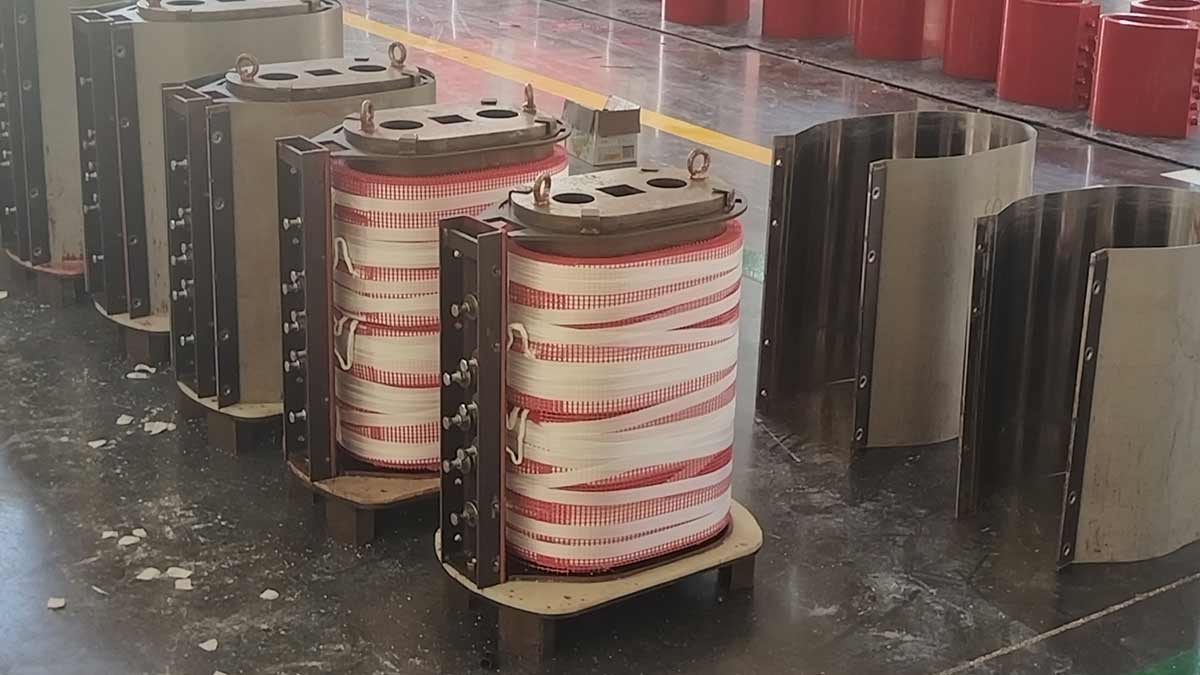
The iron core is the magnetic circuit of the transformer, responsible for concentrating and guiding magnetic flux between the primary and secondary windings. It is constructed from thin, laminated silicon steel sheets (typically 0.35-0.5 mm thick) to minimize eddy current losses—caused by alternating magnetic fields inducing currents in the core material. The laminations are insulated from each other with a thin coating of varnish or oxide, reducing energy waste and improving efficiency.
Core designs for 3 phase dry type transformers are typically either:
- Core-Type: Windings are placed around the legs of a three-legged core, with the magnetic flux closing through the yokes. This design is compact and cost-effective, suitable for most applications.
- Shell-Type: Windings are enclosed by the core, with the magnetic flux splitting into two paths. This design offers better mechanical strength and lower leakage flux but is more complex and expensive.
Windings are the electrical circuits of the transformer, consisting of insulated copper or aluminum conductors wound around the iron core. Copper is preferred for high-efficiency applications due to its lower electrical resistance, while aluminum is used for cost-sensitive projects. The windings are insulated with solid materials like epoxy resin, polyester film, or Nomex to prevent short circuits between turns or phases.
Key winding designs include:
- Layer Winding: Conductors are wound in concentric layers, with insulation between each layer. Suitable for low-voltage, high-current applications.
- Helical Winding: Conductors are wound in a helical (spiral) pattern, offering better heat dissipation and mechanical strength. Used for medium-to-high voltage transformers.
- Disc Winding: Conductors are wound in flat discs, stacked vertically with insulation between discs. Ideal for high-voltage, low-current applications.
The insulation system is critical for the safety and reliability of dry type transformers, as it prevents electrical breakdown between windings, core, and ground. It consists of three main components:
- Turn-to-Turn Insulation: Insulates individual turns within a winding (e.g., polyester film, enamel coating).
- Phase-to-Phase Insulation: Separates the three phases of the windings (e.g., epoxy-impregnated paper, glass fiber).
- Ground Insulation: Insulates the windings and core from the transformer’s metal tank or frame (e.g., epoxy resin, ceramic insulators).
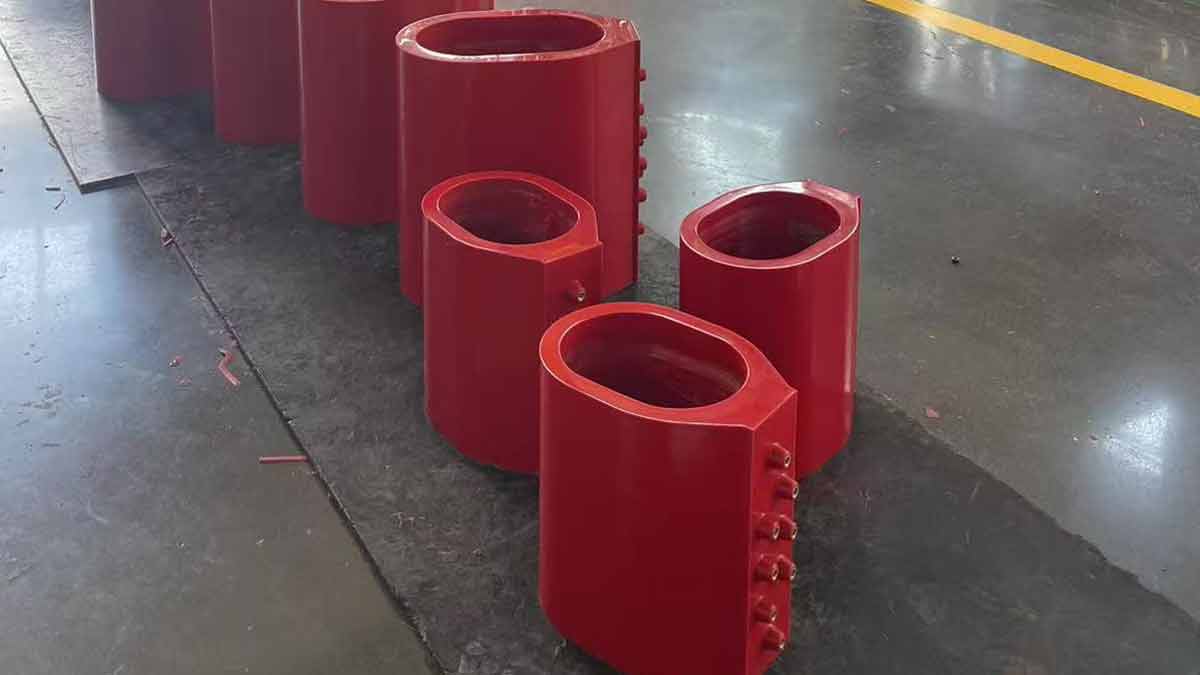
Epoxy resin is the most widely used insulation material for dry type transformers, offering excellent mechanical strength, chemical resistance, and thermal stability. Some transformers use epoxy casting—where windings are encapsulated in a solid epoxy resin block—providing enhanced protection against moisture, dust, and vibration.
As mentioned earlier, dry type transformers rely on air cooling. The cooling system includes:
- Cooling Fins: Attached to the core or windings to increase surface area for heat dissipation (natural cooling).
- Fans: Installed on the transformer’s housing to force air flow across the windings and core (forced cooling). Fans are typically temperature-controlled, activating automatically when the transformer’s temperature exceeds a set threshold.
The housing protects the internal components from dust, moisture, physical damage, and unauthorized access. It is constructed from sheet steel or aluminum, with ventilation openings to facilitate air flow. The protection level (IP rating) of the housing varies based on the application:
- Indoor transformers: IP20 or IP23 (protection against large objects and limited moisture).
- Outdoor or harsh environment transformers: IP33 or IP54 (protection against dust, rain, and splashing water).
Some housings also include noise-dampening materials to reduce operating noise, making them suitable for residential or office areas.
Terminal blocks provide connection points for the primary and secondary windings, allowing easy wiring to the power system and load. Bushings are insulating devices that pass the conductor through the housing, preventing electrical contact between the conductor and the metal frame. For high-voltage transformers, bushings are typically made of ceramic or epoxy resin to withstand high electrical stress.
Modern 3 phase dry type transformers often include built-in monitoring and protection devices to ensure safe operation and prevent damage:
- Temperature Sensors (Thermistors): Monitor the winding temperature, triggering alarms or shutting down the transformer if temperatures exceed safe limits.
- Overload Protection: Prevents damage from excessive current by tripping a circuit breaker or disconnect switch.
- Short-Circuit Protection: Uses fuses or circuit breakers to interrupt short-circuit currents quickly.
- Earth Fault Protection: Detects ground faults and isolates the transformer to prevent electric shock hazards.
3 phase dry type transformers are versatile devices used in a wide range of applications, thanks to their safety, reliability, and environmental compatibility. Below are the key industries and use cases where these transformers excel:
Commercial buildings—such as shopping malls, office towers, hotels, and hospitals—require safe, quiet, and space-efficient power distribution solutions. 3 phase dry type transformers are ideal for these environments because:
- They eliminate the risk of oil leaks and fires, protecting occupants and property.
- They operate at low noise levels (45-60 dB(A)), suitable for noise-sensitive areas like offices and hospitals.
- They can be installed in basements, utility rooms, or ceiling cavities, saving floor space.
Common applications in commercial buildings include powering lighting systems, HVAC (heating, ventilation, and air conditioning) equipment, elevators, and office machinery.
The industrial sector relies on high-power, robust transformers to supply electricity to heavy machinery, production lines, and control systems. 3 phase dry type transformers are widely used in:
- Manufacturing Plants: Automobile factories, electronics assembly lines, and metal processing plants require stable power to operate precision machinery. Dry type transformers withstand harsh industrial environments (e.g., dust, vibration) and provide reliable voltage regulation.
- Oil and Gas Industry: Offshore platforms, refineries, and pipelines use explosion-proof dry type transformers (IP54 or higher) to avoid fire hazards in hazardous areas.
- Renewable Energy Projects: Solar farms and wind turbines use dry type transformers to step up voltage for grid connection. Their compact design and resistance to weather conditions make them suitable for outdoor installations.
Data centers and telecommunications facilities require an uninterrupted power supply to support servers, storage systems, and communication equipment. 3 phase dry type transformers are critical for these applications because:
- They offer high efficiency (≥98%), reducing energy consumption and operating costs.
- They have a long lifespan (20-30 years) with minimal maintenance, ensuring continuous operation.
- They can be integrated with UPS (Uninterruptible Power Supply) systems to provide backup power during outages.
Hospitals and medical clinics demand ultra-reliable power to operate life-saving equipment like MRI machines, CT scanners, defibrillators, and patient monitors. Dry type transformers are preferred because:
- They provide clean, stable power with low harmonic distortion, ensuring accurate operation of precision medical devices.
- They are non-toxic and environmentally friendly, complying with strict healthcare regulations.
- They can be installed in close proximity to patient areas without safety risks.
Large residential complexes, apartment buildings, and gated communities require efficient power distribution to multiple units. 3 phase dry type transformers are used to step down high-voltage grid power to 400V/230V for residential use. Their compact design allows installation in utility rooms or underground vaults, and their low maintenance requirements reduce long-term costs for property managers.
Transportation systems—such as airports, railway stations, and subway systems—rely on 3 phase dry type transformers to power lighting, signaling, and traction systems. For example:
- Airports use transformers to power baggage handling systems, security equipment, and terminal facilities.
- Railway stations and subway systems use transformers to supply power to electric trains and signaling networks.
- Highway lighting and traffic control systems use small dry type transformers for reliable operation in outdoor environments.
Compared to oil-immersed transformers, 3 phase dry type transformers offer numerous advantages that make them the preferred choice for many applications:
The most significant advantage of dry type transformers is their safety. Without insulating oil, there is no risk of leaks, spills, or fires—even in high-temperature or overloaded conditions. This makes them suitable for installation in occupied buildings, data centers, and areas with strict fire safety codes (e.g., NFPA 70, IEC 60076).
Dry type transformers are eco-friendly, as they do not contain toxic or hazardous materials. Unlike oil-immersed transformers, which require regular oil changes and pose a risk of soil or water contamination, dry type transformers produce no waste and have a minimal environmental footprint. They are fully recyclable at the end of their lifespan, aligning with global sustainability goals.
Dry type transformers require little to no maintenance compared to oil-immersed models. There is no need to monitor oil levels, test oil quality, or replace oil filters. Routine maintenance typically involves cleaning the windings and cooling system to remove dust and debris, reducing downtime and operating costs.
Dry type transformers have a smaller footprint than oil-immersed transformers, as they do not require large oil tanks or cooling systems. This makes them ideal for installations in confined spaces, such as basements, utility rooms, and high-rise buildings. They can also be mounted on walls or ceilings, further saving floor space.
Dry type transformers are designed to operate in a wide range of temperatures, from -20°C to +40°C (depending on the insulation class). They can withstand extreme temperature fluctuations without compromising performance, making them suitable for both indoor and outdoor applications.
Dry type transformers operate at significantly lower noise levels than oil-immersed transformers, typically 45-65 dB(A) at full load. This makes them suitable for noise-sensitive environments like offices, hospitals, and residential areas.
Selecting the right 3 phase dry type transformer requires careful consideration of several factors to ensure optimal performance, reliability, and cost-effectiveness. Below is a step-by-step guide to help you make an informed decision:
- Total Connected Load: Calculate the total power consumption of all connected equipment (in kVA).
- Load Factor: Estimate the average load vs. peak load (typically 0.7-0.8 for commercial applications, 0.8-0.9 for industrial applications).
- Future Expansion: Allocate 10-20% extra capacity to accommodate future load growth.
- Primary Voltage: Ensure the transformer’s primary voltage matches the local power grid (e.g., 10 kV, 11 kV).
- Secondary Voltage: Select the secondary voltage based on the load requirements (e.g., 0.4 kV for industrial machinery, 0.23 kV for residential use).
- Class F: Suitable for general-purpose applications with moderate temperature requirements.
- Class H: Ideal for high-temperature environments or high-load applications.
- Class C: Used for extreme temperature conditions (e.g., steel mills, foundries).
- Natural Air Cooling (AN): For low-to-medium power ratings and well-ventilated areas.
- Forced Air Cooling (AF): For high-power ratings or confined spaces with limited airflow.
- Indoor vs. Outdoor: Choose an IP rating suitable for the installation environment (e.g., IP20 for indoor, IP33 for outdoor).
- Dust and Moisture: For dusty or humid environments, select a transformer with a higher IP rating and sealed windings.
- Look for transformers with high efficiency ratings (≥98%) to reduce energy consumption and operating costs.
- Consider energy efficiency standards like IE2 or IE3 (per IEC 60076-11) for long-term savings.
- Ensure the transformer has built-in protection devices (temperature sensors, overload protection, short-circuit protection).
- Verify the short-circuit withstand capacity matches the power system’s short-circuit current.
Proper maintenance is essential to extend the lifespan of 3 phase dry type transformers and ensure reliable operation. Below are key maintenance practices to follow:
- Clean the windings, cooling fins, and fans every 6-12 months to remove dust, dirt, and debris. Use a soft brush or compressed air (low pressure) to avoid damaging insulation.
- For transformers in dusty environments, install air filters on ventilation openings to reduce dust accumulation.
- Check the winding temperature regularly using built-in thermistors or an infrared thermometer. Ensure temperatures do not exceed the insulation class’s maximum limit.
- Calibrate temperature sensors annually to ensure accurate readings.
- Inspect terminal blocks and bushings for signs of corrosion, loose connections, or arcing. Tighten loose connections and replace damaged components.
- Test insulation resistance every 1-2 years using a megohmmeter to detect insulation degradation.
- For forced air cooling systems, inspect fans for proper operation and clean fan blades regularly. Replace faulty fans immediately.
- Ensure ventilation openings are not blocked by equipment or debris, as this can reduce cooling efficiency.
- Monitor the transformer’s load regularly to avoid overloading. Use a power analyzer to measure current, voltage, and power factor.
- If the load exceeds the rated capacity, consider upgrading to a larger transformer or reducing the load.
- Ensure the installation area is dry, well-ventilated, and free from corrosive gases or chemicals.
- For outdoor transformers, protect against rain, snow, and direct sunlight using a weatherproof enclosure.
3 phase dry type transformers are essential components of modern power systems, offering a safe, reliable, and environmentally friendly solution for voltage transformation and power distribution. Their oil-free design, compact size, low maintenance requirements, and versatility make them suitable for a wide range of applications—from commercial buildings and industrial plants to data centers and healthcare facilities.
By understanding the core principles, technical parameters, key components, and applications of 3 phase dry type transformers, you can select the right device for your specific needs and ensure optimal performance. Whether you are upgrading an existing power system or designing a new one, 3 phase dry type transformers provide a cost-effective, efficient, and sustainable solution that meets the demands of today’s energy-intensive world.
As the industry continues to evolve, advancements in insulation materials, cooling technology, and monitoring systems will further enhance the performance and reliability of 3 phase dry type transformers, making them an even more critical asset for the future of power distribution.