
3 Phase Distribution Transformer Daily Inspection

The reliable operation of 3 phase distribution transformers stands as a cornerstone of modern power distribution systems. These devices bridge the gap between high – voltage transmission networks and low – voltage end – user applications, ensuring a steady supply of electricity to residential areas, commercial establishments, and industrial facilities. However, like all electrical equipment, distribution transformers are subject to wear and tear over time due to continuous operation, environmental factors, and electrical stress. Neglecting proper maintenance can lead to reduced operational efficiency, increased energy loss, unexpected breakdowns, and even safety hazards that disrupt power supply for extended periods.
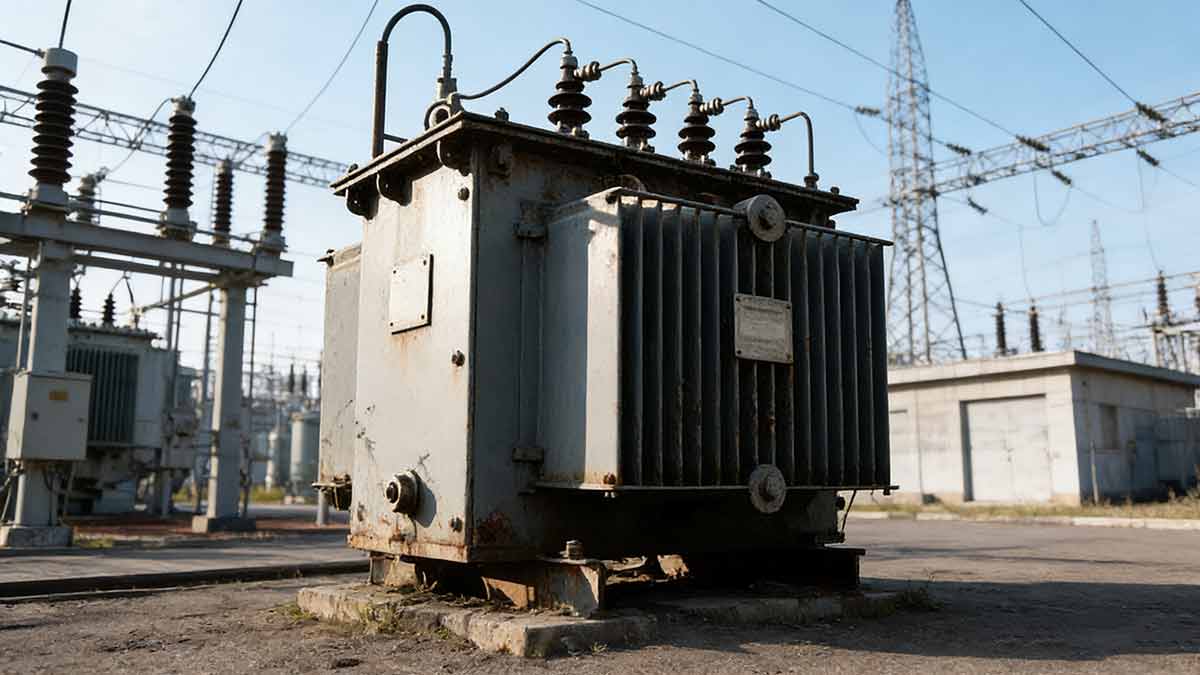
To maximize the service life of 3 phase distribution transformers, optimize their performance, and minimize the risk of failures, targeted maintenance of three critical components—the iron core, winding, and insulators—is essential. This guide delves into the detailed maintenance procedures, key inspection points, and best practices for each component, providing practical insights for maintenance technicians and facility managers.
 
power-distribution-transformer-manufacturers-(5)

Transformer Core Maintenance: Ensuring Structural Integrity and Insulation Reliability

The iron core is the magnetic heart of a three-phase distribution transformer, responsible for concentrating and guiding the magnetic flux generated by the windings. Its structural stability and insulation performance directly impact the transformer’s energy efficiency and operational safety. Neglecting core maintenance can result in increased iron loss, excessive vibration and noise, and even core-related faults that compromise the entire unit.

Tightening Verification of Core Fastening Components

The core assembly relies on a set of fastening components—including upper and lower splints, pressure plates, and square iron—to maintain its structural integrity during operation. These components are tasked with holding the core laminations together firmly, preventing displacement caused by magnetic forces and mechanical vibration.
 
Maintenance personnel must conduct a systematic tightening check using calibrated wrenches, rather than relying on manual estimation. Each bolt on the splints, pressure plates, and square iron should be tightened one by one in a cross-diagonal sequence to ensure uniform force distribution. It is crucial to adhere to the torque specifications recommended by the transformer manufacturer, as over-tightening can deform the metal components, while under-tightening may lead to loose laminations.
 
Loose fastening components can trigger a series of problems. For instance, the core laminations may shift during operation, increasing the air gap between laminations and elevating iron loss, which in turn raises the transformer’s operating temperature. Additionally, loose parts can amplify vibration, generating excessive noise that violates environmental noise standards, especially in residential areas. Regular torque checks—recommended every six months for indoor transformers and every three months for outdoor units exposed to harsh weather—are key to preventing such issues.

Flatness and Lamination Tightness Assessment

After completing the fastening checks, technicians need to evaluate the overall flatness of the iron core and the tightness of individual laminations. A flat core surface is essential for ensuring uniform contact with the windings and avoiding localized magnetic flux concentration. To assess flatness, maintenance teams can use a precision straightedge and feeler gauge to measure gaps between the straightedge and the core surface at multiple points. Any deviation exceeding the manufacturer’s specified tolerance range indicates a need for corrective action, such as adjusting the position of the splints or replacing deformed components.
 
Lamination tightness is equally critical. The core is constructed from stacked silicon steel laminations, which are insulated from each other to reduce eddy current loss. If the laminations become loose, eddy currents can form between adjacent laminations, leading to localized overheating and insulation degradation. Technicians should visually inspect the core edges for signs of lamination separation and gently tap the core surface with a non – non-conductive mallet to listen for rattling sounds, which indicate loose laminations. In cases where lamination loosening is detected, re-tightening the fastening bolts or adding insulation pads between the splints and laminations can restore tightness.

Insulation Coating Inspection for Core Laminations
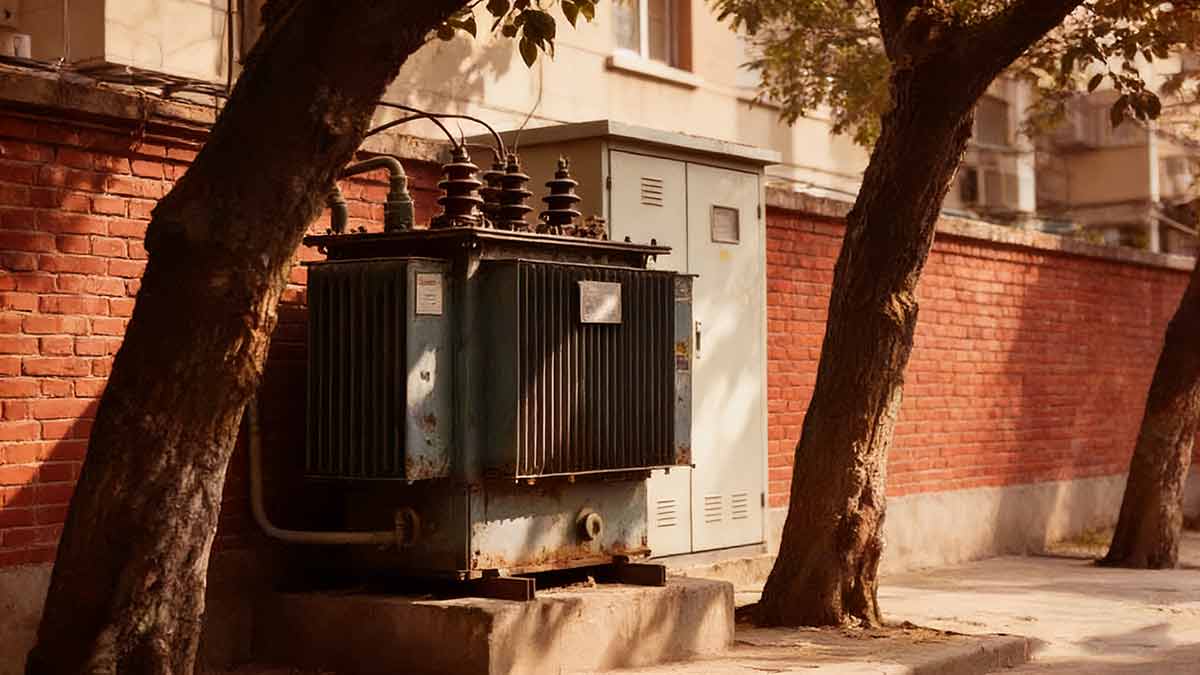
The insulation paint film on the surface of core laminations is a critical barrier against eddy currents and corrosion. Over time, this coating can degrade due to temperature fluctuations, moisture intrusion, and mechanical friction. During maintenance, technicians must conduct a thorough visual inspection of the insulation coating to check for completeness, peeling, cracking, or bubbling.
power-distribution-transformer-manufacturers-(18)
Special attention should be paid to areas prone to wear, such as the edges of laminations and contact points with fastening components. Even minor peeling can create pathways for eddy currents, increasing energy loss and accelerating core aging. If localized coating damage is found, the affected area should be cleaned with a solvent – free cleaner, dried thoroughly, and recoated with a high – temperature – resistant insulation paint that meets industry standards. For extensive coating degradation, a full core re-coating may be necessary to ensure long-term insulation performance.

Insulation Resistance Measurement for Through-Hole Screws

Through-hole screws play a dual role in securing the core assembly and maintaining electrical isolation between the core and the transformer’s tank. To verify their insulation performance, maintenance personnel must measure the insulation resistance between the through-hole screws and the ground, as well as between the screws and the iron core. This test should be conducted using a megohmmeter with a voltage rating appropriate for the transformer’s voltage class—typically 1000V DC for low-voltage distribution transformers.
 
Before testing, the transformer should be disconnected from the power grid, and all external connections should be grounded to discharge residual electricity. The insulation resistance values obtained should be compared with the manufacturer’s baseline data and industry standards. A significant drop in insulation resistance—for example, a value below 100 MΩ for new transformers or a 50% reduction from previous test results—indicates potential insulation degradation, which may be caused by moisture absorption, surface contamination, or insulation material aging.
 
In such cases, the through-hole screws should be removed, cleaned of dirt and corrosion, and re-insulated with high-quality insulating sleeves and washers. After reassembly, a retest should be performed to confirm that the insulation resistance has returned to acceptable levels. Maintaining proper insulation resistance for through-hole screws is vital to preventing ground faults and ensuring the safe operation of the transformer.

Winding Maintenance for 3 Phase Distribution Transformers: Safeguarding Electrical Performance and Stability

The windings are the electrical backbone of a three-phase distribution transformer, responsible for converting voltage levels through electromagnetic induction. Any damage or degradation to the windings can lead to severe faults, such as short circuits, overheating, and complete transformer failure. Effective winding maintenance focuses on identifying physical defects, evaluating insulation condition, and ensuring unobstructed heat dissipation.

Comprehensive Inspection of Winding Physical Condition
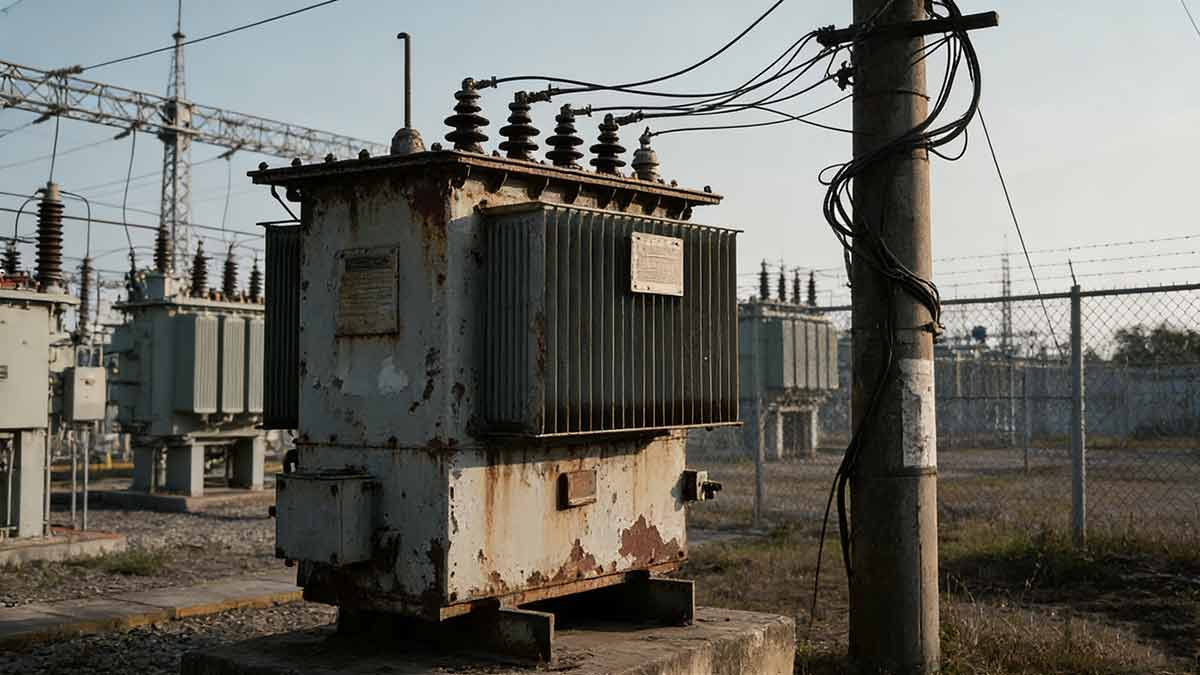
The first step in winding maintenance is a detailed visual inspection to check for signs of displacement, inclination, damage, deformation, insulation discoloration, and discharge traces. Displacement or inclination of windings often occurs due to transportation vibration, short-circuit forces, or improper installation. Even minor shifts can alter the air gap between high-voltage and low-voltage windings, leading to uneven magnetic flux distribution and localized overheating.
 
Technicians should use a laser alignment tool to measure the concentricity of the windings and compare the results with the original design specifications. For transformers with accessible winding structures, a borescope can be used to inspect hard – to – reach areas for hidden damage. Deformation of windings—such as bulging or collapsing—may be caused by overloading or internal short circuits, and such transformers should be taken out of service immediately for further testing.
 
power-distribution-transformer-manufacturers-(6)
Insulation discoloration is another key indicator of winding health. Normal transformer winding insulation has a uniform, light – colored appearance, while overheating causes the insulation to turn yellow, brown, or even black. Discharge traces—characterized by white or grayish – white deposits on the insulation surface—are a sign of partial discharge, which can erode the insulation over time and lead to turn – to – turn short circuits.
 
Additionally, the winding surface must be kept free of dirt and impurities. Dust, oil, and moisture can accumulate on the windings, forming conductive paths that reduce insulation resistance. Technicians should clean the windings using compressed air with a pressure of no more than 0.3 MPa to avoid damaging the insulation, followed by wiping with a lint-free cloth soaked in a dielectric-compatible cleaner.

Evaluation of Lead Wire Insulation State

The lead wires connecting the windings to the transformer’s bushings are critical for transmitting electrical current, and their insulation condition directly impacts the transformer’s operational safety. During maintenance, technicians must carefully inspect the lead wire insulation for signs of brittle deformation, strand breakage, and incomplete insulation.
 
Brittle deformation of insulation is often caused by long-term exposure to high temperatures and ultraviolet radiation, especially for outdoor transformers. Brittle insulation is prone to cracking, which exposes the underlying conductor and increases the risk of short circuits. Strand breakage, on the other hand, can occur due to mechanical stress during installation or vibration during operation, leading to increased contact resistance and localized overheating.
 
To evaluate lead wire insulation, technicians should gently bend the insulation (taking care not to damage it) to check for flexibility and inspect the surface for cracks, tears, or peeling. For lead wires with damaged insulation, the affected section should be trimmed, and new insulation sleeves should be installed using heat-shrink tubing that meets the transformer’s temperature and voltage requirements. In cases where strand breakage is detected, the lead wire should be replaced entirely to ensure a reliable electrical connection.

Maintenance of Air Duct Unobstructedness Between Windings
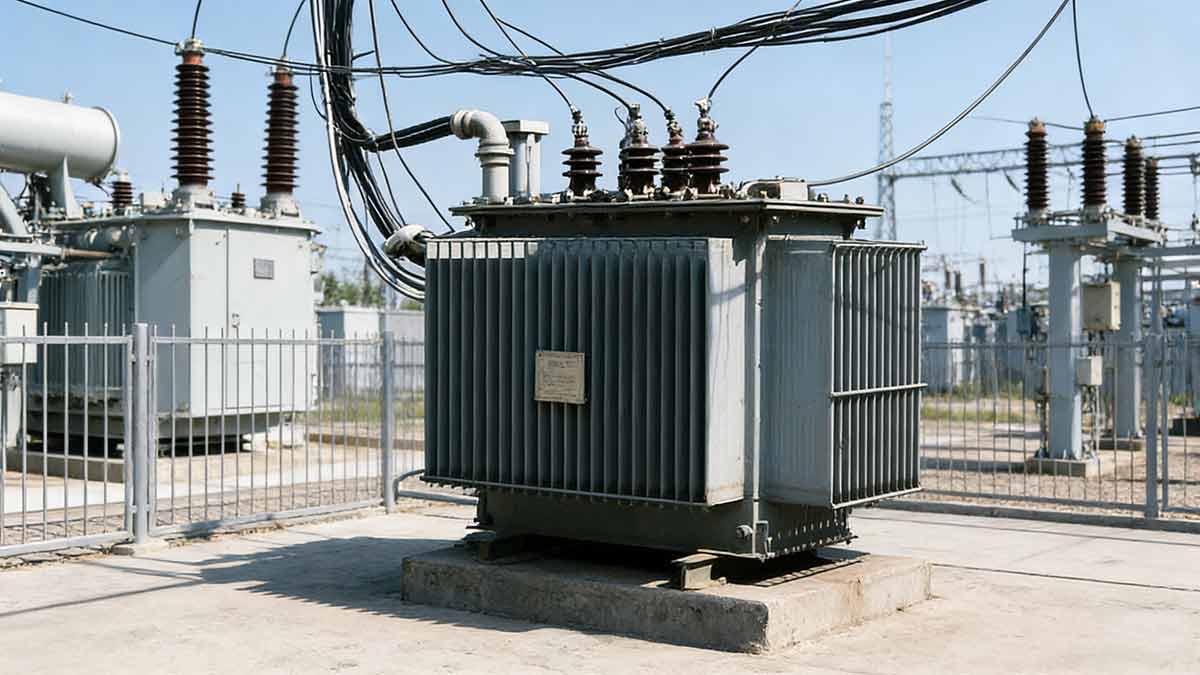
The air ducts between high-voltage and low-voltage windings are designed to facilitate heat dissipation, which is essential for preventing winding overheating. Over time, these ducts can become blocked by dust, debris, or insulation particles, reducing airflow and compromising heat dissipation efficiency. A blocked air duct can cause the winding temperature to rise beyond safe limits, accelerating insulation aging and shortening the transformer’s service life.
power-distribution-transformer-manufacturers-(12)
During maintenance, technicians must inspect all air ducts to ensure they are fully unobstructed. For transformers with removable end covers, the covers can be removed to access the ducts directly. For sealed transformers, a borescope can be used to inspect the internal ducts. Any blockages found should be removed using compressed air or a soft-bristled brush—avoiding the use of sharp tools that may damage the winding insulation.
 
In addition to cleaning, technicians should also check the structural integrity of the air duct spacers. Damaged or missing spacers can cause the windings to shift, reducing the size of the air ducts and impeding airflow. Replacement spacers should be made from high – temperature – resistant materials that match the original specifications. Regular inspection and cleaning of air ducts—recommended every six months—are essential to maintaining optimal heat dissipation and ensuring the long-term stability of the windings.

Insulator Maintenance for 3 Phase Distribution Transformers: Preserving Dielectric Strength and Operational Safety

Insulators are critical components that provide electrical isolation between the transformer’s live parts and its grounded tank. They play a vital role in preventing leakage current and flashovers, which can lead to power outages and equipment damage. Effective insulator maintenance focuses on cleanliness, defect detection, and mechanical stability.

Insulator Cleanliness Preservation

Maintaining the cleanliness of insulators is fundamental to ensuring their dielectric strength. Insulators installed in outdoor environments are prone to accumulating dust, dirt, salt spray, and industrial pollutants, especially in coastal areas, industrial zones, and urban centers with high levels of air pollution. These contaminants can absorb moisture from the air, forming a conductive film on the insulator surface that reduces insulation resistance. If the insulation resistance drops below a critical level, flashovers can occur, causing short circuits and transformer failure.
 
The frequency of insulator cleaning depends on the operating environment. For transformers in rural or low-pollution areas, cleaning once a year may be sufficient. For those in industrial or coastal areas, cleaning should be performed every three to six months. The cleaning process should be carried out with the transformer disconnected from the power grid. Technicians can use a high-pressure water jet with a mild detergent to remove surface contaminants, followed by rinsing with clean water to eliminate detergent residues. For insulators with stubborn stains, a soft-bristled brush can be used to gently scrub the surface—taking care not to scratch the insulator glaze, which would compromise its waterproof and anti-pollution properties.

Inspection for Creepage and Carbonization on Insulators

Creepage and carbonization are serious defects that can compromise the performance of insulators. Creepage refers to the flow of leakage current along the insulator surface, which can erode the glaze and create a conductive path over time. Carbonization, on the other hand, is the formation of carbon deposits on the insulator surface due to partial discharge or flashovers. These carbon deposits are highly conductive and can lead to permanent insulation failure if not addressed promptly.
 
During maintenance, technicians must conduct a thorough visual inspection of all insulators for signs of creepage and carbonization. Creepage is typically characterized by a brown or blackish trail along the insulator surface, while carbonization appears as a black, powdery deposit. Special attention should be paid to the edges and corners of insulators, where electric field concentrations are highest, and creepage is most likely to occur.
 
If creepage or carbonization is detected, the affected insulator should be cleaned thoroughly to remove all deposits. If the glaze has been severely eroded, the insulator should be replaced immediately, as cleaning alone will not restore its dielectric strength. In addition, technicians should investigate the root cause of the creepage or carbonization—such as overvoltage, excessive pollution, or improper insulator design—and take corrective action to prevent recurrence.

Verification of Insulator Mechanical Fastening
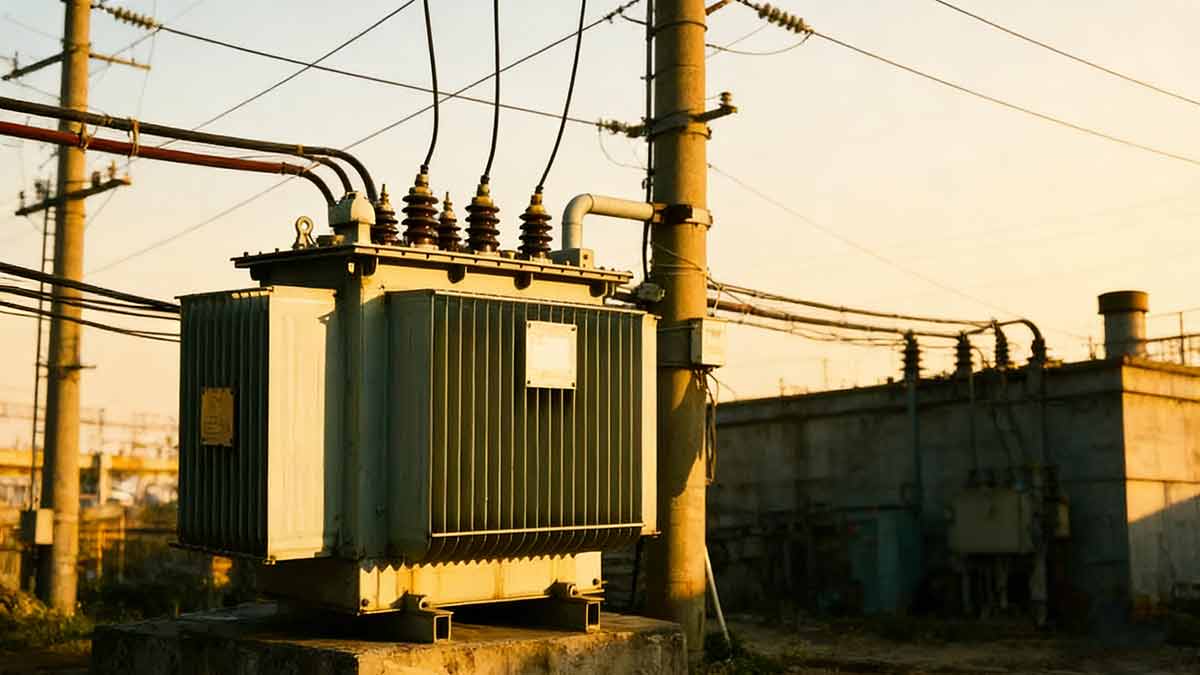
Mechanical stability is just as important as dielectric strength for insulators. Loose or improperly fastened insulators can vibrate during transformer operation, leading to mechanical stress and cracking. A cracked insulator can allow moisture to penetrate the internal structure, accelerating insulation degradation and increasing the risk of flashovers.
power-distribution-transformer-manufacturers-(19)
During maintenance, technicians must check the fastening bolts and brackets of all insulators to ensure they are tight and secure. A torque wrench should be used to verify that the bolts are tightened to the manufacturer’s recommended torque. Technicians should also inspect the insulator brackets for signs of corrosion or deformation, which can compromise the stability of the insulator. Corroded brackets should be cleaned and coated with anti-corrosion paint, while deformed brackets should be replaced.
 
In addition, technicians should perform a tap test on insulators using a non – non-conductive mallet. A healthy insulator will produce a clear, ringing sound, while a cracked insulator will produce a dull, hollow sound. Any insulators that fail the tap test should be replaced immediately to prevent unexpected failures.

Best Practices for 3 Phase Distribution Transformer Maintenance

To ensure the effectiveness of core, winding, and insulator maintenance, it is essential to implement a comprehensive maintenance strategy that combines preventive and corrective measures, adheres to safety protocols, and follows industry best practices.

Establishing a Scheduled Maintenance Plan

A scheduled maintenance plan is the foundation of effective transformer care. The frequency of maintenance should be tailored to the transformer’s operating environment, load profile, and age. New transformers may require less frequent maintenance—typically once a year—while older transformers or those operating in harsh environments may require maintenance every three to six months.
 
The maintenance plan should include detailed checklists for each component, specifying the inspection items, test methods, and acceptance criteria. Maintenance records should be kept in a centralized database, including the date of maintenance, the name of the technician, the test results, and any corrective actions taken. These records provide valuable insights into the transformer’s performance over time and can help identify potential issues before they escalate into major faults.

Distinguishing Between Preventive and Corrective Maintenance

Preventive maintenance is proactive, focusing on identifying and addressing potential issues before they lead to equipment failure. This includes regular inspections, cleaning, and testing of the core, windings, and insulators. Corrective maintenance, on the other hand, is reactive, addressing issues that have already caused equipment degradation or failure. While corrective maintenance is necessary in some cases, preventive maintenance is more cost-effective in the long run, as it reduces the risk of unexpected downtime and expensive repairs.
 
To maximize the benefits of preventive maintenance, maintenance teams should use condition-monitoring technologies, such as thermal imaging cameras and partial discharge detectors, to continuously monitor the transformer’s performance. These technologies can detect early signs of issues—such as localized overheating or partial discharge—allowing maintenance teams to take corrective action before the issues escalate.

Adhering to Strict Safety Protocols During Maintenance

Transformer maintenance involves working with high-voltage equipment, which poses significant safety risks if proper protocols are not followed. Before starting any maintenance work, the transformer must be disconnected from the power grid, and all external connections must be grounded to discharge residual electricity. A lockout – tagout (LOTO) procedure should be implemented to prevent unauthorized reconnection of the transformer to the power grid.
 
Maintenance technicians should wear appropriate personal protective equipment (PPE), including insulated gloves, safety glasses, hard hats, and flame-resistant clothing. All tools used during maintenance should be insulated to prevent electrical shock. In addition, maintenance work should be performed by at least two technicians—one to perform the work and another to provide supervision and emergency assistance.

Conclusion

Three-phase distribution transformers are essential components of modern power distribution systems, and their reliable operation depends on regular, high-quality maintenance. By focusing on the three core components—the iron core, windings, and insulators—and implementing the maintenance procedures and best practices outlined in this guide, facility managers and maintenance technicians can significantly extend the service life of transformers, optimize their operational efficiency, and minimize the risk of unexpected failures.
 
Proper maintenance not only reduces the cost of repairs and downtime but also ensures a steady supply of electricity to end-users, supporting the stability and growth of residential, commercial, and industrial sectors. As power demand continues to grow, investing in comprehensive transformer maintenance is more important than ever, ensuring that these critical devices can meet the challenges of a modern, electrified world.

FAQ About 3 Phase Distribution Transformer

How Does a 3 Phase Distribution Transformer Work Based on Electromagnetic Induction?

Its operation relies on the principle of mutual electromagnetic induction. The transformer consists of three sets of primary and secondary windings wound around a laminated silicon steel core. When high-voltage three-phase AC flows through the primary windings, it generates a rotating magnetic field in the core. This rotating magnetic flux cuts the secondary windings, inducing a three-phase electromotive force (EMF) in them. The voltage conversion ratio is determined by the turns ratio of the windings (U₁/U₂ = N₁/N₂, where U is voltage and N is the number of turns). Since the secondary windings have fewer turns than the primary, the induced voltage is lower, achieving step-down conversion. The three-phase design ensures balanced power transfer, which is critical for powering three-phase industrial machinery and symmetrically distributing single-phase loads across the three phases.

The most prevalent connection configurations for 3 Phase Distribution Transformers are Delta-Wye (Δ-Y), Wye-Delta (Y-Δ), Delta-Delta (Δ-Δ), and Wye-Wye (Y-Y). Delta-Wye is the most widely used for 3-phase 4-wire supply systems: the primary windings are connected in Delta to handle high voltage without a neutral point, while the secondary windings are connected in Wye to provide a neutral wire for single-phase loads. Wye-Delta is typically used for step-up applications in distributed generation (e.g., renewable energy systems). Delta-Delta is suitable for balanced industrial loads and allows continued operation even if one phase fails. Wye-Wye is less common due to issues with unbalanced loads causing neutral point shift and third-harmonic distortion, requiring a neutral grounding resistor for stability.

The primary differences lie in voltage rating, application, and design optimization. 3 Phase Distribution Transformers operate at lower primary voltages (up to 35kV) and are used for final voltage reduction to end users, while power transformers handle high voltages (110kV and above) for long-distance transmission. Distribution transformers are designed for variable, distributed loads, with smaller capacity ratings (typically 30kVA to 2500kVA per GB 20052—2024), whereas power transformers have larger capacities (3150kVA and above) for bulk power transfer. Additionally, distribution transformers prioritize low no-load losses (critical for frequent light-load operation), while power transformers focus on low load losses for continuous full-load operation.

The two primary types are oil-immersed and dry-type. Oil-immersed transformers use insulating oil as both an insulating medium and a cooling agent, offering high thermal conductivity and cost-effectiveness. They are widely used in outdoor distribution networks due to their robust design and high capacity-to-size ratio. Dry-type transformers use air or solid insulation materials (e.g., epoxy resin, Nomex) for cooling and insulation, eliminating the risk of oil leakage and fire. They are preferred for indoor applications such as commercial buildings, data centers, and hospitals where fire safety is critical. The selection depends on environmental conditions, fire regulations, and installation space constraints.

Key sizing parameters include rated capacity, primary/secondary voltage levels, load factor, short-circuit impedance, and ambient temperature. Rated capacity should be selected based on the total connected load plus a 10-20% margin to accommodate future expansion and peak loads. Voltage levels must match the distribution network (e.g., 10kV/0.4kV for urban distribution) and load requirements. The load factor (average load vs. rated load) affects loss efficiency—transformers are optimized for 70-80% load factor. Short-circuit impedance determines the transformer’s ability to withstand fault currents, while ambient temperature influences cooling requirements and derating needs. Compliance with local standards (e.g., GB 20052—2024) for Energy Efficiency Grade is also mandatory.

Common faults include winding faults (turn-to-turn short circuits, phase-to-phase short circuits, open circuits), core faults (multi-point grounding, local overheating), insulation faults (aging, moisture ingress, partial discharge), tap changer faults (contact wear, transition resistor failure), and cooling system faults (oil leakage, fan/pump failure). Winding faults are often caused by short-circuit current impacts or insulation aging; core faults result from insulation damage between silicon steel sheets or metallic contamination; insulation faults are accelerated by high temperature, moisture, and chemical degradation; tap changer faults stem from mechanical wear or poor maintenance; cooling system faults lead to overheating due to inadequate heat dissipation.

Fault diagnosis relies on a combination of electrical testing, oil analysis, and online monitoring. Electrical tests include insulation resistance measurement, winding resistance measurement, turns ratio testing, and short-circuit impedance testing to detect winding and insulation defects. Oil-immersed transformers use Dissolved Gas Analysis (DGA) to detect characteristic gases (e.g., acetylene from arcing, methane from overheating) indicating internal faults. Local discharge detection (using ultra-high frequency or acoustic sensors) identifies insulation defects at an early stage. Frequency Response Analysis (FRA) is effective in detecting winding deformation caused by short-circuit impacts. Online monitoring systems track real-time parameters (temperature, load current, oil level) to trigger alarms for abnormal conditions.

Regular maintenance includes both preventive and predictive measures. Daily checks involve monitoring oil level (for oil-immersed types), temperature, noise, and leakage. Periodic maintenance (annual) includes insulation resistance testing, DGA for oil-immersed transformers, cleaning of radiators/fans, inspection of tap changers, and tightening of electrical connections. For dry-type transformers, dust removal is critical to ensure effective air cooling. Predictive maintenance uses online monitoring data to assess insulation aging, winding condition, and cooling system performance, enabling timely interventions before faults occur. Compliance with maintenance schedules extends service life to 25-30 years and reduces unplanned downtime.

A tap changer is a device used to adjust the turns ratio of the transformer, thereby regulating the secondary voltage. There are two types: off-load tap changers (OLTC) and on-load tap changers (OLTC). Off-load tap changers require the transformer to be de-energized before adjusting the tap position, suitable for applications with stable load and voltage. On-load tap changers can adjust the tap position while the transformer is energized, using transition resistors to avoid arcing during tap switching. This is critical for maintaining voltage stability in distribution systems with variable loads (e.g., peak demand periods). Common faults of tap changers include contact wear, transition resistor damage, and mechanical jamming, which require regular inspection and lubrication.

Scroll to Top