
Box type transformers are widely used in power distribution for residential, commercial, and industrial areas, thanks to their compact design, easy installation, and reliable performance. However, improper use can lead to equipment failure, safety hazards, and increased maintenance costs. To get the most out of your box type transformer and ensure safe operation, there are 12 critical things you need to pay attention to. This article breaks down each point with practical tips, common mistakes to avoid, and real-world examples, helping you use your box type transformer correctly and extend its service life.
Safety Precautions for Using Box Type Transformer
1. Ensure Proper Installation Location
The location of your box type transformer directly impacts its safety and performance. Poor placement can expose the unit to environmental hazards or create access issues for maintenance. Key considerations include:
- Keep the transformer away from flammable materials (e.g., gasoline, oil, dry leaves) to reduce fire risk. A minimum distance of 5 meters is recommended.
- Choose a well-drained area to prevent water accumulation, which can cause short circuits or corrosion. Avoid low-lying areas prone to flooding.
- Ensure the location is easily accessible for maintenance and emergency services. Do not block the transformer with debris, vehicles, or other obstacles.
- For outdoor box type transformers, avoid direct exposure to extreme sunlight for extended periods, as this can overheat the unit. If possible, install a shade cover or place it in a partially shaded area.
Case Study: A small commercial building installed a box type transformer in a low-lying area without proper drainage. After a heavy rainstorm, water accumulated around the transformer, causing a short circuit and power outage. The transformer required costly repairs, and the business lost revenue due to the downtime. Relocating the transformer to a higher, well-drained area prevented future issues.
2. Never Operate with Damaged Components
Box type transformers have several critical components (e.g., doors, seals, cables, fuses) that protect internal parts and ensure safe operation. Damaged components can compromise safety and performance:
- Check the transformer door regularly—if it’s cracked, loose, or missing, do not operate the unit. A damaged door exposes internal components to dust, moisture, and unauthorized access.
- Inspect cables and connectors for fraying, corrosion, or loose connections. Damaged cables can cause electric arcing or short circuits.
- Replace any blown fuses immediately with the correct rating. Using a fuse with a higher rating than recommended can overload the transformer and cause a fire.

Common Question: What should I do if I notice a damaged seal on my box type transformer? If the seal is cracked or broken, stop using the transformer and contact a professional technician. A damaged seal allows moisture and dust to enter, which can damage internal windings and insulation.
3. Follow Lockout-Tagout (LOTO) Procedures
When performing maintenance or repairs on a box type transformer, always follow lockout/tagout procedures to prevent accidental energization. This protects technicians from electric shock and ensures safe work conditions:
- Turn off the power supply to the transformer before opening the door or accessing internal components.
- Use a lock and tag to secure the power switch in the “off” position. Only the technician performing the work should have the key to the lock.
- Test the transformer to ensure it is de-energized before starting work. Use a voltage tester to confirm there is no electrical current.
Installation Tips for Box Type Transformer
Proper installation is the foundation for the reliable operation of a box type transformer. Even a small mistake during installation can lead to long-term issues, such as poor performance, increased maintenance, or safety hazards. Below are key installation tips to ensure your box type transformer works correctly from day one.
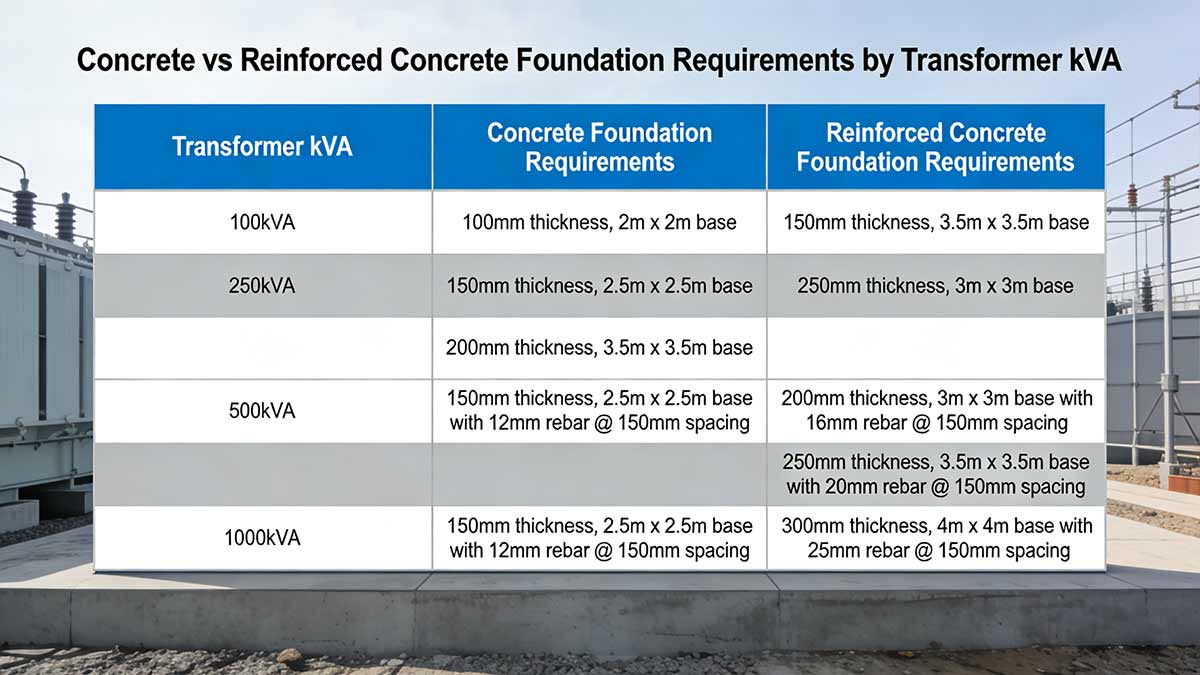
1. Choose the Right Foundation
Box type transformers are heavy, so they require a stable foundation to prevent shifting or damage. The foundation should be designed to support the weight of the transformer and withstand environmental conditions:
- Use a concrete foundation that is level and smooth. The foundation should be at least 10cm thick and extend 30cm beyond the transformer’s base on all sides.
- Ensure the foundation is properly cured before installing the transformer. Curing time typically takes 7–10 days, depending on the weather.
- For outdoor installations, add a layer of gravel or crushed stone under the foundation to improve drainage and prevent soil erosion.
Table: Foundation Requirements for Different Box Type Transformer Sizes
Transformer Size (kVA) | Foundation Thickness (cm) | Foundation Extension (cm) | Recommended Foundation Material |
|---|---|---|---|
50–200 | 10–15 | 30 | Concrete |
201–500 | 15–20 | 40 | Reinforced Concrete |
501–1000 | 20–25 | 50 | Reinforced Concrete |
2. Ensure Correct Wiring and Connections
Incorrect wiring is one of the most common causes of box type transformer failure. Poor connections can lead to overheating, voltage fluctuations, or short circuits. Follow these tips for proper wiring:
- Hire a qualified electrician to handle wiring and connections. Do not attempt to wire the transformer yourself unless you have the necessary expertise.
- Ensure all cables are the correct size and rating for the transformer’s voltage and load capacity. Using undersized cables can cause overheating.
- Tighten all connections securely to prevent loose contacts, which can create electric arcing. Check connections regularly for signs of corrosion or wear.
- Follow the manufacturer’s wiring diagram to ensure correct phase alignment. Incorrect phase wiring can damage the transformer and connected equipment.
3. Test the Transformer After Installation
Before putting the box type transformer into full operation, perform a series of tests to ensure it is working correctly. This helps identify any installation errors or defects early:
- Conduct a no-load test: Turn on the transformer without connecting any load and check the voltage output. It should match the manufacturer’s specifications.
- Perform a load test: Connect a small load to the transformer and monitor its performance. Check for overheating, unusual noises, or voltage fluctuations.
- Inspect for leaks: For oil-immersed box type transformers, check for oil leaks around the tank, seals, and connectors. Even small leaks can lead to serious issues over time.
Routine Maintenance for Box Type Transformer
Regular maintenance is essential to keep your box type transformer operating efficiently and extend its service life. Neglecting maintenance can lead to premature failure, costly repairs, and safety hazards. Below are key maintenance tasks to perform on a regular basis.
1. Clean the Transformer Regularly
Dust, dirt, and debris can accumulate on the transformer’s exterior and internal components, leading to overheating and reduced performance. Follow these cleaning tips:
- Use a soft brush or compressed air to remove dust from the transformer’s exterior, radiators, and vents. Do not use water, as it can cause short circuits.
- For oil-immersed box type transformers, clean the oil tank and radiators to remove dirt and debris that can block heat dissipation.
- Clean the transformer’s door and seals to ensure a tight fit. A dirty seal can allow moisture and dust to enter the unit.
Tip: Clean the transformer at least once every 3 months. For transformers in dusty or industrial areas, clean them more frequently (once a month).
2. Check Oil Quality (for Oil-Immersed Models)
Many box type transformers use oil for cooling and insulation. The quality of the oil directly impacts the transformer’s performance and lifespan. Regularly check the oil quality:
- Take oil samples every 6 months and send them to a laboratory for testing. The test will check for moisture, contamination, and degradation.
- Replace the oil if it is contaminated or degraded. Old or dirty oil can cause overheating and damage internal components.
- Check the oil level regularly. If the level is low, add the recommended type of oil to the correct level. Do not overfill the tank.
Example: A manufacturing plant neglected to check the oil quality of its box type transformer for over a year. When the transformer started overheating, an inspection revealed that the oil was heavily contaminated with dirt and moisture. Replacing the oil and cleaning the tank cost the plant $2,000, but it prevented a more costly transformer failure that would have shut down production.
3. Inspect Electrical Components
Regularly inspect the transformer’s electrical components to identify signs of wear, corrosion, or damage. This includes fuses, circuit breakers, cables, and connectors:
- Check fuses for signs of melting or damage. Replace any blown fuses with the correct rating.
- Inspect circuit breakers to ensure they are working correctly. Test the breakers periodically to ensure they trip when overloaded.
- Check cables and connectors for fraying, corrosion, or loose connections. Tighten loose connections and replace damaged cables.
Common Mistakes to Avoid When Using Box Type Transformer
Even with proper safety and maintenance, many users make common mistakes that compromise the performance and safety of their box type transformer. Avoiding these mistakes can save you time, money, and potential hazards.
1. Overloading the Transformer
One of the most common mistakes is overloading the box type transformer. Each transformer has a maximum load capacity (kVA), and exceeding this capacity can cause overheating, damage to internal components, and even fires:
- Calculate the total load of the equipment connected to the transformer before turning it on. Ensure the load does not exceed the transformer’s rated capacity.
- Avoid adding additional equipment to the transformer without checking if it can handle the extra load. If you need to increase the load, upgrade to a larger transformer.
- Monitor the transformer’s temperature during operation. If it feels excessively hot or emits a burning smell, turn it off immediately and check for overloading.
2. Ignoring Unusual Noises or Smells
Box type transformers should operate quietly, with only a slight hum. Unusual noises or smells are often signs of a problem and should never be ignored:
- A loud buzzing or humming noise may indicate overloading, loose connections, or damaged windings.
- A burning smell could mean overheating or a short circuit. Turn off the transformer immediately and contact a technician.
- Clicking or cracking noises may indicate issues with the circuit breaker or fuses.
3. Neglecting Environmental Protection
Box type transformers are designed to withstand outdoor conditions, but neglecting environmental protection can lead to premature failure. Common environmental mistakes include:
- Allowing snow, ice, or water to accumulate on the transformer. This can cause corrosion or short circuits.
- Installing the transformer near chemicals or corrosive materials can damage the tank and components.
- Leaving the transformer’s door open for extended periods exposes internal components to dust and moisture.
Troubleshooting Common Box Type Transformer Issues
Even with proper care, box type transformers may experience issues from time to time. Knowing how to troubleshoot common problems can help you resolve issues quickly and avoid costly downtime. Below are common issues and their solutions.
Issue 1: Transformer Overheats
Overheating is a common issue that can be caused by several factors. Here’s how to troubleshoot:
- Check if the transformer is overloaded. Reduce the load if necessary.
- Inspect the radiators and vents for blockages. Clean them if they are dirty.
- Check the oil level (for oil-immersed models). Add oil if the level is low.
- If the problem persists, contact a technician to check for damaged windings or insulation.
Issue 2: No Voltage Output
If the transformer is not producing voltage, follow these steps:
- Check the power supply to the transformer. Ensure the power switch is on and the fuse is not blown.
- Inspect the wiring and connections for loose or damaged cables.
- Test the transformer’s primary and secondary windings with a multimeter to check for continuity.
- If no continuity is found, the windings may be damaged, and the transformer may need to be repaired or replaced.
Issue 3: Oil Leaks (Oil-Immersed Models)
Oil leaks can cause serious damage to the transformer and the environment. Troubleshoot leaks as follows:
- Locate the source of the leak. Common leak points include the tank seams, seals, and connectors.
- Clean the area around the leak to remove any oil residue.
- Replace damaged seals or gaskets. Tighten loose connectors.
- If the tank is cracked, the transformer may need to be replaced.

Conclusion: Proper Use Ensures Long-Lasting Box Type Transformer Performance
Using a box type transformer correctly requires attention to safety, proper installation, routine maintenance, and avoiding common mistakes. By following the 12 key points outlined in this article, you can ensure your box type transformer operates safely, efficiently, and reliably for years to come. From choosing the right installation location to performing regular maintenance, every step plays a critical role in maximizing the transformer’s performance and lifespan.
Whether you’re using a box type transformer for residential, commercial, or industrial purposes, prioritizing proper use and maintenance will reduce downtime, lower costs, and minimize safety hazards. If you’re unsure about any aspect of using or maintaining your box type transformer, or if you need help selecting the right box type transformer for your needs, reach out to our team of experts for guidance and support.